
At first glance, The Statler Brothers were known for their harmonies, storytelling, and an impressive list of achievements — including five Grammy Awards and dozens of chart hits. Their music often balanced humor, nostalgia, and heartfelt reflection, creating songs that connected easily with listeners across generations.
Some of their most recognizable tracks, like Flowers on the Wall, brought a playful, offbeat charm, while Do You Remember These leaned into warm memories of a shared past — a time of jukeboxes, sock hops, and simpler routines.
But among their catalog, one song stood apart — not because it was louder or more commercially dominant, but because of the way it quietly stayed with people long after it ended. That song was Class of ’57.
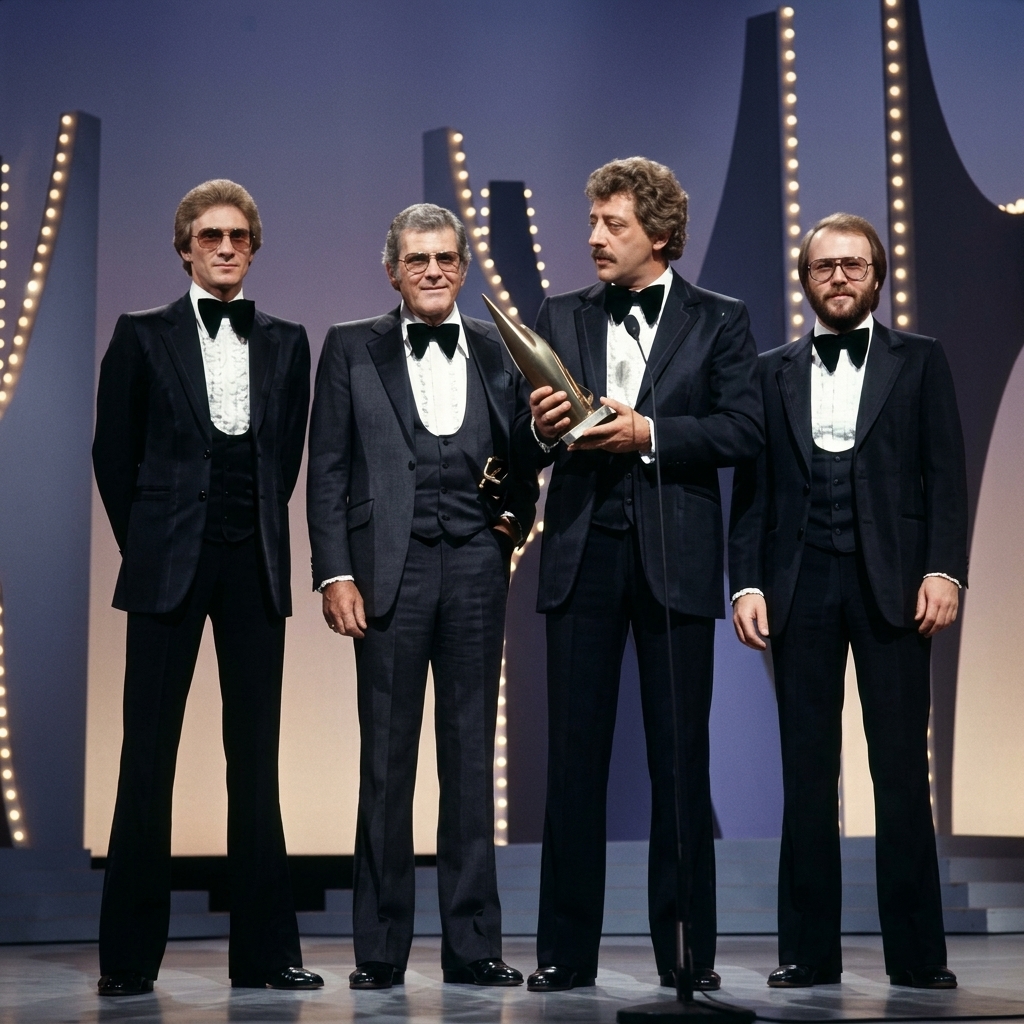
Released in 1972, it began with a familiar idea: a group of young people stepping out into the world, full of hope and expectation. The boys had ambitions, the girls imagined lasting happiness, and everything seemed open and possible. It was a story that countless listeners could recognize — the optimism of youth, the belief that life would unfold as planned.
But as the song continued, that optimism gave way to something more complex. One by one, the lives described in the lyrics began to shift. Dreams didn’t disappear all at once; instead, they slowly changed shape. Some were lost, others quietly set aside. The characters in the song grew older, facing realities that didn’t match what they had once imagined.
There was no dramatic twist, no single defining moment. Instead, the power of the song came from its honesty. It acknowledged something many people feel but rarely express — that time moves forward whether we’re ready or not, and that the distance between who we were and who we become can be both subtle and profound.
When “Class of ’57” first reached listeners, it performed well, climbing to number six on the country charts. But its true impact wasn’t immediate. At the time, younger audiences may have heard it as a reflective story about others — something distant, even abstract.
Years later, that changed. The same listeners who once related to the song’s opening lines found themselves identifying with its later verses. What had once been a narrative became a mirror. The song didn’t change — but the people listening to it did.
That shift is what gave “Class of ’57” its lasting significance. It wasn’t just a song about growing older; it was a song that seemed to grow older alongside its audience. Each revisit carried a different meaning, shaped by personal experience and the passage of time.
In a music landscape often focused on immediacy, The Statler Brothers created something enduring. They captured not just a moment, but a process — the gradual, often unspoken evolution of a life.
And that’s why, decades later, “Class of ’57” continues to resonate. It doesn’t just remind people of the past. It gently asks them to reflect on where that past has gone — and what it has become.