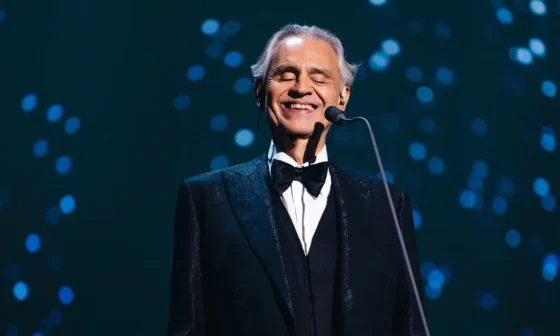
Long before sold-out arenas and international tours, before Il Volo became a global name, there was a quiet moment in a small home near Marsala, Sicily—one that would change everything for Ignazio Boschetto and his family.
He was just three years old.
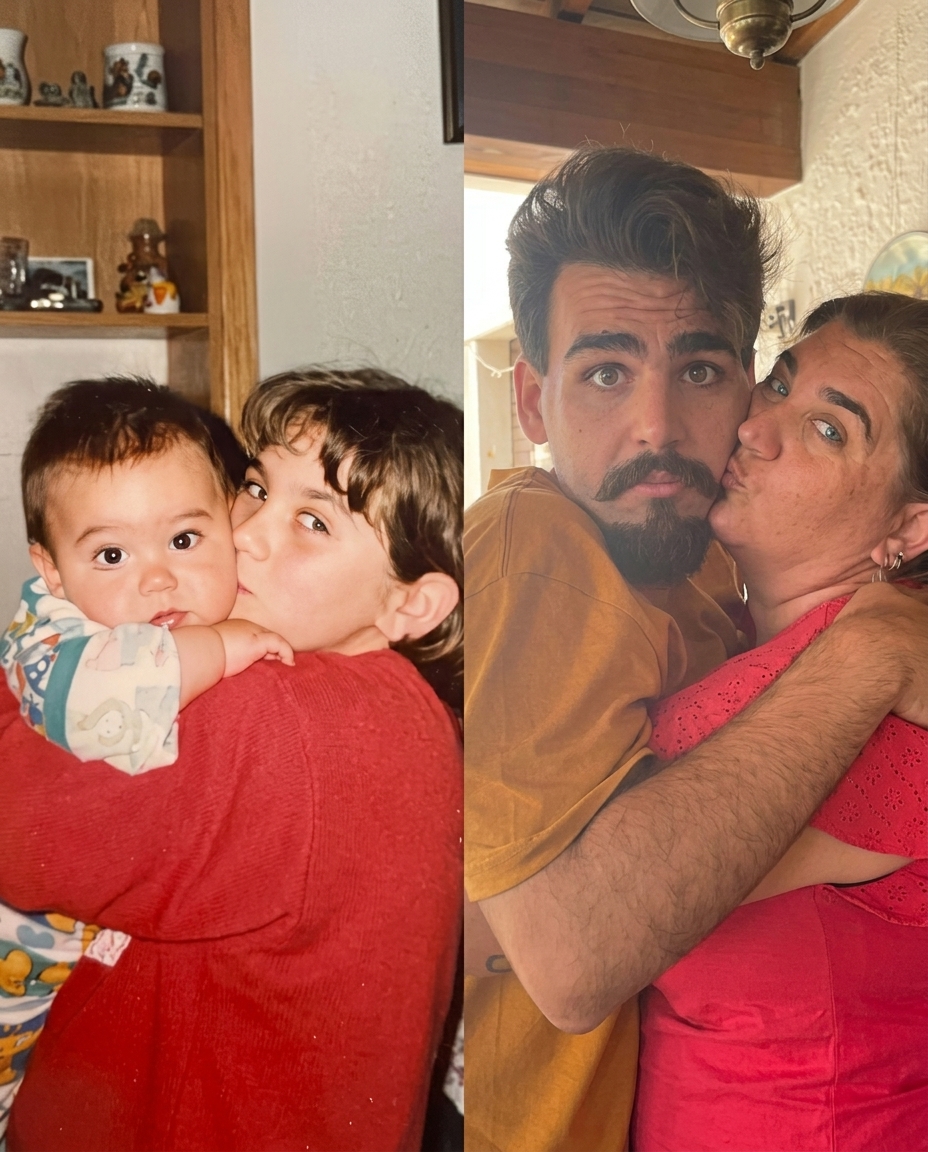
At that age, most children are still learning how to form sentences, exploring the world in fragments of sound and imagination. Music, if it appears at all, comes in the form of simple melodies or playful humming. But what Ignazio’s parents heard that day was something entirely different.
As they walked down the hallway, they noticed a sound coming from his room. It wasn’t noise or chatter—it was structured, controlled, and unmistakably musical. They stopped, listening more closely, trying to understand what they were hearing.
It was an aria by Giuseppe Verdi.
Not imitated. Not approximated. Sung.
Inside the room, their toddler stood alone, delivering the piece with clarity and surprising precision. There had been no formal lessons, no recordings played on repeat, no deliberate exposure that could explain it. The moment seemed to exist outside of logic—a natural expression of something already fully formed.
They didn’t rush in. They didn’t interrupt.
Instead, they stood still, almost afraid that opening the door might break whatever was unfolding. It was a quiet recognition, one that didn’t require words. In that hallway, they understood something profound: their son had a gift.
And from that point on, their role shifted. They couldn’t create what they had just witnessed, but they could protect it.
As Ignazio grew older, that early spark didn’t fade—it strengthened. By the time he reached his early teens, his voice had already begun to attract attention beyond his hometown. At 14, he stepped onto national television, introducing a wider audience to a talent that had first revealed itself behind a closed door.
Two years later, at just 16, he was signed to a major American label as part of what would become Il Volo. Alongside Piero Barone and Gianluca Ginoble, he helped shape a sound that blended classical technique with contemporary appeal—bringing operatic pop to audiences across the world.
By 20, they were performing in arenas across multiple continents.
From the outside, it might look like a rapid rise, a story of talent meeting opportunity at the right time. But for Ignazio’s parents, the journey always traced back to something simpler and more mysterious.
That hallway.
That moment of stillness.
That realization that their child possessed something rare—something that couldn’t be taught, only nurtured.
Even as the stages grew larger and the audiences louder, that memory remained unchanged. It wasn’t about fame or recognition. It was about the first time they heard their son’s voice not as a child’s experiment, but as something fully alive.
And perhaps that’s what makes the story endure.
Because before the world heard him, before the lights and applause, there was just a small room, a closed door, and a voice that no one had yet explained—but no one could ever forget.