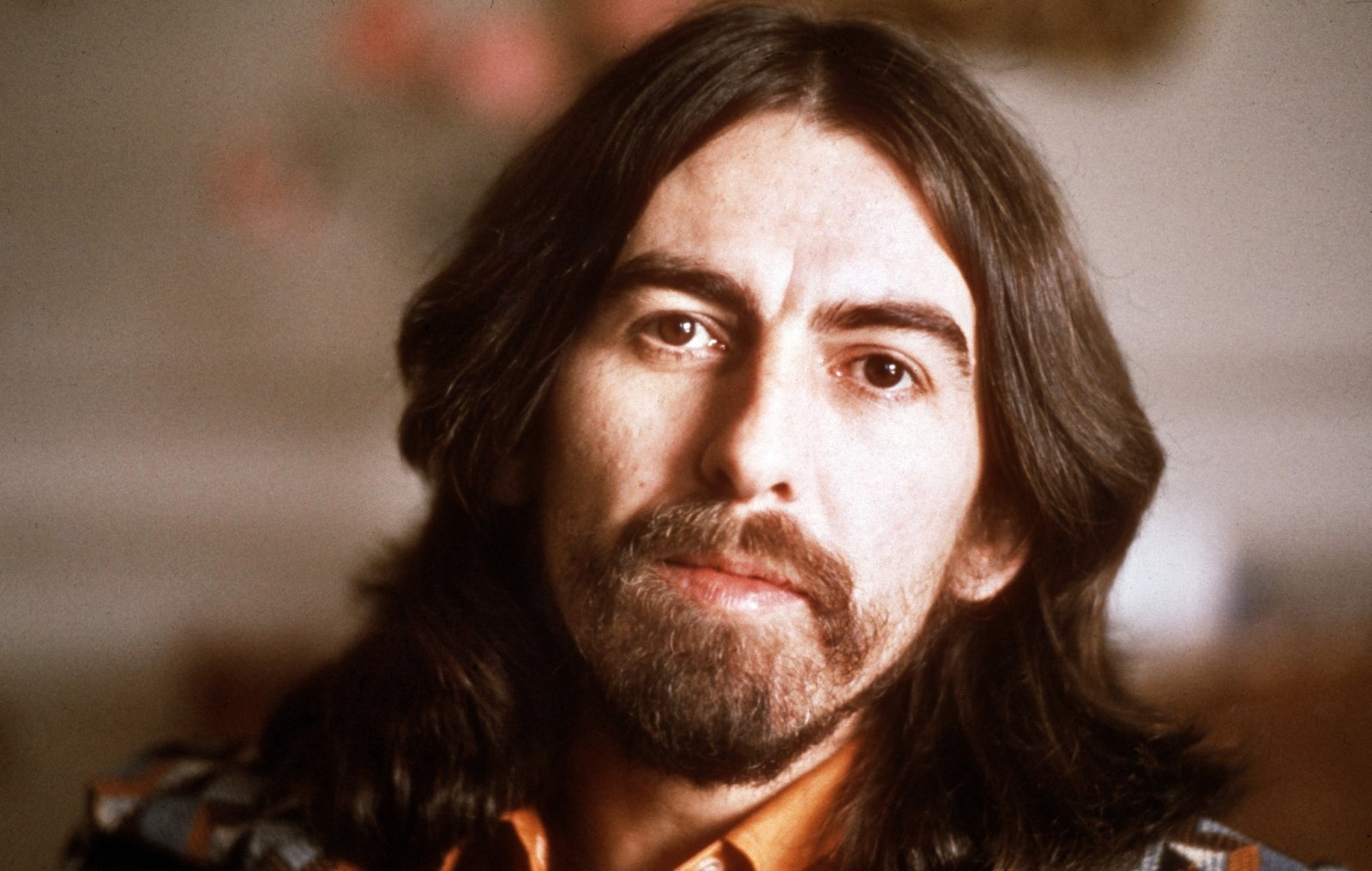
In the midst of the Get Back sessions, tensions within [“musical_artist”,”The Beatles”,”band”] had reached a boiling point. For George Harrison, the pressure of creative clashes, endless rehearsals, and lingering personal frustrations finally became too much. One day, after rehearsing until lunch, he simply walked away. In his diary, he captured the moment with a single, brutally honest line: “Rehearsed until lunch… then I left The Beatles.”
That brief departure—just five days—was enough for George to channel the emotion he had long held inside. Out of that short break came “Wah Wah”, a song that fans and critics alike recognize as one of his most unflinching commentaries on life within the band. Unlike some artists who retreat from frustration, George used it as fuel, translating years of quiet irritation into searing lyrics and guitar riffs that feel like an emotional release.

The brilliance of “Wah Wah” lies in its authenticity. Every chord, every lyric, reflects tension that isn’t performative but deeply personal. The song isn’t merely a vent; it’s a moment frozen in music—a documentation of a man finally asserting his voice in a band dominated by towering personalities. Where John and Paul often held the spotlight, George found a way to articulate his own perspective, raw and unfiltered.
Yet it’s the simplicity of that diary entry that continues to haunt and resonate with fans. Just one line, and it reveals the emotional tipping point that led to one of his sharpest creative statements. It’s a reminder that sometimes the most striking revelations come not in elaborate explanations, but in honesty so plain it cuts through everything else.

“Wah Wah” stands as more than a song about frustration—it’s a testament to George Harrison’s ability to transform personal tension into art. It marked a turning point in his journey, both within The Beatles and as an individual artist, showing the world that even in moments of anger, there is the possibility for beauty, expression, and a voice that will not be ignored.