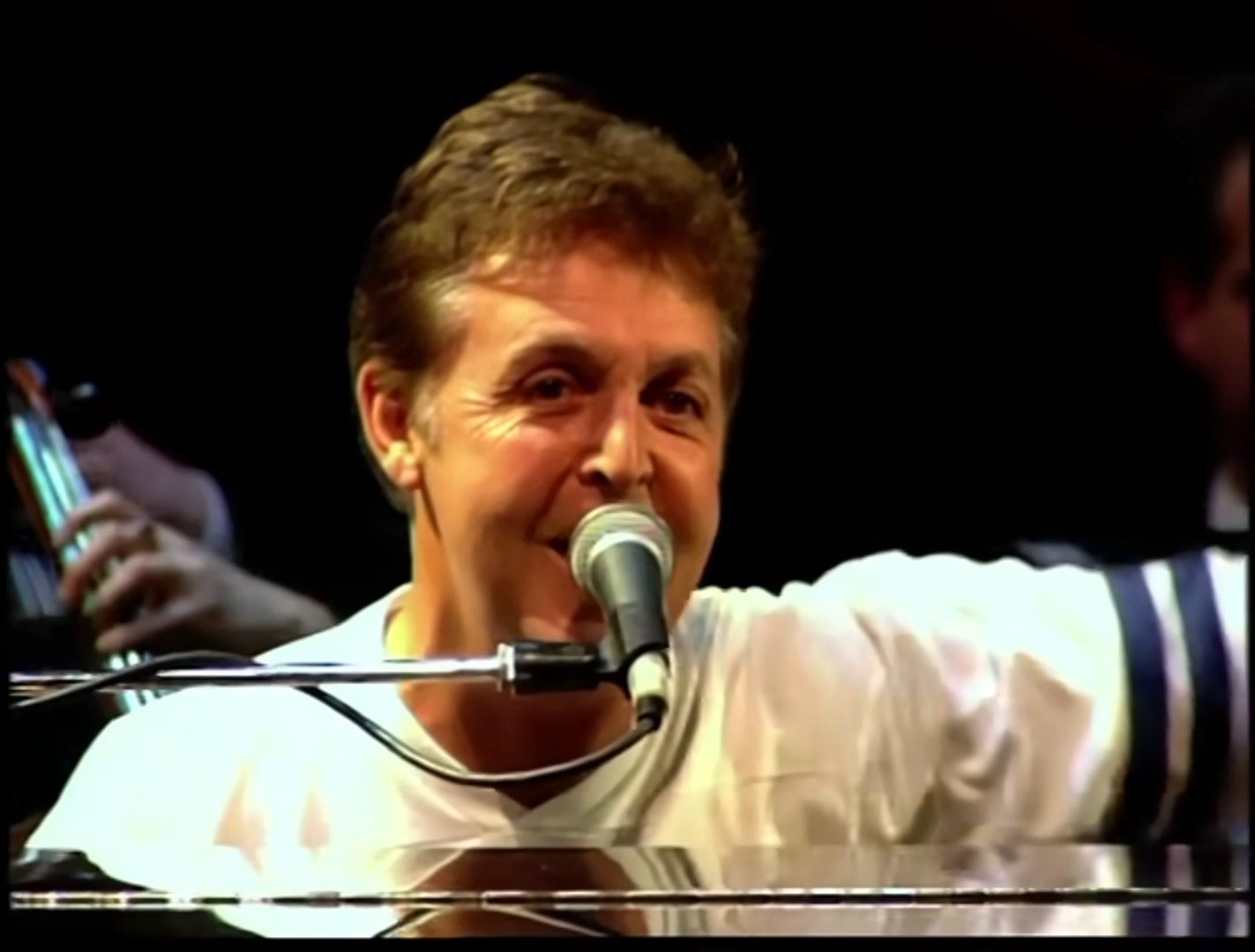
For generations of fans, Paul McCartney has represented something deeply personal. His music—whether from his days with The Beatles or his solo career—has long carried a sense of familiarity, warmth, and connection to everyday life. Songs about love, struggle, and simple moments helped build a bond that felt accessible to millions.
But as McCartney’s latest tour travels across major cities, the conversation around it is shifting. While the performances themselves continue to draw praise, it’s the cost of attending that has quietly become a focal point. With some ticket prices climbing into the thousands, a growing number of fans are questioning what it now means to experience his music live.
For many longtime listeners, this isn’t just about affordability—it’s about perception. McCartney has often been seen as an artist whose work transcends barriers, someone whose songs spoke to people from all walks of life. That image hasn’t necessarily changed, but the reality of attending a concert seems to have.

Online discussions reflect a wide range of perspectives. Some fans argue that the scale of modern tours makes higher prices almost unavoidable. Massive production costs, global travel, stage design, and the expectations of a world-class show all contribute to the final ticket price. In that sense, McCartney’s tour is part of a broader industry trend rather than an isolated case.
Others, however, see it differently. They feel that when prices reach a certain level, the experience becomes exclusive by default. What was once a shared cultural moment—thousands of people coming together over songs that defined generations—now risks becoming limited to those who can afford the premium.
This tension isn’t unique to McCartney, but his legacy makes the conversation feel more personal. His music has always carried a sense of closeness, a feeling that it belongs to everyone. That’s what makes the contrast stand out. When the cost of entry rises, it challenges that sense of shared ownership.
There’s also a generational layer to the discussion. Many of the fans who grew up with The Beatles remember a different era of live music—one where concerts, while still special, felt more within reach. Today’s landscape, shaped by digital demand, resale markets, and large-scale productions, has changed those expectations.
Still, not all reactions are critical. Some fans see attending a McCartney concert as a rare, once-in-a-lifetime experience—something worth saving for, even at a higher price. For them, it’s less about accessibility and more about the opportunity to witness a living legend perform songs that have shaped music history.
At its core, the debate goes beyond one artist or one tour. It reflects a larger question about the evolving nature of live music itself. As concerts become bigger, more immersive, and more expensive, they also become more selective in who gets to be part of them.#

And that’s where the conversation circles back to McCartney—not just as a performer, but as a symbol. His music still resonates the way it always has. The melodies haven’t changed. The meaning behind them hasn’t faded.
But the experience of being there, in the crowd, singing along in real time—that’s what feels different now.
In the end, the discussion isn’t about denying his impact or questioning his legacy. It’s about reconciling two truths that exist side by side: the enduring universality of his music, and the growing exclusivity of experiencing it live.