Some music doesn’t fade—it lingers, echoing across generations, waiting to be rediscovered in new voices. That was the feeling inside Rome’s legendary Forum Studios when Il Volo stepped into a space forever tied to Ennio Morricone.
Morricone, who passed away in 2020, left behind a body of work that shaped cinema itself. With more than 500 film scores to his name, his compositions weren’t just background music—they were emotional landscapes. From sweeping Westerns to haunting dramas, his melodies carried stories long after the screen went dark.
And it was in that very place—where Morricone once conducted his own orchestra—that Il Volo chose to honor him.
The setting mattered. Forum Studios wasn’t just another recording space; it was part of Morricone’s creative world. The walls had absorbed decades of music, of rehearsals, of moments where ideas turned into timeless sound. Returning there wasn’t simply symbolic—it was deeply personal.
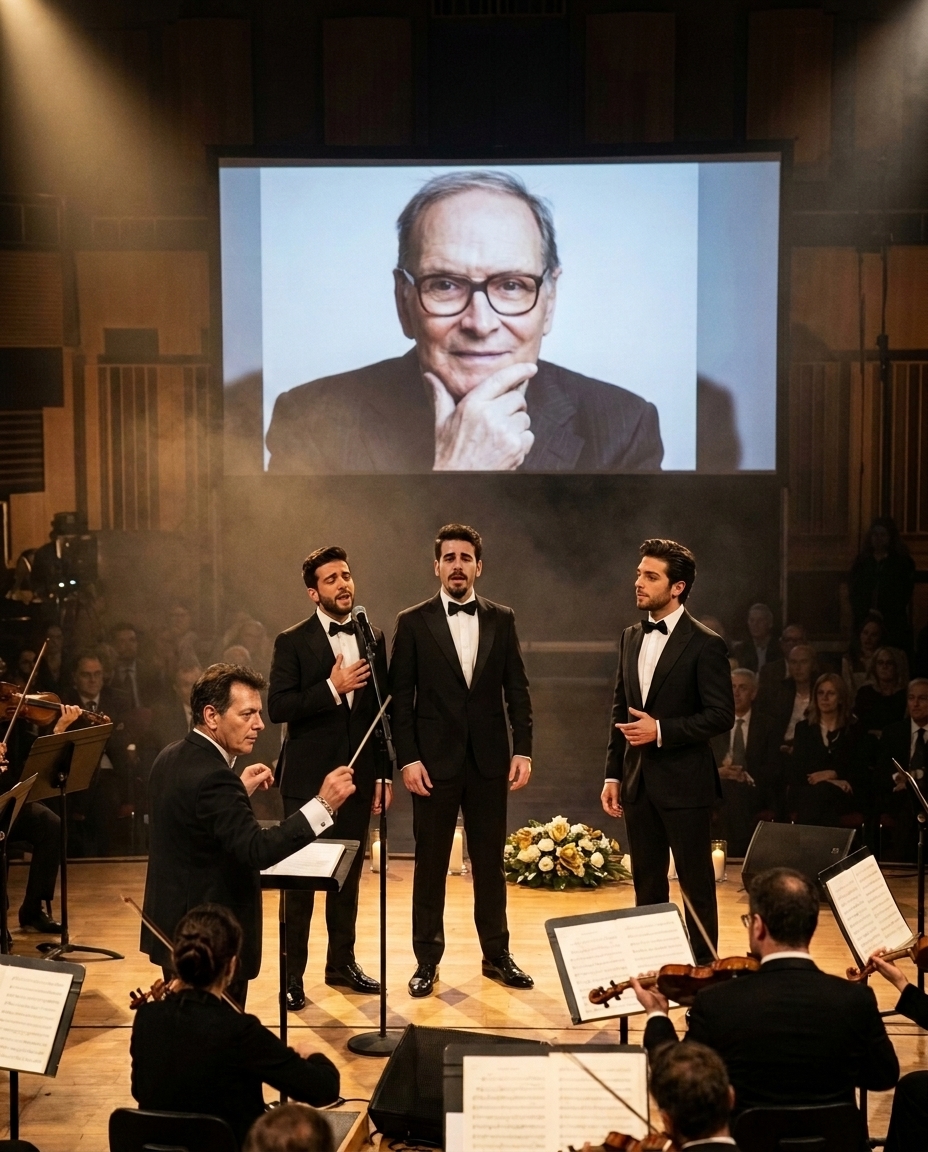
As the performance began, there was no grand announcement. Just a quiet sense of purpose.
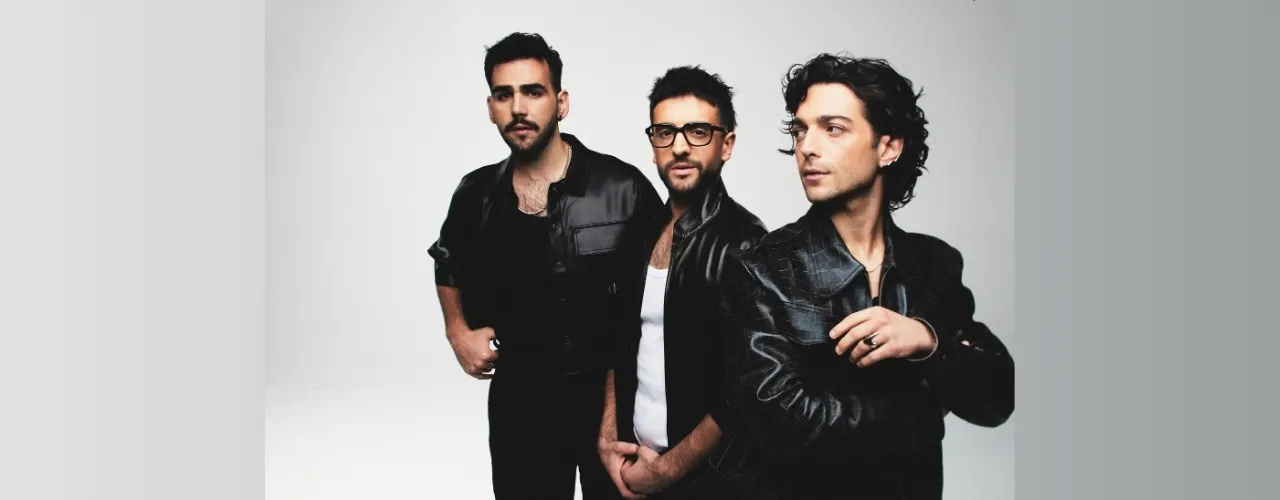
Piero Barone opened with the first note of “Nella Fantasia,” his voice steady and controlled. Then came Ignazio Boschetto, adding depth and warmth. Finally, Gianluca Ginoble joined, completing the harmony. Three distinct voices, blending into something singular.
It’s a balance Il Volo has refined over the years, but in that moment, it felt different. The song itself—built on Morricone’s unmistakable melodic style—seemed to take on new life. Each note carried both precision and emotion, as though the singers understood the weight of what they were performing.
Behind them stood the Roma Sinfonietta Orchestra, an ensemble closely tied to Morricone’s legacy. Their presence added another layer of authenticity, connecting past and present in real time. At points, the music felt so still, so carefully held, that it almost seemed to pause between breaths.
Conducting was Andrea Morricone, the Maestro’s son. For him, this wasn’t just another performance—it was personal history unfolding in front of him. As the music progressed, emotion became visible. His gestures remained precise, but his expression revealed something deeper: pride, memory, and perhaps a quiet sense of loss.
What made the moment truly unforgettable wasn’t just the performance itself—it was how it ended.
There was no immediate applause. No rush of noise to fill the space. Instead, there was silence.
Not the kind that signals uncertainty, but the kind that feels intentional. A shared pause, as if everyone present understood that clapping would break something fragile. It was a moment of collective respect—for the composer, for the music, and for what had just been created.
In that silence, Morricone’s legacy felt present. Not as nostalgia, but as something alive, carried forward through new voices and new interpretations.
Il Volo didn’t try to replicate the past. They didn’t need to. By bringing their own sound into Morricone’s world, they created something that honored the original while allowing it to breathe again.
For those who witnessed it, the performance wasn’t just a tribute. It was a reminder of what music can do at its best—connect generations, preserve emotion, and say what words alone cannot.
And for a few minutes in that studio, it felt as though 500 melodies found a heartbeat once more.