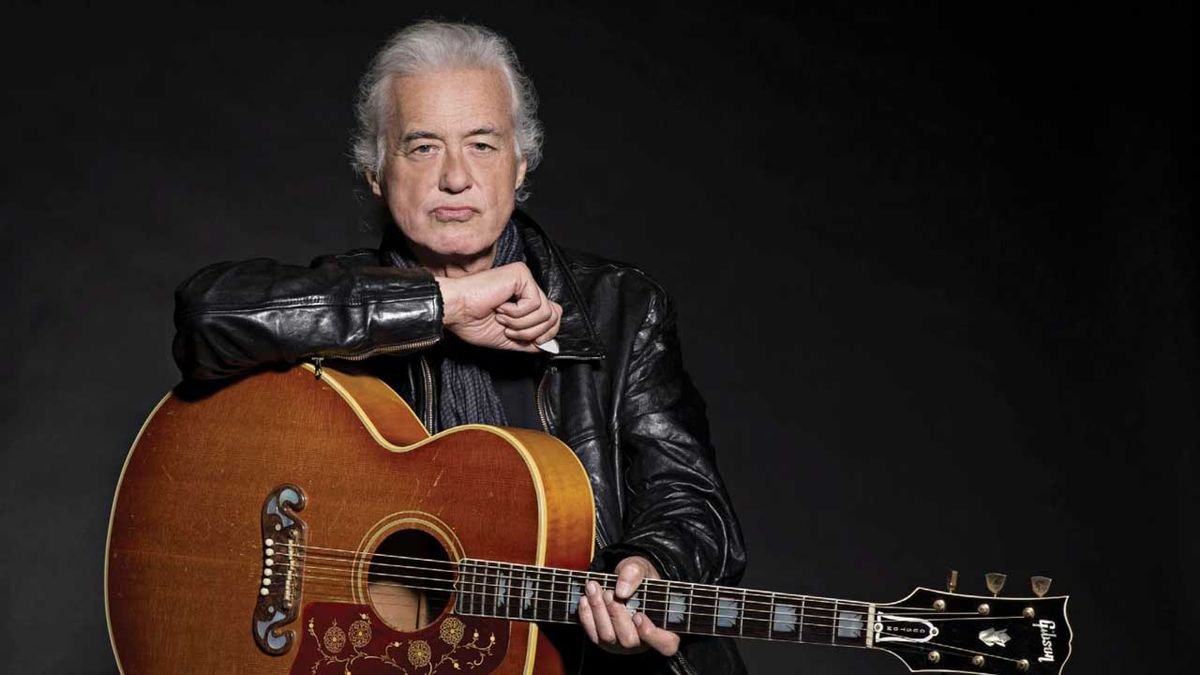
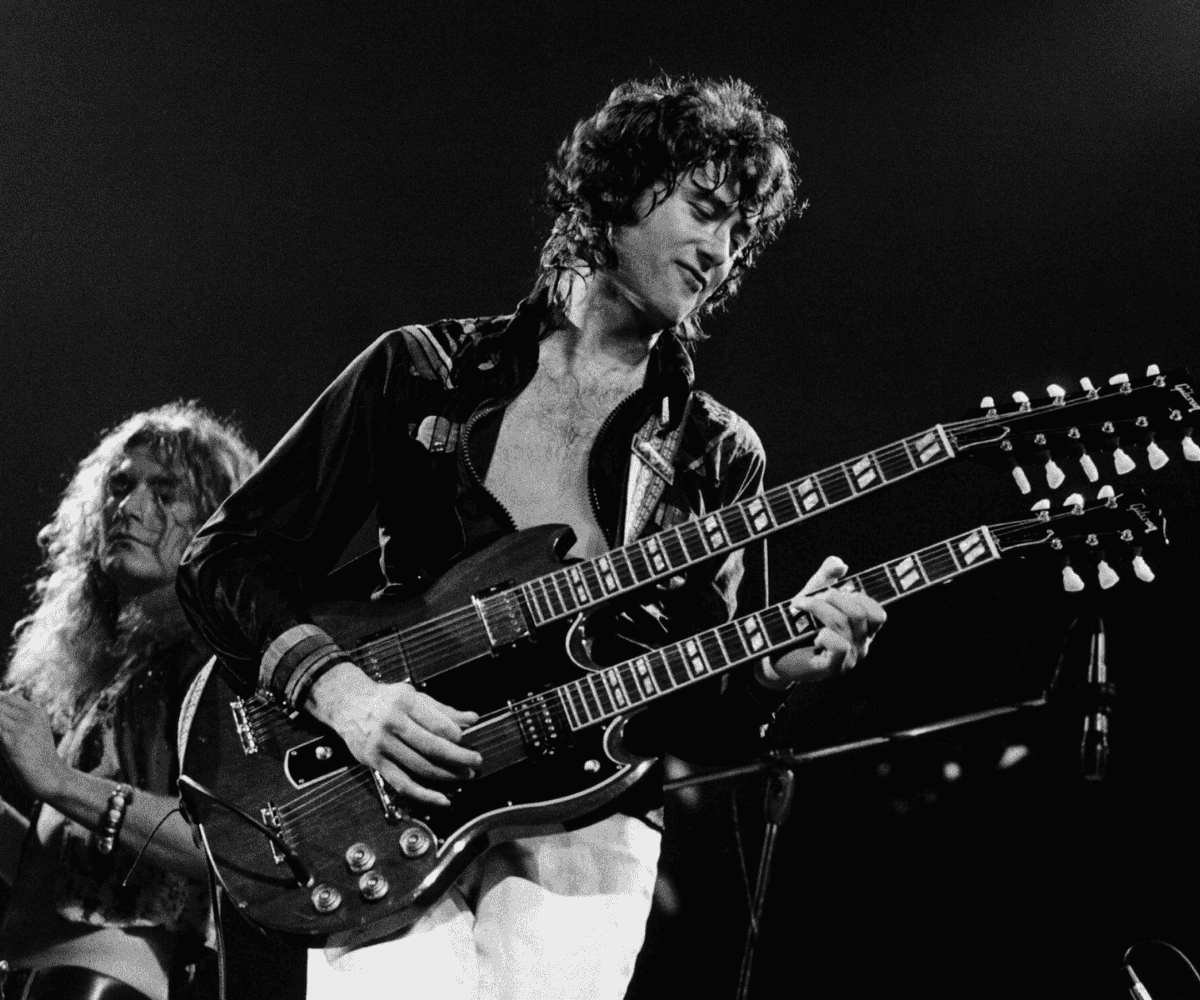
From the start, Led Zeppelin was always Jimmy Page’s creation. While the band may have operated like a democracy on the surface, Page’s vision was the guiding force behind everything they recorded. Nothing made it onto a Zeppelin record without his signature touch, especially when it came to production. Whether they were on tour or in the studio, Page rarely stepped away from the helm.
In truth, if it were up to him, Led Zeppelin would likely still be making records today. Page had a seemingly endless supply of riffs, and as long as John Bonham was behind the drums, the band was unstoppable. But when Bonham tragically passed away after In Through the Out Door, it was clear the magic couldn’t be replicated. Replacing Bonham wasn’t just difficult—it was impossible.
Yet the end of Zeppelin opened unexpected doors for Page. Free from the massive weight of leading one of the greatest rock bands in history, he could finally collaborate with artists he’d long admired. One such figure was Paul Rodgers, leading to the formation of The Firm. It was a new chapter, but one that still carried the unmistakable Page energy—complete with violin bow guitar solos and thunderous riffs.
Still, during Zeppelin’s prime, Page rarely entertained outside collaborations. With one notable exception.
That exception was Roy Harper. Known for his uncompromising style and poetic songwriting, Harper had already made a subtle appearance in the Zeppelin universe—Page had given him the spotlight on Led Zeppelin III’s closing track “Hats Off to (Roy) Harper.” But their friendship went deeper than a simple nod of respect. When Harper was working on his 1971 album Stormcock, Page broke one of his cardinal rules and stepped out of the Zeppelin bubble to contribute.
As Page recalled:
“The only deviation from that was my playing with Roy Harper on Stormcock. He and I were playing the two acoustics, and that was really cool. I really admired Roy’s work and still do… that was the only area really where I stepped out of Led Zeppelin, because if I wasn’t on the road I was writing for the next album.”
It was a rare move, but one that gave fans a different look at what Page could do outside the Zeppelin framework. Stormcock featured intricate acoustic interplay, giving off a kind of mystical, folk-tinged atmosphere that echoed the acoustic moments from Led Zeppelin III. It felt like a glimpse into a parallel version of Zeppelin—one rooted more in English folk than heavy blues.
Even after Zeppelin, Page’s collaborations remained selective. His loyalty to the band—and to the sound he had crafted—kept him grounded. But when he did break form, like with Harper or later with Rodgers, it wasn’t just about experimentation. It was about connecting with artists who spoke the same musical language.
If anything, Page’s work on Stormcock reminds us that even a rock titan like him occasionally needed to step outside his own shadow—to trade the thunder for the whisper, and to show us just how wide his creative range could be.