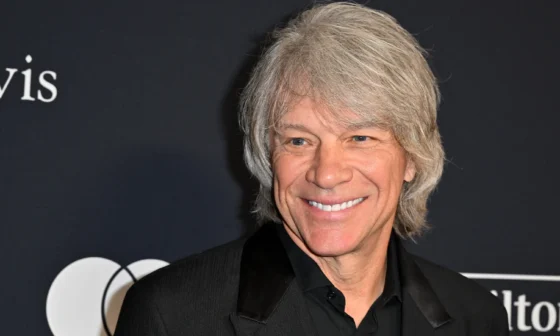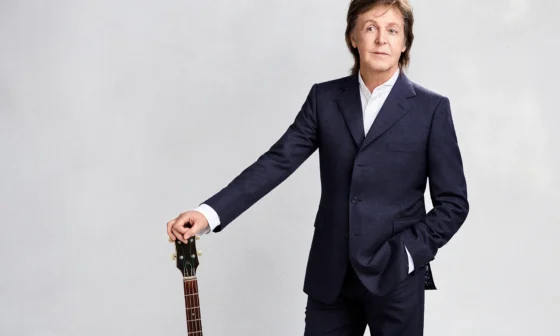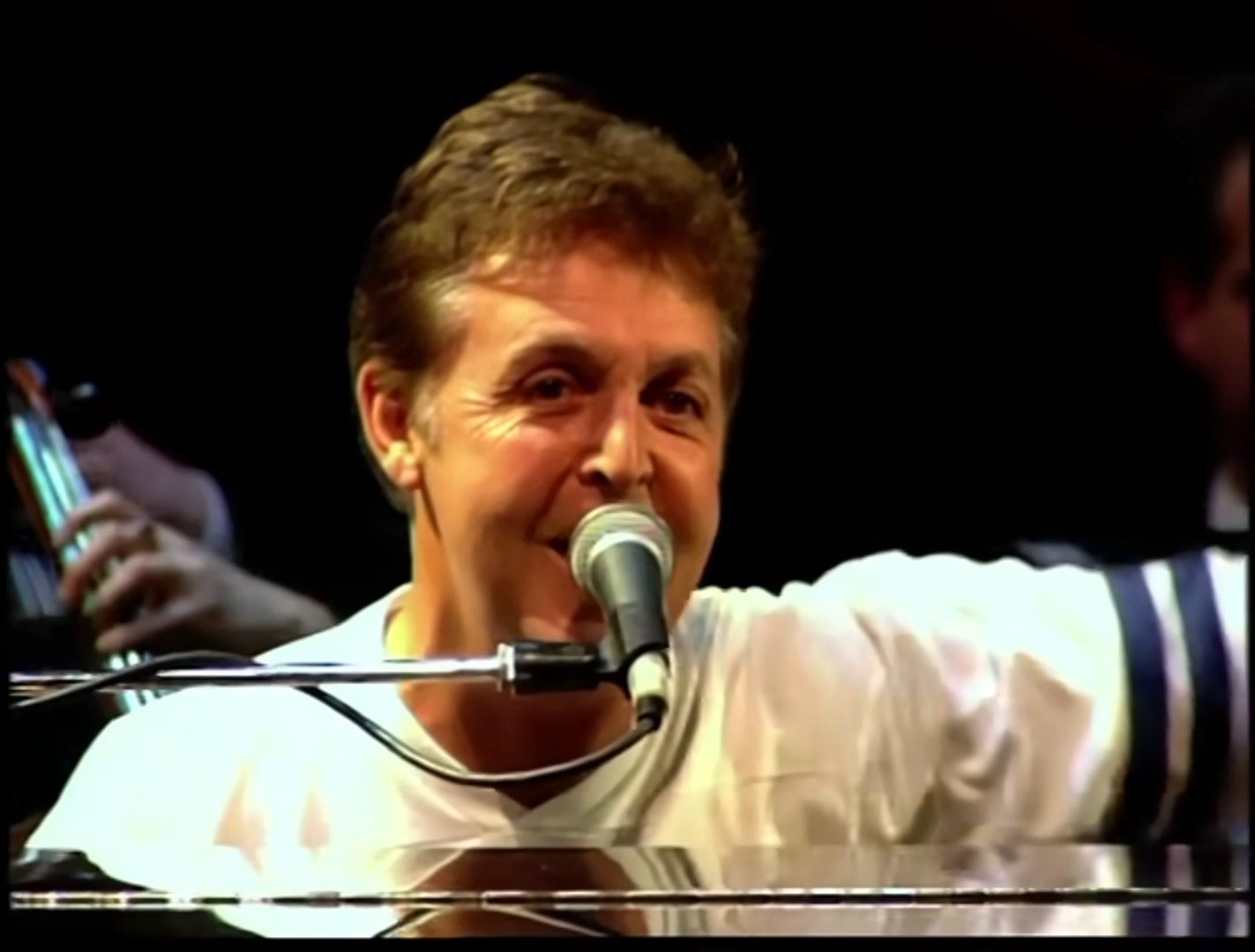
When it comes to icons like Paul McCartney, even the smallest unexpected moment can spark widespread concern. Recently, social media posts began circulating with alarming claims that the former Beatle had faltered mid-performance in Liverpool, triggering panic among fans and prompting intervention from Ringo Starr.
The story quickly gained traction. Emotional language, urgent headlines, and calls to “watch the full video” encouraged people to share the claim without verification. For many fans, the idea of McCartney—one of the most enduring figures in music history—facing a serious health crisis was difficult to ignore.
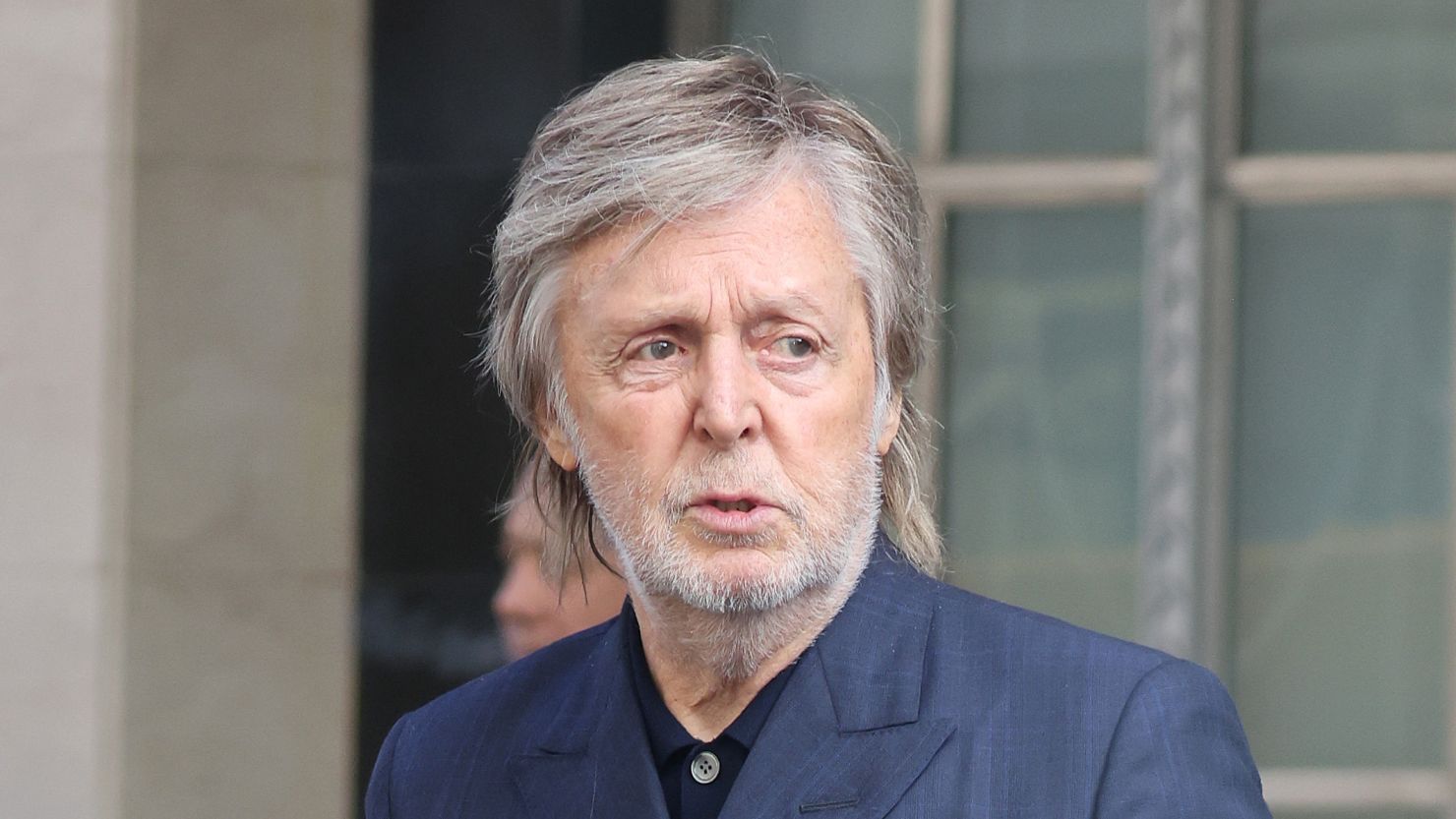
However, as of now, there are no verified reports from reputable news sources confirming such an incident. No official statements, no confirmed footage from credible outlets, and no reliable updates indicating a medical emergency have been released. This strongly suggests the story has been exaggerated or entirely fabricated.
This kind of situation highlights a growing pattern in online media. Posts are often designed to create urgency and emotional reaction—using phrases like “panic swept through,” “urgent update,” or “heartbreaking news.” These tactics are effective because they tap into genuine concern, especially when they involve well-loved public figures.

In McCartney’s case, that concern is understandable. His career, spanning from The Beatles to his decades as a solo artist, has made him a deeply respected and admired presence across generations. Fans feel a personal connection to his music and legacy, which makes any hint of trouble feel significant.
The mention of Ringo Starr in these rumors adds another emotional layer. As bandmates and longtime friends, their connection carries historical weight. The idea of Starr rushing to McCartney’s side reinforces a sense of urgency and nostalgia—but again, there is no confirmed evidence that such an event took place.
It’s important to approach stories like this with caution. In the absence of confirmation from trusted sources, sharing or reacting to such claims can unintentionally spread misinformation. A good rule of thumb is to look for coverage from established news organizations or official statements before accepting a story as true.

That doesn’t mean dismissing concern altogether. It simply means grounding that concern in verified information. As of now, there is no indication that Paul McCartney is experiencing a sudden or severe health crisis tied to this viral claim.
Moments like this ultimately say as much about audiences as they do about the subject. The rapid spread of the rumor reflects how much people care—and how quickly they respond when they fear something may be wrong.
For now, the most reliable takeaway is simple: there is no confirmed emergency, and fans can take a step back from the alarm while staying attentive to any verified updates that may emerge.
In an age of instant information, sometimes the most important response is to pause—and make sure what we’re hearing is real.