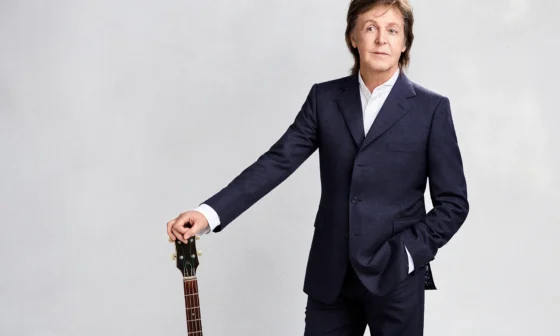
For generations of music fans, the idea felt distant—almost unthinkable. A world where Paul McCartney no longer tours.
Now, that possibility is beginning to take shape.

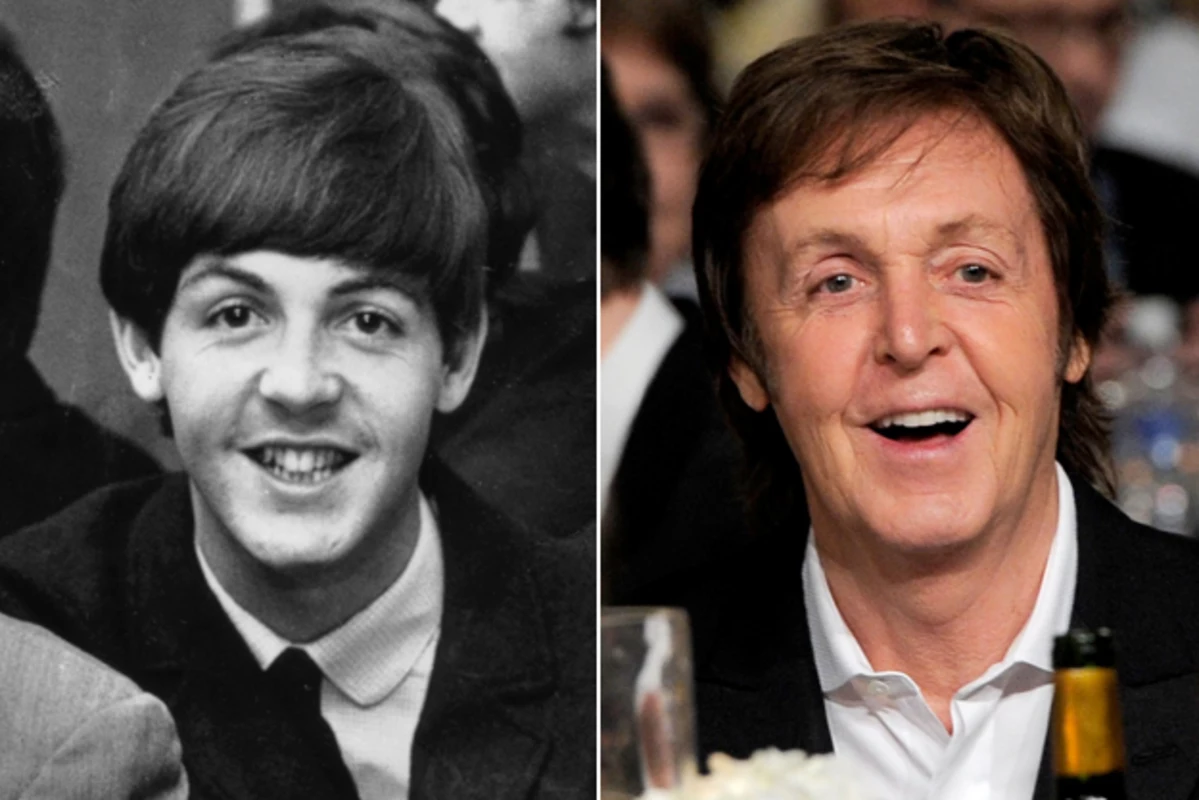
After more than six decades of performing, writing, and redefining what popular music can be, McCartney has indicated that his planned 2026 world tour could be his last. It’s the kind of announcement that lands softly at first, then settles in with quiet weight. Not because it signals an end to music, but because it marks the closing of a remarkable era on stage.
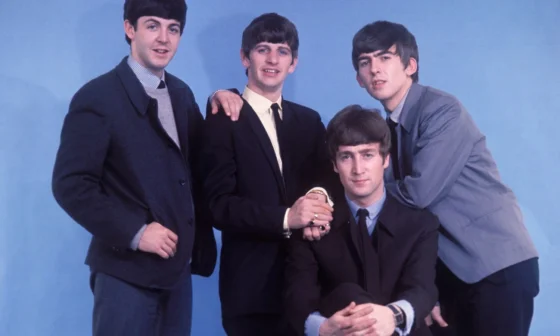
To understand why this matters so deeply, you have to go back to where it all began—with The Beatles. In the 1960s, their songs didn’t just top charts; they reshaped culture. Melodies became movements, lyrics became shared language, and McCartney stood at the center of it all, crafting music that still resonates decades later.
Yet his story didn’t stop there.
After the band’s breakup, he stepped into uncertainty and built something new, eventually forming Wings and continuing to evolve as an artist. Over the years, his solo career expanded into something vast and varied—crossing genres, generations, and continents. Through it all, one thing remained constant: the connection between McCartney and his audience.

That connection is what makes this final tour feel less like an ending and more like a shared moment of reflection.
The setlists are expected to span his entire career, moving effortlessly between eras. A single concert might carry the crowd from the singalong warmth of Hey Jude to the quiet reflection of Let It Be, reminding listeners not just of the songs themselves, but of the lives they’ve lived alongside them.

Because McCartney’s music has never existed in isolation. It’s been part of weddings, road trips, late nights, and personal milestones for millions of people. To attend one of these shows isn’t just to hear music—it’s to revisit memories.
That’s why this tour carries a different emotional weight.
It’s not framed as a farewell in the traditional sense. McCartney has been clear that music itself isn’t something he’s leaving behind. Writing, recording, and creating remain part of who he is. But touring—the physical act of traveling the world, stepping onto massive stages night after night—is something even legends eventually step away from.
And so, this becomes something rare: a chance to witness a living legacy in real time.
There’s also a sense of gratitude woven into the announcement. When McCartney says, “This tour is for the fans,” it doesn’t feel like a standard line. It feels earned. After decades of shared history, the relationship between artist and audience has become something deeper than performance—it’s a dialogue that has lasted a lifetime.

As 2026 approaches, tickets will sell, arenas will fill, and the familiar opening chords will ring out once more. But beneath the excitement, there will be an awareness that these moments are finite.
That doesn’t make them sad. If anything, it makes them more vivid.
Because this tour isn’t about saying goodbye to the music. The songs will continue, passed down, rediscovered, and reimagined by future generations.
What it does mark is the final chapter of something uniquely human: one man, a stage, and a lifetime of songs shared with the world.
And when the last note fades, it won’t feel like silence.
It will feel like everything that came before it—still echoing, still alive, still playing on.