On January 30, 2026, the U.S. Justice Department released 3.5 million pages of records connected to Jeffrey Epstein under a Transparency Act signed into law by former President Donald Trump. At first glance, the release was hailed as a historic moment of openness — the public finally gaining access to decades of documents surrounding one of the most notorious figures in recent history.
But the celebration was short-lived. Investigators and journalists quickly noticed a concerning detail: dozens of pages, some of which reportedly contained references to the sitting President, had been withheld. NPR’s investigation suggested that over 50 pages of FBI interview records were removed, including testimony from a woman alleging sexual abuse by Trump.
The revelations ignited political firestorms. Democratic members of the House Oversight Committee described the withholding as potentially criminal, while the White House defended the decision, stating that Trump “has done more for Epstein’s victims than anyone before.” Meanwhile, the international scope of the fallout became apparent. Former British ambassador Peter Mandelson was reportedly arrested, former Norwegian Prime Minister Thorbjørn Jagland faced corruption charges, and U.S. Commerce Secretary Howard Lutnick disclosed visiting Epstein’s island in 2012.

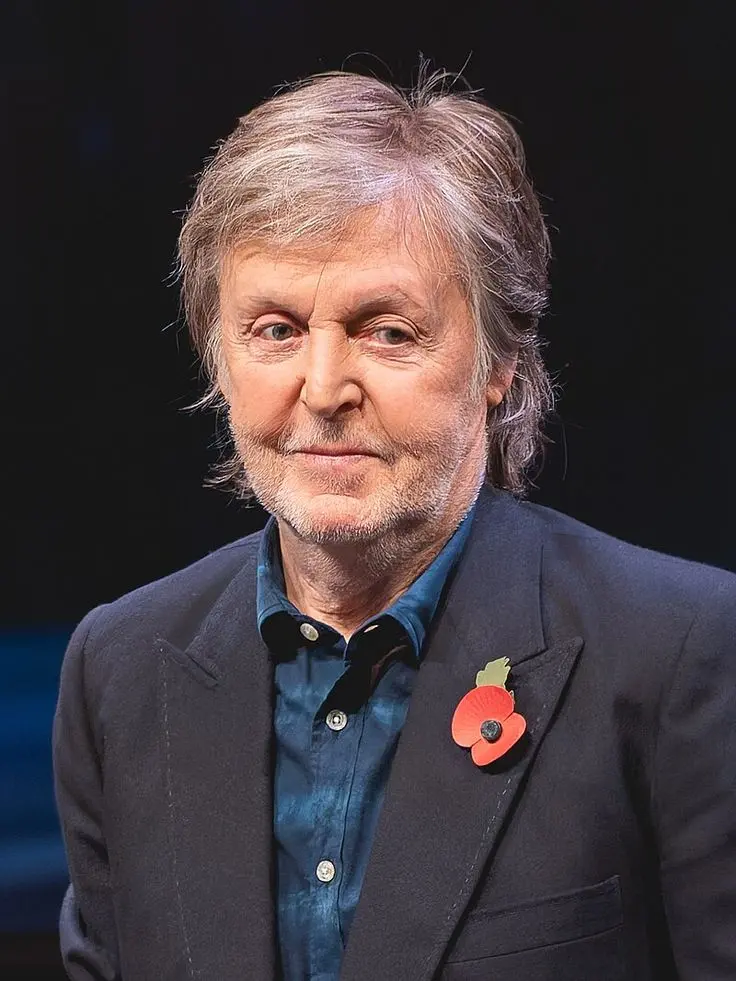
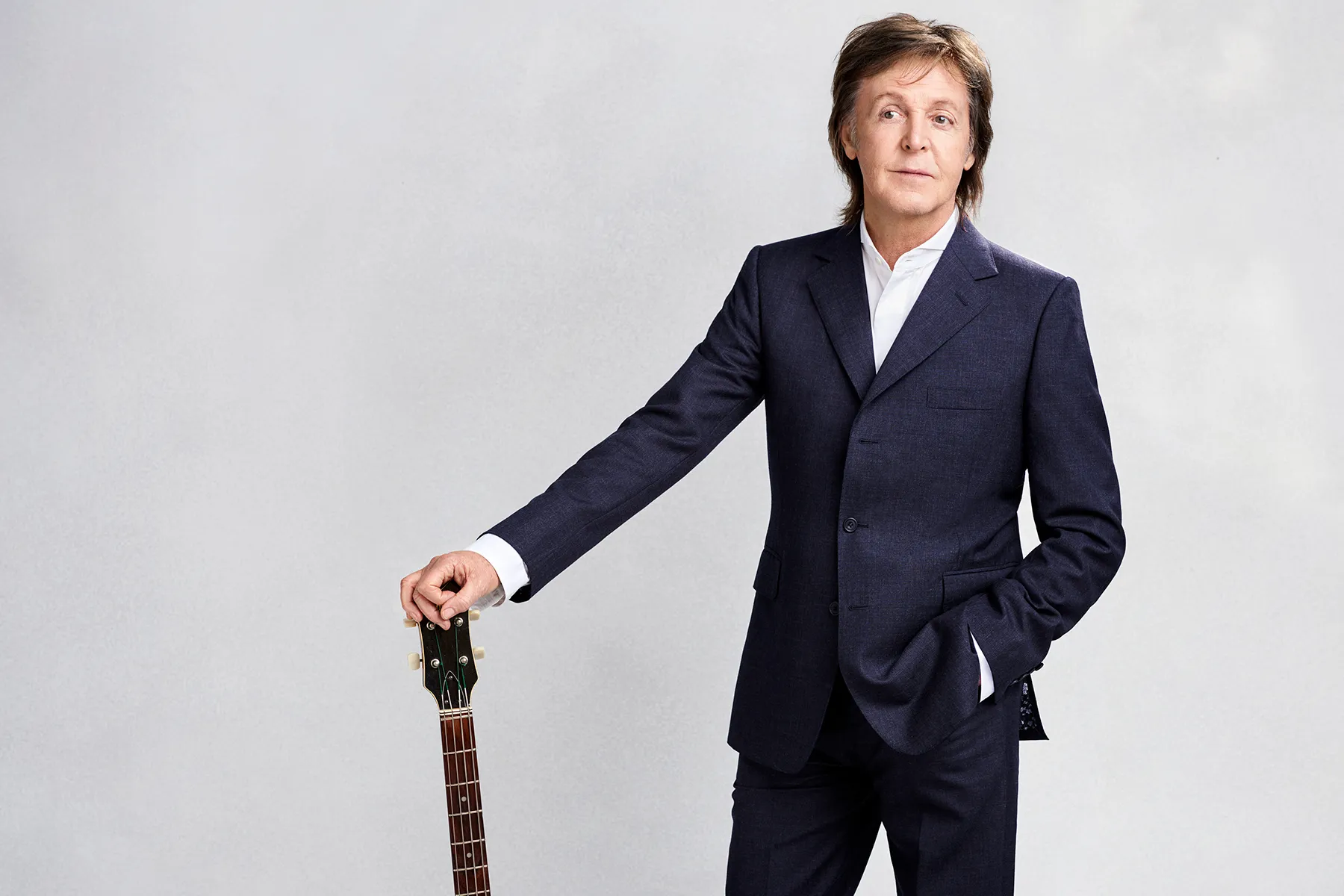
Adding an unexpected voice to the call for transparency, music icon Paul McCartney publicly stated in a recent interview that the American people “deserve to know the whole truth.” McCartney’s involvement has amplified public attention, highlighting how cultural figures can influence political discourse.
The central question now resonates on social media, in political offices, and across international news outlets: If 3.5 million pages were released, why were some withheld? Who decided to remove them? And what crucial information might still be hidden from the public eye?
Legal experts and transparency advocates argue that withholding pages that reference high-profile figures undermines the spirit of the law and raises questions about accountability. Critics warn that incomplete disclosures could erode trust in governmental institutions, while supporters of the release argue that public knowledge outweighs potential political fallout.
Even beyond the United States, the release has sent ripples around the globe. High-profile arrests and charges in the UK and Norway underscore the international dimensions of Epstein’s network and the long-lasting impact of the scandal.
For many, the situation highlights a stark reality: transparency promises little if key details remain obscured. With Paul McCartney, an internationally respected figure, publicly urging full disclosure, the pressure on authorities has intensified.
As the controversy continues, one thing is clear: the demand for complete transparency is growing louder. Citizens, investigators, and now cultural icons are asking the same question — release everything, leave no page hidden, and let the public see the full story, no matter how politically explosive it may be.