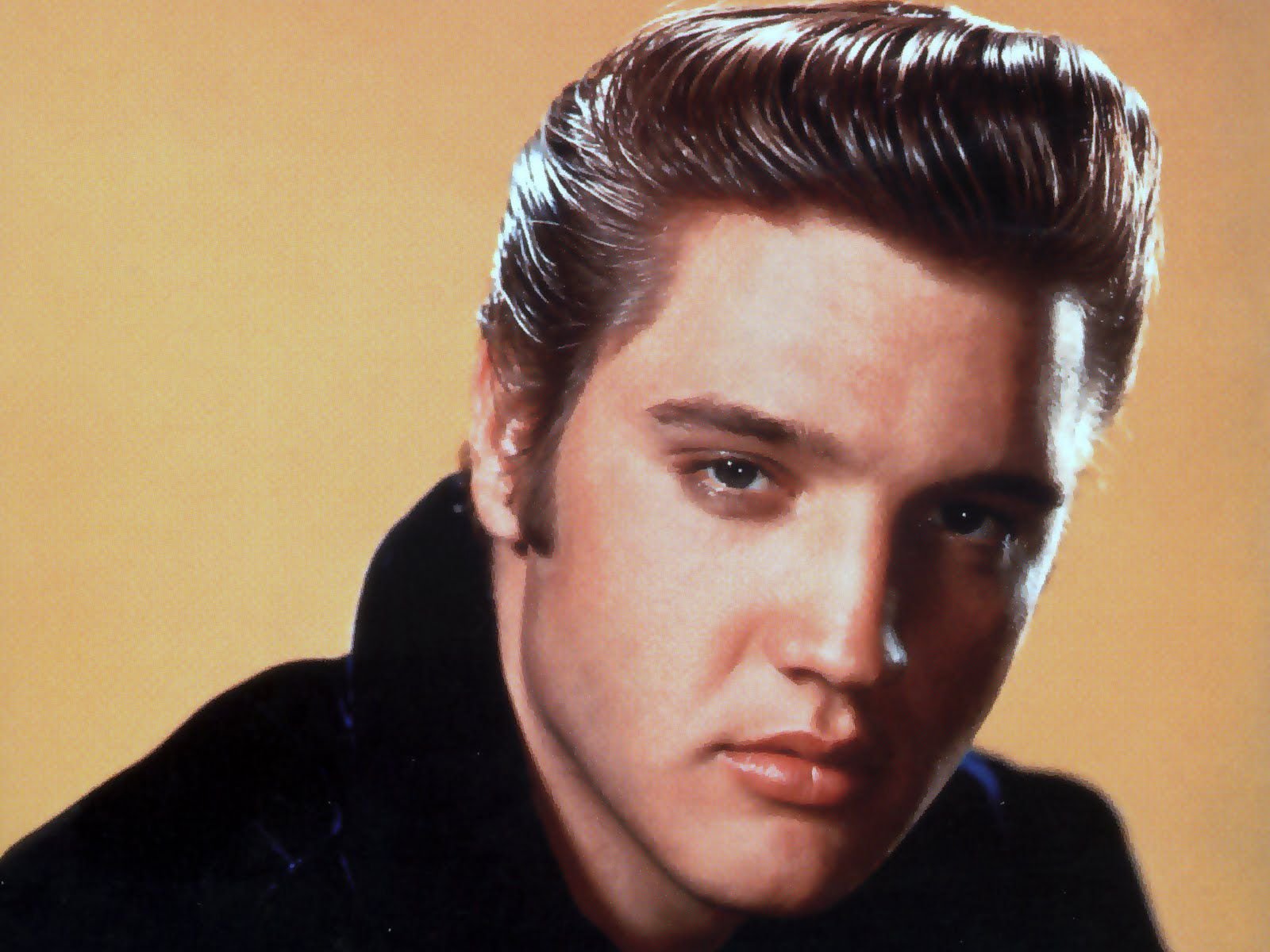
In 2026, movie theaters around the world will welcome a cinematic event unlike anything audiences have ever seen: EPiC: ELVIS PRESLEY IN CONCERT, a groundbreaking film from visionary director
Baz Luhrmann. More than just a concert movie, EPiC is a resurrection — a once-in-a-generation chance to witness Elvis Presley exactly as he was on stage: electric, magnetic, fearless, and utterly alive.
For decades, fans have dreamed of experiencing the power of Elvis in concert as if they were truly there. Now, for the first time, that dream becomes reality. EPiC is built from
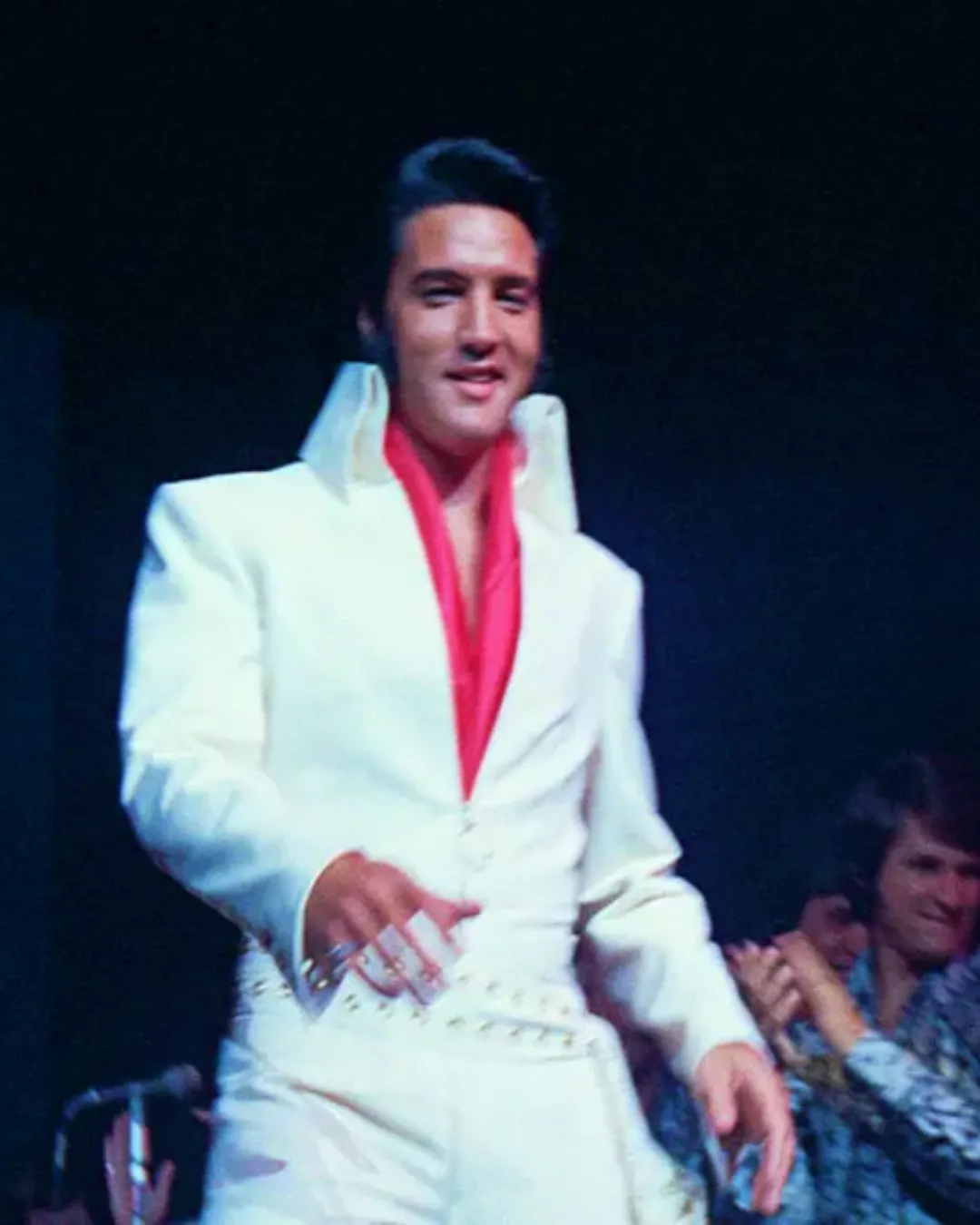
rare, rediscovered, and meticulously restored footage — much of it never before seen by the public. Combined with state-of-the-art audio restoration and Luhrmann’s signature cinematic flair, the film transports viewers back in time to stand inches away from the King during his most iconic live performances.
This isn’t an impersonation.
This isn’t a recreation.
This is Elvis — the real Elvis — restored to the glory he deserves.
A Vision 50 Years in the Making
Baz Luhrmann’s journey with Elvis began long before his 2022 biopic. For years, he spoke about wanting to capture the
feeling of seeing Elvis live — that shock, that awe, that rush of adrenaline that fans in the 1950s, ’60s, and ’70s described as life-changing.
EPiC is the fulfillment of that mission.
The project began when archivists uncovered reels of forgotten footage buried deep inside vaults — raw concert recordings, rehearsal clips, and stage moments that had never been transferred, cleaned, or digitized. Many were fragile, decaying, or mislabeled. But once restored, they revealed a version of Elvis the world had never quite seen: spontaneous, explosive, intimate, human.
Luhrmann recognized what this could mean for Elvis’ legacy.
Not another documentary.
Not a reenactment.
But a genuine cinematic time-travel experience.
With EPiC, he invites audiences to witness the King not as a memory, but as a presence.
Rediscovered Footage: Elvis Like We’ve Never Seen Him
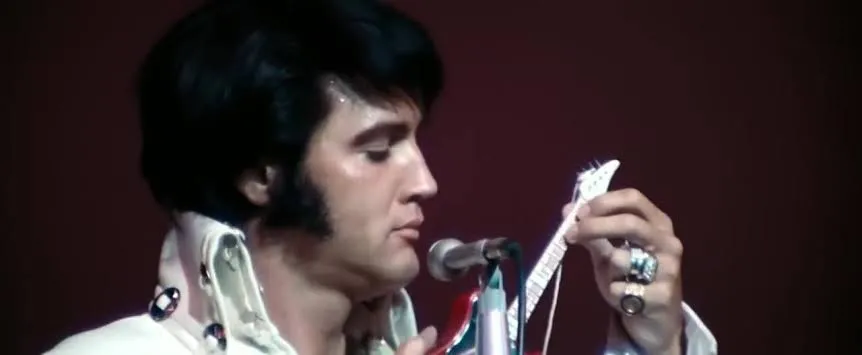
One of the most extraordinary aspects of EPiC is the footage itself. Fans can expect scenes from some of Elvis’ most legendary performances:
The 1970 “That’s the Way It Is” Rehearsals
Restored with astonishing clarity, these clips show Elvis relaxed, playful, and improvisational. His voice bursts with power, and his humor shines through as he jokes with the band and molds each song into its perfect shape.
The 1968 Comeback Special
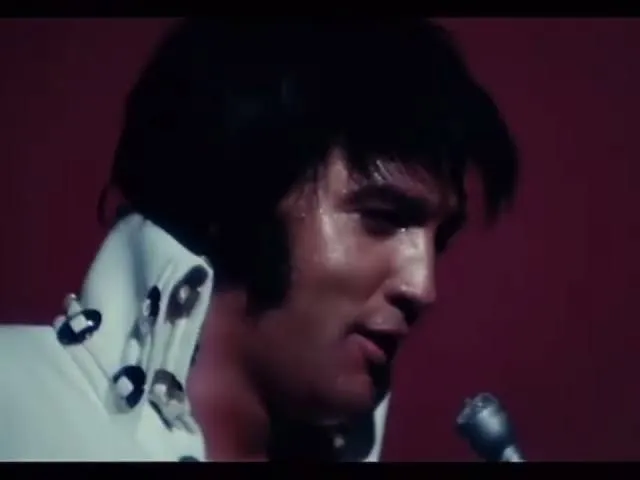
Already iconic, these performances have now been enhanced with modern restoration tools that reveal color, texture, and emotion previously hidden. Elvis’ eyes burn with determination; his smile radiates confidence; the black leather suit shines like new.
The 1972 Madison Square Garden Performances
Long believed to be too damaged for modern release, the recovered footage shows Elvis at the peak of his stage dominance — lean, powerful, commanding a stadium like a general commanding an army.
Never-Before-Seen Moments
For the first time, audiences will witness candid backstage interactions, warm-ups, and quiet human moments that show Elvis not as a legend, but as a man preparing to give every ounce of energy to the people who loved him.
This is not just archival footage — it is Elvis restored at a level that honors his music, his presence, and his spirit.
A Cinematic Experience Crafted for the Big Screen
Baz Luhrmann approaches EPiC with the same passion and artistic boldness that defined Moulin Rouge!, The Great Gatsby, and Elvis (2022). But this time, his subject is not portrayed by an actor. It is the real man himself.
The restoration team used advanced techniques to clean scratches, revive faded colors, rebuild lost frames, and enhance sharpness without altering authenticity.
The audio engineers remastered Elvis’ vocals from original multi-track tapes, bringing out details — breaths, shouts, growls, whispers — that were previously buried. The sound feels immediate, powerful, and truly live.
The film blends concert sequences with immersive sound design to recreate the feeling of sitting in the tenth row at a 1970s Elvis show.
When Elvis hits the first note, it doesn’t feel like you’re watching history.
It feels like you’re there.

Why EPiC Matters Now
Nearly 50 years after his passing, Elvis remains one of the most influential performers in modern music. But younger generations know him mostly through clips, tributes, and impersonations — reflections of the original.
EPiC is a chance to reintroduce him as he truly was:
-
A master of the stage
-
A revolutionary performer
-
A man of emotion, humor, and humanity
-
A voice that could shake arenas
-
An artist who gave everything, every night
The film serves both longtime fans who want to relive the magic and new audiences experiencing it for the first time. It restores not only Elvis’ image but his impact.
This isn’t nostalgia.
This is revelation.
A Love Letter to the Fans — And to Elvis Himself
Perhaps the most touching aspect of EPiC is the care taken to honor Elvis’ spirit. Luhrmann has said the film is a tribute not only to Elvis but to everyone who ever felt changed by his music — the people who fainted at his early concerts, the soldiers who played his records overseas, the families who gathered around television sets during the Comeback Special, and the millions who still feel his presence today.
EPiC celebrates:
-
his generosity,
-
his vulnerability,
-
his fire,
-
and the joy he brought to the world.
It reminds us why Elvis mattered, and why he still does.
Conclusion: The King Lives Again
When EPiC: ELVIS PRESLEY IN CONCERT arrives in theaters in 2026, it will be more than a film release — it will be a cultural event. A resurrection. A once-in-a-lifetime chance to see Elvis Presley not through memory, myth, or reenactment, but through undeniable presence.
The King is stepping back onto the stage.
The spotlight is glowing.
The crowd is roaring.
And for a few precious hours, in theaters around the world, Elvis Presley will live again.
The Priceless Gift: A Moment That Revealed the True Heart of Elvis Presley
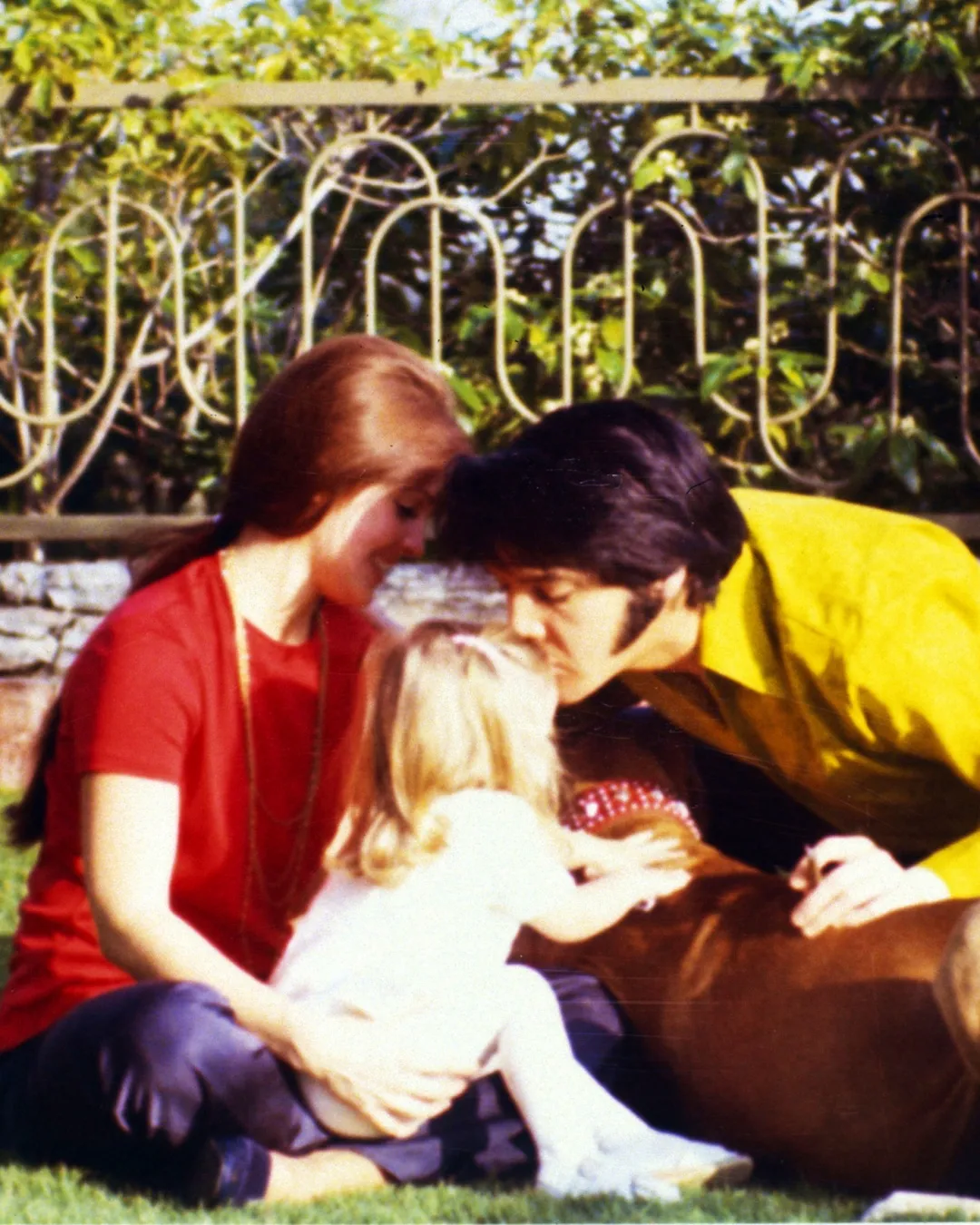
In late 1971, long after fame had wrapped itself tightly around his life, a quiet moment unfolded inside the halls of Graceland — a moment so simple, yet so profound, that it revealed the very soul of Elvis Presley. Little Lisa Marie, barely old enough to speak in full sentences, was pushing her tiny baby buggy down the hallway when someone casually asked Elvis a question:
“What are you going to give her for her birthday?”
Elvis stopped. His expression softened, his voice dropped to a deep sincerity far removed from the glitz of show business.
“She’s all we have,” he said gently. “She is our most prized possession.”
It wasn’t diamonds that mattered to him.
Not fame.
Not mansions.
Not even the empire he had built from pure talent and hard work.
What mattered was love.
What mattered was family.
What mattered was legacy — the kind that lives in the heart, not in the bank.
“Money is not important — it is fleeting.”
Later that evening, Elvis spoke more openly about what he wished for his daughter.
“I want Lisa to know what the important things in life are,” he said.
“Money is not important — it is fleeting. All of this…” he gestured around the mansion, the trophies, the gifts, the chandeliers —
“…all this is just vanity.”
This wasn’t something he said for an audience or a camera. It was a truth carved from lived experience. Elvis had known poverty, real poverty — the kind that bruises the spirit and shapes a child’s mind forever. No matter how wealthy he became, he never forgot where he came from.
He often reminisced about Tupelo, the small Southern town where his story began — where the roots of his humility were planted. He remembered the image of their old car with a trunk strapped to the roof as the family drove to Memphis, chasing a better life. He remembered his mother’s cooking, the warmth of a small home filled with love, faith, and hope. And he remembered the hymn “Precious Memories”, sung softly at her funeral — a moment that shattered him, yet remained a permanent thread in the tapestry of his soul.
These memories were his compass. They taught him kindness, simplicity, humility, and gratitude. And more than anything, he wanted Lisa Marie to inherit those same values.

A Gift Beyond Riches — The Poem of 1976
By 1976, just a year before his passing, Elvis felt an urgency to pass something meaningful to his daughter — something she could carry long after he was gone.
He turned to Janelle McComb, a family friend, artist, and poet.
He asked her to create something timeless.
Something heartfelt.
Something that would give Lisa Marie guidance he feared he might never get the chance to give in person.

Janelle listened carefully, then asked:
“In other words… you want to give her the priceless gift?”
Elvis nodded.
“That’s right. And be sure to sign it ‘Daddy’.”
It wasn’t the diamonds he could afford.
It wasn’t the luxury cars parked outside.
It wasn’t even the royalty checks that flooded in month after month.
Elvis wanted something far greater — a message of love and values that no one could buy or replace.
Janelle wrote the poem. And when she returned to Graceland with it, the reaction was immediate and overwhelming. Elvis took the poem into his hands, and his eyes filled with tears. It was exactly what he had wanted — an emotional legacy he could leave his child.
He rushed upstairs to hide Lisa’s copy among her birthday gifts, and when he finally returned, his face was wet, his voice unsteady. In trying to wipe away his tears as he signed the poem, his signature had smeared.

“Oh, Mrs. McComb,” he said quietly, with almost childlike distress,
“I’ve ruined your copy.”
But she smiled softly — the way someone smiles when they see something much deeper than what is on the surface.
“No, Elvis,” she told him. “One day, those teardrops will be just as priceless as this poem is to you.”
And she was right.
Because in those smudged lines was evidence of something the world rarely saw: the vulnerability and tenderness of a father who loved with his whole heart.

A Father Before a King
The world knew Elvis Presley as a superstar, an icon, a man who electrified stages and transformed music forever. But Lisa Marie knew him simply as Daddy — the man who played on the floor with her, who tucked her into bed, who tried desperately to shield her from the chaos of fame.
For all his success and all the noise that surrounded him, his greatest fear was that Lisa might grow up without understanding the values that shaped him. He wanted her to hold onto what was truly important:
Love.
Kindness.
Faith.
Humility.
The knowledge that the greatest treasures in life cannot be bought.
The poem — stained with his tears — became one of the most precious gifts he ever gave. Not because it was rare or beautiful, but because it came from a place deeper than music, deeper than fame, deeper even than his own legend.

A Legacy Written in Love
When Elvis passed away in 1977, Lisa Marie was only nine years old. She lost her father far too soon. But what he left behind for her was greater than the Graceland estate or the royalties or the global fame attached to her last name.
He left her his heart.
He left her his love.
He left her the wisdom of a boy from Tupelo who rose to unimaginable heights yet never forgot the ground beneath his feet.
The poem — with its ink blurred by grief and tenderness — stands today as a symbol of the Elvis few people ever truly knew:
Not the showman.
Not the superstar.
Not the legend.
But the father.
The man who would give anything — even pieces of his own soul —