“Bang, Gone” — Neil Young’s Blunt Verdict on The Beatles vs The Rolling Stones Pulls Back the Curtain on Why One Band Changed Music Forever in Just Five Explosive Years While the Other Survived Chaos, Reinvention, and Time Itself to Become Immortal in a Way No One Expected

Neil-Young

Neil Young explains the difference between The Beatles and The Rolling Stones

When The Beatles rose to global fame in the 1960s, the world quickly decided they needed a rival. Someone to play the other side in a story of musical competition. c

Ultimately, they were contemporaries, pushing the boulder of music influence up the hill together.

“That was a great period,” Lennon said, as he remembered the heady days of the 1960s. “We were like kings of the jungle then, and we were very close to the Stones. I don’t know how close the others were but I spent a lot of time with Brian and Mick.”

The secret messages between The Beatles and The Rolling Stones hidden in their album covers Far Out Magazine
(Credits: Far Out / Bent Rej / Alamy / The Beatles / The Rolling Stones)

He continued, “I admire them, you know. I dug them the first time I saw them in whatever that place is they came from, Richmond. I spent a lot of time with them, and it was great.”

The truth is, The Beatles were a little ahead of The Stones in the 1960s. When The Beatles were bending the boundaries of experimentation, The Rolling Stones were still finding their feet as a rock band, so to speak, crafting their performances on the back of blues rock covers. It wasn’t until The Beatles broke up in 1969 that The Stones really started to become an original rock and roll band, ready to rival the globetrotting success of Beatlemania.
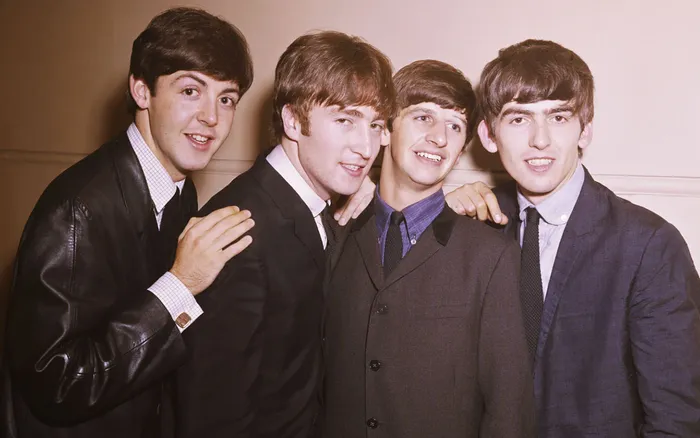
Công bố bản thu âm cuối cùng của The Beatles với giọng của John Lennon được  AI khôi phục

While Neil Young of all people should know better than to compare the two bands, he takes his opportunity to do so. But importantly, he does it through the lens of their best work, remarking how their careers were wildly different yet equally as successful.

“The Rolling Stones, now there was something, because they kept going. They didn’t just last for five years. It took them longer to make a great contribution,” he said. “The Beatles made their contribution in about five years, bang, gone—right? The Rolling Stones came out with ‘Miss You’ way after, years after the Beatles broke up—and when you think of the Rolling Stones, that’s one of their best things, that Some Girls album—and that’s with Ron Wood, y’know. They’d gone through a lot of changes.”
Rolling Stones: Their 50 Best Songs Ranked - Backstage Country

The Rolling Stones made the 1970s their own, just as The Beatles did in the 1960s. In that, they proved just how different from The Beatles they really were and carved a legacy that was rightly viewed away from the lens of comparison.

0 Shares:
Leave a Reply

Your email address will not be published. Required fields are marked *

You May Also Like
carrie
Read More

With one trembling line, Carrie Underwood didn’t just sing — she transformed Bridgestone Arena into something sacred. Midway through her Denim & Rhinestones tour, she stunned the crowd by calling her husband, former NHL star Mike Fisher, onto the stage. What followed was an unexpected duet of “Look At Me,” their voices blending like a vow whispered in public. Mike’s unpolished tone carried something stronger than technique: devotion. Carrie leaned toward him, eyes shining, as if borrowing strength from his presence. But the moment didn’t end under the spotlight. From the wings, their young son watched — and what he shouted next turned a concert into a memory no one was ready for.

The Heartfelt Story Behind Carrie Underwood’s “Mama’s Song” Known for her powerful vocals and emotionally rich storytelling, Carrie…

When Paul McCartney launched into Sgt. Pepper’s Lonely Hearts Club Band before seamlessly crashing into The End, fans swore it felt like the Beatles had been resurrected for one night only; the roar of guitars and pounding drums built to a climax that had the arena shaking, every lyric echoing like a rallying cry across generations; witnesses said the moment McCartney sang “And in the end, the love you take…” thousands of voices rose to meet him, some in tears, others shouting with fists in the air; social media exploded with clips, fans calling it “the closest thing to a Beatles reunion we will ever see”; critics hailed it as proof that McCartney still knows how to turn memory into fire, nostalgia into power; tabloids were quick to brand it “the night the sixties roared back,” a finale that blurred the line between past and present in a single, unforgettable blaze of sound.

The night memory became fire There are concerts, and then there are nights that feel like history clawing…
bees gees
Read More

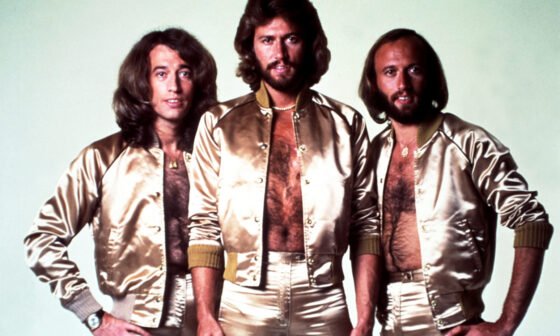
In 1987, many believed the Bee Gees had sung their last note. Disco had collapsed, critics had written them off, and the charts no longer seemed to have room for them. But then came You Win Again — a song that thundered like a declaration. Barry’s searing lead, fused with Robin and Maurice’s seamless harmonies, rode over a beat that struck like a battle cry. It wasn’t just a single; it was a resurrection. In that moment, the Bee Gees proved that true legends don’t disappear with trends — they endure, they adapt, and when the world counts them out, they come back louder, stronger, and utterly unstoppable.

Introduction By the mid-1980s, the Bee Gees seemed to have been written out of music’s future. The disco…