Introduction
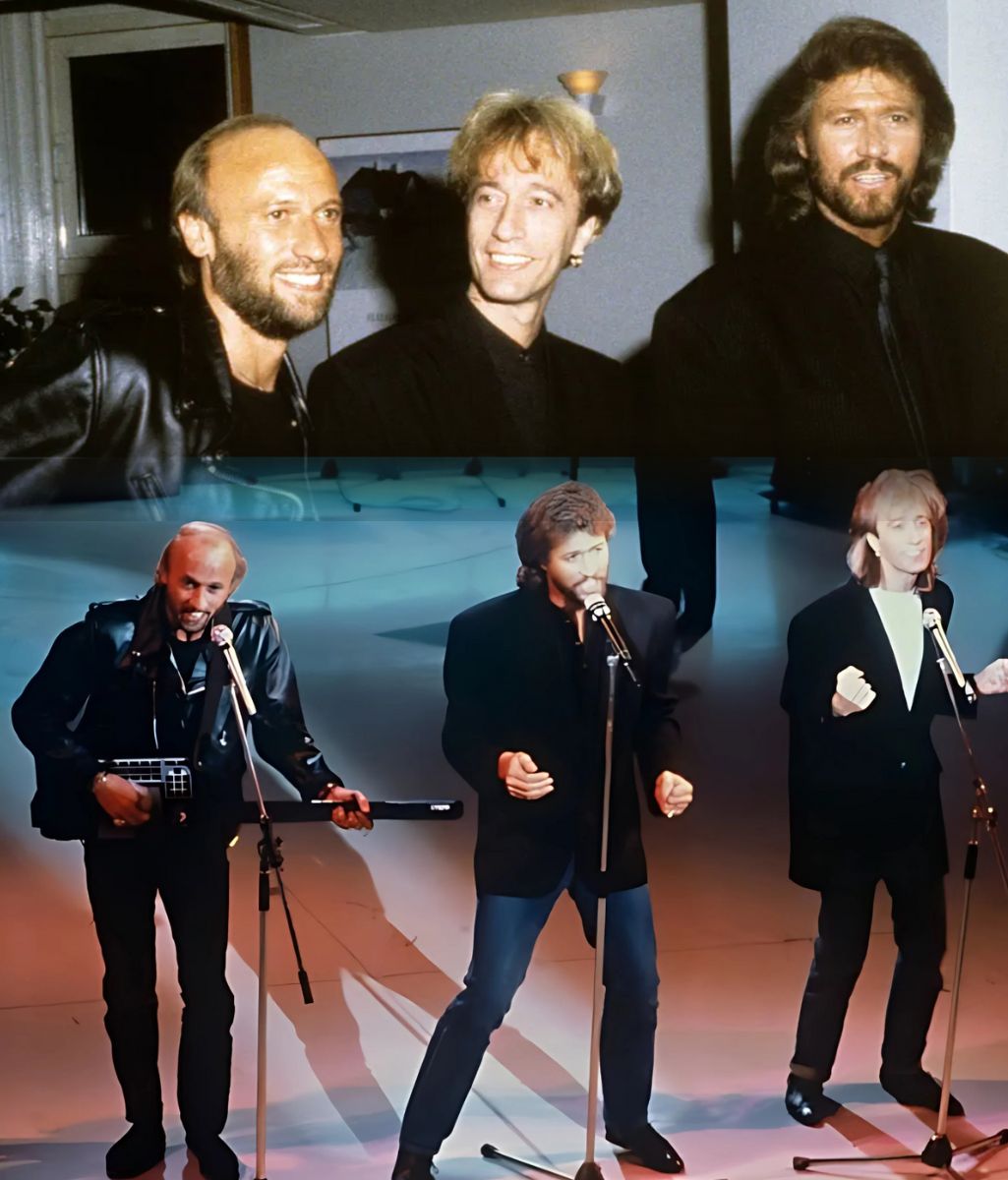
By the mid-1980s, the Bee Gees seemed to have been written out of music’s future. The disco backlash of the late ’70s had turned once-adoring critics into skeptics, dismissing the Gibb brothers as casualties of a fading trend. Radio stations were reluctant to play their new material, and the group who had once dominated global charts with “Stayin’ Alive” and “Night Fever” appeared to have been left behind. For many, it felt like the end of an era.
But the Bee Gees were never a band to surrender quietly. In 1987, they returned with a single that defied every expectation: “You Win Again.” From its opening bars, the song struck with the force of a declaration — bold, urgent, and utterly defiant. Barry Gibb’s fiery lead vocal surged above Robin and Maurice’s impeccable harmonies, riding over a drum machine beat that pounded like a battle cry. This was not nostalgia. It was reinvention.
The track carried all the hallmarks of classic Bee Gees craftsmanship: meticulous production, unforgettable melody, and a lyric that turned conflict into anthem. Yet it also pulsed with a modern edge, proving that the brothers were not trapped by the past. “You Win Again” was both familiar and new — a bridge between their iconic legacy and the changing landscape of 1980s pop.
The world responded with awe. In October 1987, the song soared to No. 1 on the UK Singles Chart, making the Bee Gees one of the few groups in history to top the charts in three separate decades — the ’60s, ’70s, and now the ’80s. It was a staggering achievement, silencing critics who had doubted their relevance. In a single stroke, the brothers proved that true legends adapt, endure, and rise stronger than before.
Fans who had grown up with the Bee Gees saw the single as vindication, a reminder of why they had fallen in love with the trio in the first place. Younger audiences, many of whom only knew the Bee Gees through their parents’ records, discovered a group whose sound still carried an emotional punch. The song’s success stretched across Europe, topping charts and reintroducing the Gibb brothers as not just survivors, but innovators.
Looking back, “You Win Again” was more than a hit. It was a resurrection. The song marked the Bee Gees’ triumphant return to cultural relevance and cemented their place as one of the most resilient acts in modern music. Where others had faded with passing trends, Barry, Robin, and Maurice proved they could weather storms, reinvent themselves, and still command the world’s attention.
In the end, “You Win Again” lived up to its title. It was the Bee Gees’ victory over time, over criticism, and over doubt. And in 1987, as the song blasted from radios across the globe, one truth became undeniable: legends don’t fade — they rise.
Video