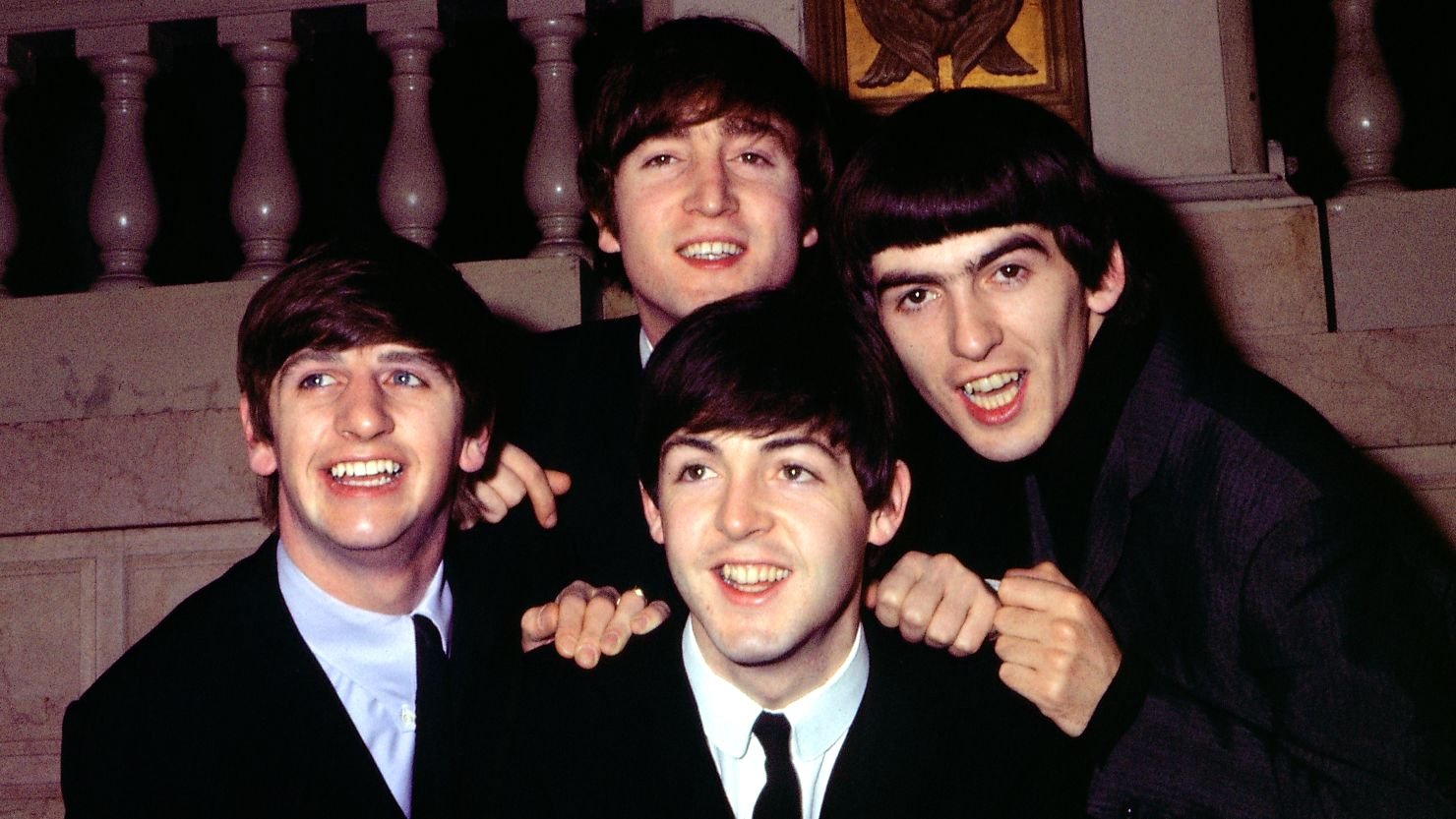
FOUR FACES, ONE IMMORTAL BAND — New Images Signal a Cinematic Return of The Beatles to the World

beatle

It began without noise or countdowns. No trailer thundered across screens. Instead, postcards appeared—quietly placed in Liverpool, Hamburg, New York, and Tokyo.

Images rather than announcements. An invitation rather than a command. The message was simple and deliberate: look again. History was stepping forward, wearing unfamiliar faces, asking to be seen with fresh eyes.

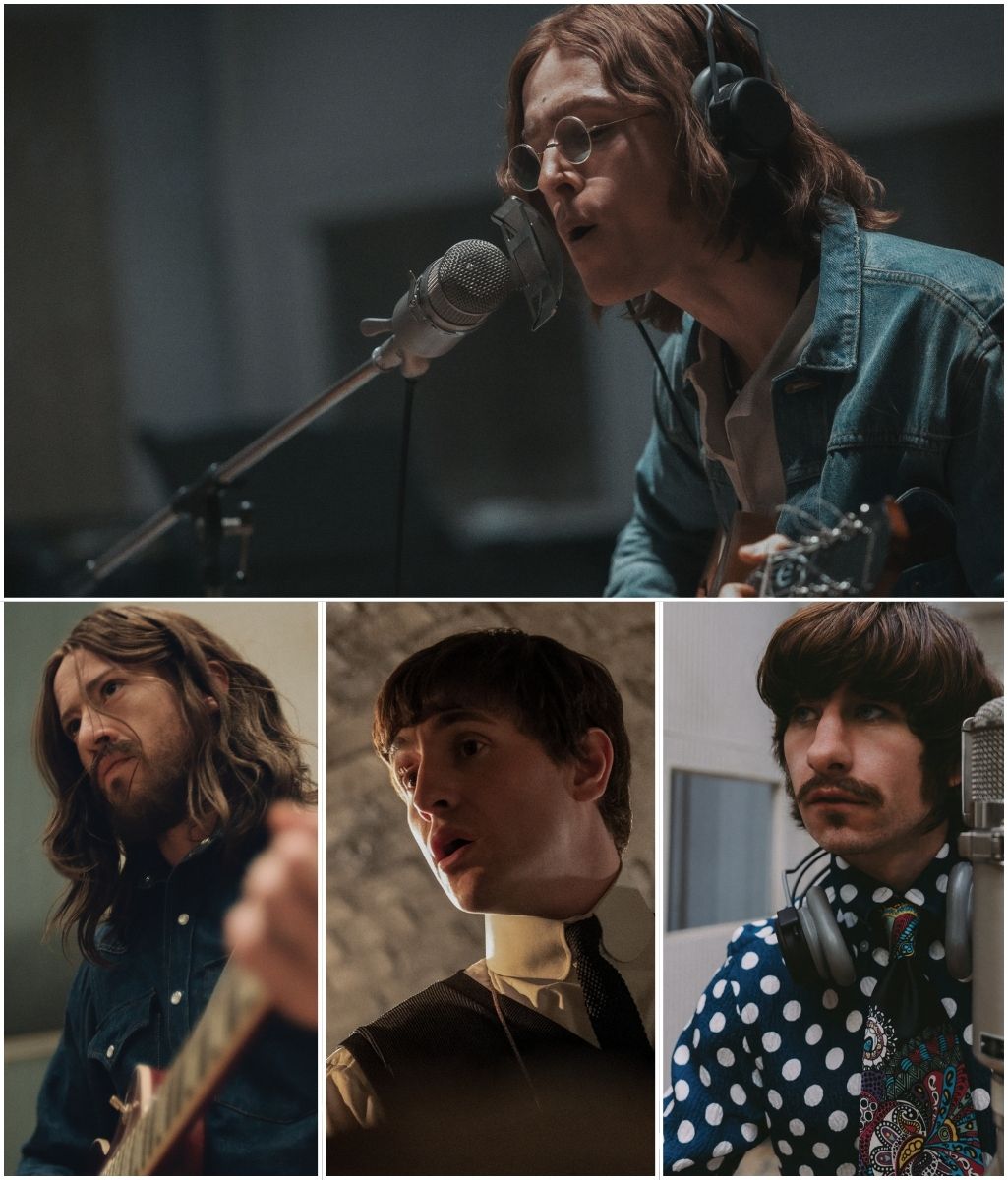
The images revealed The Beatles not as icons frozen in time, but as living figures reimagined. Paul Mescal steps into the silhouette of Paul McCartney, not imitating posture, but suggesting movement. There is a sense of melody before sound, confidence before certainty. Harris Dickinson carries John Lennon with a restless gaze that feels alert rather than rehearsed. The tension reads immediately, a mind already pushing against the frame.

Joseph Quinn brings George Harrison into focus with restraint. There is gravity without weight, presence without demand. It feels inward, thoughtful, observant. And then there is Barry Keoghan as Ringo Starr—grounded, human, unforced. The expression does not seek attention. It holds the room by understanding it.

💬 “It feels like they’re walking back into the world.”

That reaction has echoed quietly across audiences who recognize something rare in the images. This does not look like nostalgia attempting to borrow youth. It looks like reflection meeting responsibility. The faces do not compete with memory. They stand beside it.

Behind the project stands Sam Mendes, guiding an ambitious structure: four separate films, each told from the perspective of one Beatle. For the first time, full life and music rights have been granted, allowing the story to move without evasion or compromise. These films are set to arrive in theaters in April 2028, not as a single statement, but as four distinct journeys that eventually converge.

The choice feels intentional. No single viewpoint can hold a story this large. The Beatles were never one voice. They were tension, harmony, disagreement, and shared purpose moving at once. This format respects that complexity. It allows contradiction to breathe. It allows silence to matter.

What the first-look images accomplish is subtle but decisive. They shift expectation. This is not an attempt to recreate performances already etched into collective memory. It is an effort to explore how four individuals carried history differently, even while walking in step.

Legacy often risks becoming static. Here, it moves again. Not rewritten, not replaced, but reconsidered with care. Four films. Four faces. One enduring band. The music remains unchanged, yet the story finds room to speak anew—proving that what lasts does so because it continues to be understood, not because it is left untouched.

Video

0 Shares:
Leave a Reply

Your email address will not be published. Required fields are marked *

You May Also Like
keith urban
Read More

Amid all the noise of headlines and heartbreak, one quiet rumor has surfaced — and it’s left fans everywhere holding their breath. Sources close to the studio claim Keith Urban recorded a private acoustic track, one never meant for release, titled simply “For My Girls.” No label. No promotion. Just Keith, his guitar, and a dimly lit room late one night. One engineer who was there whispered, “He played the same chords over and over until his voice cracked. Then he said, ‘This one’s for my girls — not for the world.’” The track, reportedly sealed on a small tape meant only for Sunday and Faith, has become the stuff of quiet legend. No one outside the family has heard it — and maybe no one ever will. But that’s what makes it so hauntingly beautiful: the idea that somewhere, tucked away in a drawer or memory box, there’s a love song written not for fame… but for family.

Amid the storm of separation headlines surrounding Keith Urban and Nicole Kidman, one quiet detail has left fans…
Toby Keith
Read More

Toby Keith once hinted that the most powerful chapters of his life were never written on stage, but lived quietly beside the woman who stood with him when the lights went out. Together, they endured the unseen cost of fame—endless miles, sleepless nights, and the loneliness that success rarely admits. What haunted him later wasn’t the joy they shared, but the strength she showed in silence. She carried her hurt with grace, shielding him from her tears, even when the weight of life pressed hardest on her heart. Only with time did Toby understand the depth of that sacrifice. Love, he realized, doesn’t always ask to be seen or praised. Sometimes it chooses to stay hidden, protecting the one it loves most. That painful awakening became the soul of “She Never Cried in Front of Me”—a song shaped by regret, gratitude, and the quiet heartbreak of realizing too late how deeply someone loved you.

Introduction: A Song That Speaks to the Soul There are songs that speak to the ear, and then…
Vince gills
Read More

Everly held her grandpa’s hand and whispered, “Grandpa… I’m ready,” soft enough that only Vince Gill could hear it. The whole Opry seemed to freeze for a heartbeat. The granddaughter of a legend was about to sing for the very first time, and everyone felt that quiet pride stretching across three generations. When she sang the first note, her voice trembled a little but warmed the room like soft yellow stage lights. People barely blinked. Vince leaned down, eyes shining, and gave her a slow nod as if to say, “That’s it… you’ve got this.” And when the final note faded, the whole room felt the same thing: they had just witnessed something too beautiful to ever forget.

There are moments at the Grand Ole Opry that feel almost sacred — moments when the lights soften,…