QUIET DRUMMER CHANGED EVERYTHING — Patience, One Beat, and the Moment Ringo Starr Completed the Beatles

Beatles

September 1962 carried tension into Abbey Road. Studio Two felt unusually crowded that day, not with people, but with uncertainty.

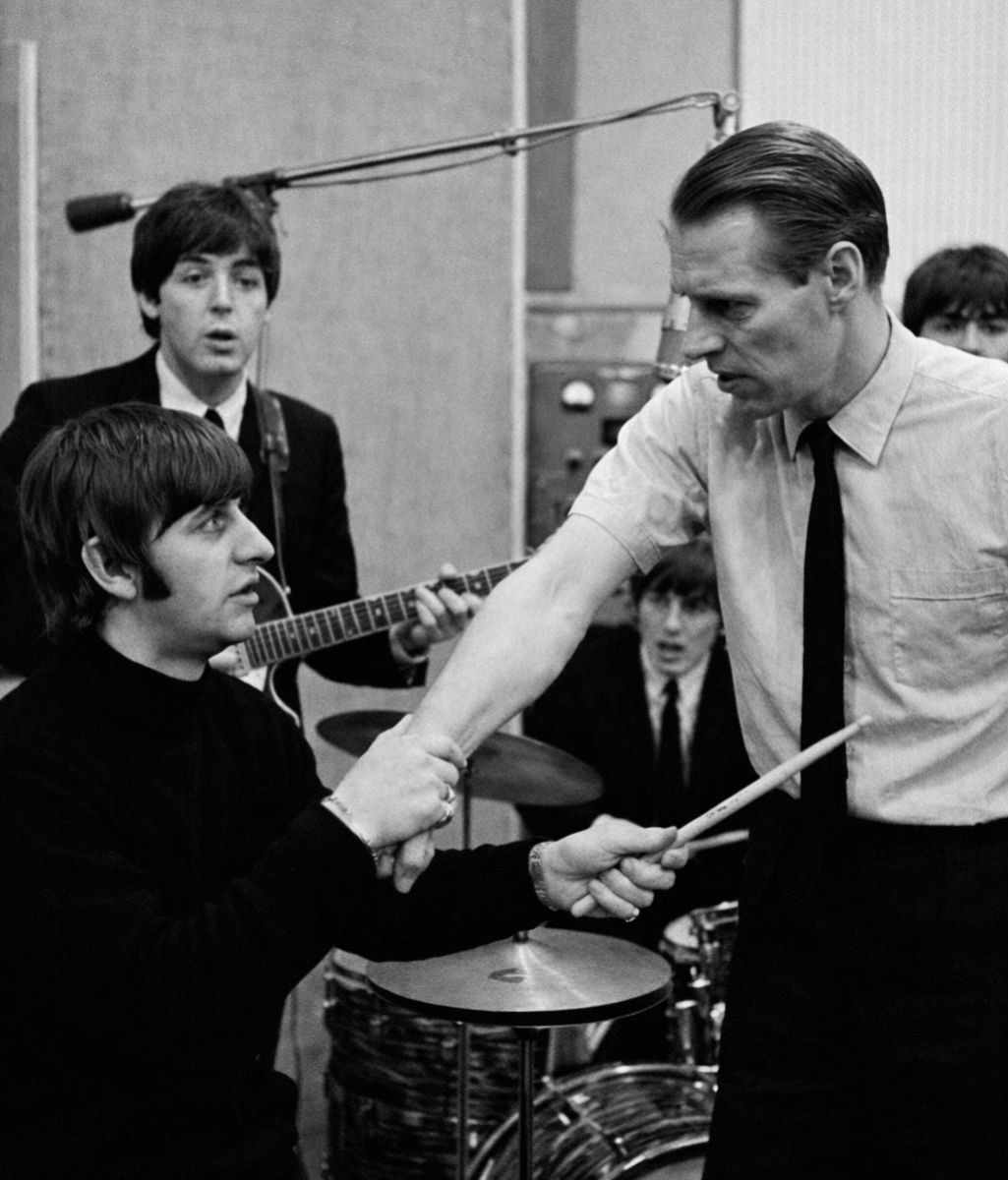
Two drummers were present, and everyone in the room understood what that meant. One sat confidently behind the kit, precise and professional, selected by producer George Martin to ensure control. The other stood slightly apart, tambourine in hand, saying nothing. His name was Ringo Starr.

No protest followed the decision. No argument. Ringo waited.

The session moved forward with discipline. Andy White played flawlessly. Every beat landed where it was meant to. Every bar aligned with the plan. On paper, nothing was wrong. The tape rolled. The notes were clean. Yet something essential refused to appear. The song existed, but it did not live.

Those listening felt it, even if they could not name it. The performance lacked breath. It moved forward, but it did not speak back. The rhythm obeyed, but it did not listen. In a room filled with technical excellence, humanity felt strangely absent.

Then, without ceremony, the balance shifted.

Ringo was invited to the kit. No announcement. No explanation. Just a quiet change in position. He sat down, adjusted the stool, and took a single breath. One count followed. Nothing dramatic. Nothing forceful. And yet, the room changed.

The groove softened. The song opened. Space appeared between notes, and that space mattered. The rhythm no longer pushed the music forward; it carried it. The beat felt conversational, instinctive, alive. The difference was immediate and undeniable.

💬 “That’s the sound.”

It was not spoken aloud, but it settled across the room with certainty. George Martin heard it instantly. This was not about accuracy. This was about identity. Technique could be taught. Feel could not. In that brief moment, the producer recognized something more valuable than control.

From that day forward, George Martin never hired another session drummer for The Beatles. His greatest misjudgment became his most important correction. Not because he abandoned standards, but because he learned to recognize character when it appeared quietly.

Ringo did not argue his way into that place. He did not demand it. He earned it through restraint. Through patience. Through the discipline of waiting until the music itself asked for him.

History often celebrates loud turning points. This one was nearly silent. No confrontation. No victory speech. Just a beat that fit where nothing else quite did. That beat became the foundation of everything that followed.

Ringo Starr did more than play drums that day. He demonstrated trust in timing, respect for process, and belief that truth reveals itself without force. The future of the Beatles did not change because someone spoke louder. It changed because someone listened.

Sometimes music is not rewritten by brilliance alone. Sometimes it is reshaped by patience steady enough to wait for the right moment—and brave enough to play when it finally arrives.

Video

0 Shares:
Leave a Reply

Your email address will not be published. Required fields are marked *

You May Also Like
toby-keith
Read More

THE NIGHT A SON BROUGHT HIS FATHER BACK THROUGH SONG. The arena fell into darkness, holding its breath. When the lights finally lifted, there was no grand entrance — only a lone microphone, a single guitar, and Toby Keith’s son standing quietly in the glow. No fireworks. No distractions. Just a moment that felt almost holy. He scanned the sea of faces, thousands of fans united by loss and love, then drew a breath heavy with memory. The first chord trembled, gentle and unsure. And then the voice emerged — hauntingly familiar, carrying echoes of his father’s strength and soul. It wasn’t perfect. It wasn’t meant to be. It was honest. Each lyric drifted upward like a whispered prayer, breaking hearts and healing them all at once. Tears replaced applause. When the final note faded, the crowd remained still. Because in that silence, it didn’t feel like a farewell. It felt like a father finding his way home — carried there by his son’s song.

Introduction: They say every song must end, yet not every silence is empty. On a quiet evening shaped…
The Lennon Sisters
Read More

The Lennon Sisters stood side by side beneath the soft glow of the stage lights — four familiar voices that had grown up with America. The song began the way it always had. Gentle. Harmonies woven from years of trust and memory. Then it happened. Near the final lines, one voice trembled. Not from age — from remembering too much. A sister glanced over. Another reached for her hand. The harmony broke for just a breath. Silence. And then the audience filled it. Not loudly. Not perfectly. But together. Hundreds of voices rose to finish the song — people who had danced to it, cried to it, grown older with it. The Sisters didn’t sing. They listened. Smiling through tears. For the first time, they weren’t carrying the harmony. It was carrying them.

For decades, The Lennon Sisters were known for something rare: harmony that felt effortless. Four voices moving as…
Dolly Parton
Read More

“The King” demanded her crown jewel. When Elvis Presley wanted to record I Will Always Love You, it was the ultimate honor. But the night before the session, his manager dropped a brutal ultimatum: Elvis gets 50% of the publishing rights, or he doesn’t sing. The industry rule was absolute: You never say no to Elvis. But Dolly Parton, heartbroken and trembling, did the unthinkable. She looked at the deal of a lifetime and refused. People whispered that she had committed career suicide. She walked away from a guaranteed fortune and the biggest star on Earth. But Dolly knew something they didn’t. That agonizing “No” wasn’t a mistake—it was a setup for the greatest revenge in music history. The real payoff was yet to come…

Here is a complete blog post telling the legendary story of Dolly Parton, Elvis Presley, and the song…