The Hidden Goodbye Inside Let It Be: How The Beatles’ Final Album Captured a Band Falling Apart

beatle

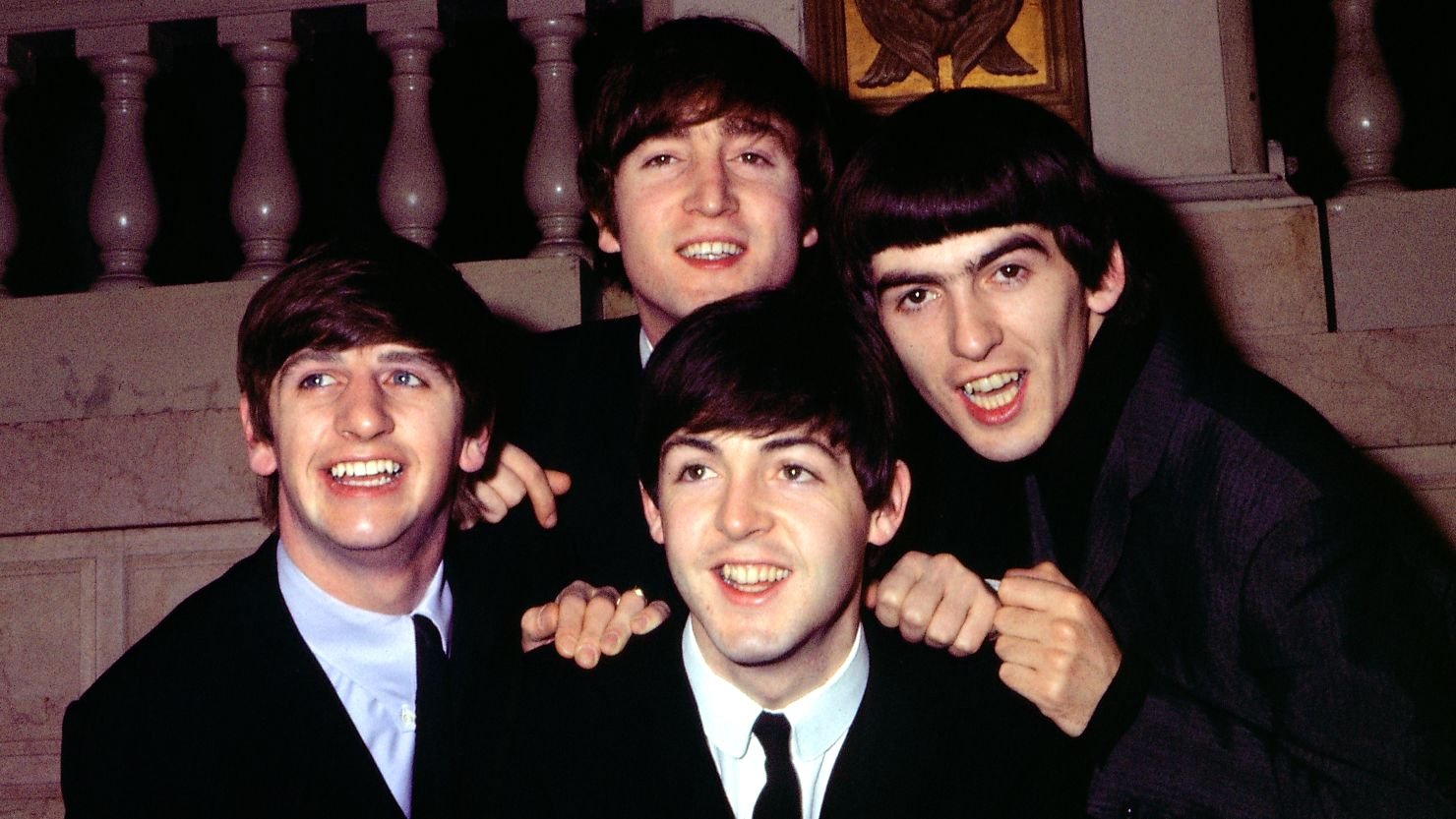
By the time Let It Be reached listeners in 1970, the dream of The Beatles had already begun to fade. What fans heard as a collection of songs was, in reality, something far more complicated: a snapshot of four musicians trying—sometimes desperately—to hold together something that was already slipping away.

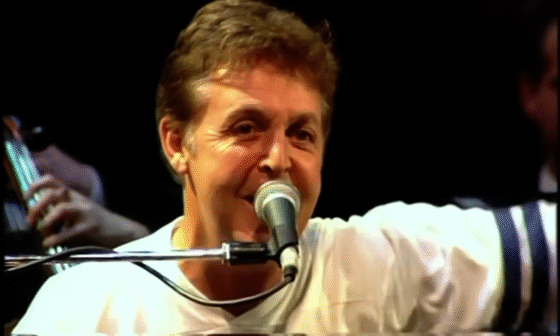
At the center of that story stood Paul McCartney.

The Beatles and George Martin

The project that became Let It Be started with a hopeful idea. McCartney wanted the band to reconnect with the energy that had first made them famous. The concept was simple: strip away studio tricks, play live, and return to the basics. The working title for the project was Get Back, and the goal was to remind everyone—especially the band themselves—why they worked so well together in the first place.

But reality inside the studio told a different story.

During the recording sessions in early 1969, tensions within the band were impossible to ignore. Creative disagreements were growing sharper, personal interests were pulling the members in different directions, and the once-effortless collaboration between McCartney, John Lennon, George Harrison, and Ringo Starr had begun to fracture.

What was intended as a back-to-basics revival slowly turned into something else entirely—a record that documented the band’s struggles almost by accident.

Even the album’s structure seemed to reflect the uncertainty surrounding it. The loose, live feel of several tracks gave the impression of a band trying to rediscover its chemistry. Yet behind that sound was a growing sense that things were no longer working the way they once had.

McCartney Buried a Secret Inside the Beatles' Last Album That Changes Every  Song Around It | Headphonesty

Nothing illustrated this tension more clearly than the controversy surrounding The Long and Winding Road.

McCartney had written the ballad as a simple, emotional piece. But when the album was being finalized, producer Phil Spector added sweeping orchestral arrangements and a choir to the recording—without McCartney’s approval. The lush production transformed the song into something far grander than McCartney had intended.

When he heard the finished version, he was furious.

For McCartney, the added layers represented exactly what the Get Back project was supposed to avoid. Instead of the stripped-down honesty he had envisioned, the song now sounded polished and dramatic—almost like a different album entirely.

In hindsight, many fans have come to see that moment as symbolic of the band’s final chapter. Decisions were being made without full agreement, communication was breaking down, and the unity that once defined the Beatles was fading.

Yet that very tension is part of what makes Let It Be so compelling today.

Abbey Road' vs. 'Let It Be': Which Was the Beatles' Last Album?

Listen closely, and the album feels less like a neatly planned farewell and more like a real-time recording of a band navigating its final moments together. There are flashes of joy, bursts of creativity, and reminders of the magic that had changed music forever. But there are also hints of exhaustion and distance between the members.

In a strange way, the album’s imperfections tell the truth more clearly than a carefully crafted goodbye ever could.

Because Let It Be isn’t just the last Beatles album released—it’s the sound of four legendary musicians standing at the edge of the end, still making music even as the band that defined them was quietly coming apart.

0 Shares:
Leave a Reply

Your email address will not be published. Required fields are marked *

You May Also Like
Paul McCartney
Read More

The Grammys weren’t prepared for the moment that quietly unsettled the entire room. When Paul McCartney’s name was read, it wasn’t the standing ovation that made producers exchange glances, but what happened seconds later on stage, as a brief pause, a softened voice, and a single offhand line about the song’s origin seemed to signal something more personal unfolding behind the polished broadcast, leaving artists in the audience visibly shaken and insiders later whispering that this win carried a meaning far deeper than a category announcement or a routine career milestone. What that small, easily missed moment may have revealed about where Paul is heading next is the detail fans are only beginning to notice.

The Grammys weren’t ready for what happened that night. When the presenter opened the envelope for “Best Pop Vocal…
Jackson Browne
Read More

When Jackson Browne stepped onto the stage to join Joan Baez for Before The Deluge, time stood still. Two legends, bound by music and rebellion, poured their souls into every note – his raw honesty colliding with her timeless grace, creating a storm of sound that felt like it could crack the sky. In 4K clarity you could see it in their eyes: decades of struggle, courage, and truth carried in every chord. The crowd didn’t cheer, they listened – silent, heavy, alive – as if bearing witness to something bigger than a song. This wasn’t just music, it was a reminder that art can heal, protest, and ignite hope all at once. For anyone who lives for rock n roll’s fire, this was pure transcendence.

The Kennedy Center’s hallowed stage glowed in warm amber light as two icons of folk and rock, Jackson…
Merle Haggard
Read More

THE TOUR BUS THAT NEVER STOPS. Merle Haggard vowed he would die on the road, and true to his word, he kept the wheels rolling until the very end, defying every doctor’s order. A hasty photo snapped through the tour bus window reveals a heartbreaking sight: a frail, gaunt Merle, tethered to an oxygen tank, but with a pen still firmly gripped in his hand. Toby Keith, who visited him during those final hours, recalled that even with failing lungs, Merle was determined to finish one last verse. “I don’t retire,” Merle wheezed, flashing that signature crooked grin. “I just move to a different stage.” It was the stubborn defiance of a true “outlaw” right to the bitter end—a refusal to quit that broke hearts as much as it inspired them. And that sheet of paper he was writing on? It became his final artifact…

In the polished world of modern country music, retirement is a scheduled event. There are farewell tours, press…
THE STATLER BROTHERS
Read More

Under the soft stage lights, The Statler Brothers stood shoulder to shoulder — not just a band, but a family built on music, faith, and years of laughter. Before the first note even started, their harmony filled the air like an old friend walking through the door. Each glance between them told a story — of long tours, quiet prayers backstage, and the kind of bond words could never explain. It wasn’t just a song that night. It was a promise that time couldn’t break — four voices, one heart, still singing for the ones who never stopped listening.

A Song Like a Handshake: The Statler Brothers’ Harmony That Time Couldn’t Break There are some sounds that…
Avenged Sevenfold
Read More

Rock fans are buzzing tonight — and for good reason. Across North America, venue pages have started dropping short, mysterious clips featuring the logos of Avenged Sevenfold and Good Charlotte, and the internet is already exploding with theories. The videos are quick, cryptic, and perfectly timed… just enough to hint that something big might be coming in 2026. Seeing these two iconic bands pop up together has fans losing it. Avenged Sevenfold brings the massive, theatrical energy they’re known for, while Good Charlotte carries the nostalgic punch that defined an entire era of rock. The possibility of both names sharing the same tour poster has people refreshing their feeds nonstop. Whether it’s a joint tour, a special event, or something totally unexpected, one thing is certain — these teasers have sent excitement through the roof. And if the reactions online are any indication, fans are more than ready for a collaboration this big

Avenged Sevenfold & Good Charlotte Spark Massive Buzz by Teasing a 2026 Co-Headlining Arena Tour — Fans Are…