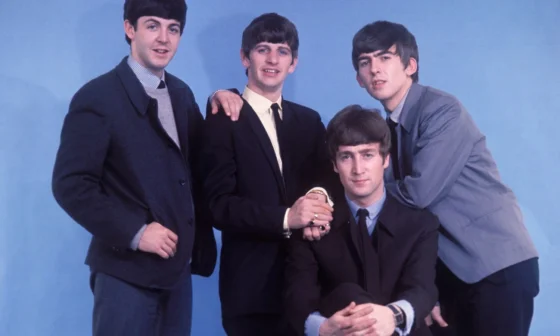
When The Beatles officially split in 1970, the music world reacted with shock and sadness. For fans, it felt like the end of an era. But for John Lennon, the breakup was not entirely negative. In fact, he believed the separation gave each member the freedom to explore their own artistic paths.
Lennon had long felt constrained by the group’s dynamics during the final years of The Beatles. Creative disagreements, changing musical interests, and the pressure of global fame made collaboration increasingly difficult. Rather than continue under those tensions, Lennon believed it was healthier for everyone to move forward independently.
And in his typically honest style, Lennon later made a surprising admission: he believed that one of his bandmates had enjoyed greater success as a solo artist than he had.
The Beatle he was referring to was Paul McCartney.
Following the breakup, McCartney launched a hugely successful solo career and later formed the band Wings. Throughout the 1970s, McCartney and Wings produced a string of massive hits, including songs like “Band on the Run,” “Live and Let Die,” and “Jet.” The commercial success of these releases made McCartney one of the most prominent artists of the decade.
Lennon, who was never shy about speaking his mind, acknowledged that McCartney’s output and chart success during those years were remarkable. In interviews, he admitted that Paul’s career after The Beatles had sometimes surpassed his own in terms of commercial achievements.
This admission was notable because the relationship between Lennon and McCartney had often been portrayed as competitive. As the primary songwriting partnership behind The Beatles’ greatest hits, the two musicians were constantly compared by fans, critics, and the media.
Yet beneath that rivalry was a deep respect for each other’s talent.
Lennon himself also enjoyed major success after leaving the band, releasing influential solo albums and iconic songs such as “Imagine,” which remains one of the most recognizable peace anthems in modern music. His work often carried a more personal and political tone, reflecting his evolving worldview during the 1970s.
Meanwhile, McCartney leaned toward melodic pop and large-scale productions, a style that appealed strongly to mainstream audiences. The contrast between their approaches highlighted how differently the former Beatles chose to express themselves once the group dissolved.

Looking back today, many historians of rock music see the breakup of The Beatles not as an ending but as the beginning of four distinct musical journeys. Lennon, McCartney, and their bandmates each carved out unique identities that continued to influence generations of artists.
For Lennon, acknowledging McCartney’s achievements was part of that story. His candid remark that Paul’s career had been “better than mine” was less about competition and more about recognition — one legendary musician acknowledging the remarkable success of another.
It also serves as a reminder that even within one of the greatest bands in history, respect and admiration endured long after the final Beatles recording had been made.