Il Volo’s Highs and Lows: When “Grande Amore” Speaks in Silence

il volo

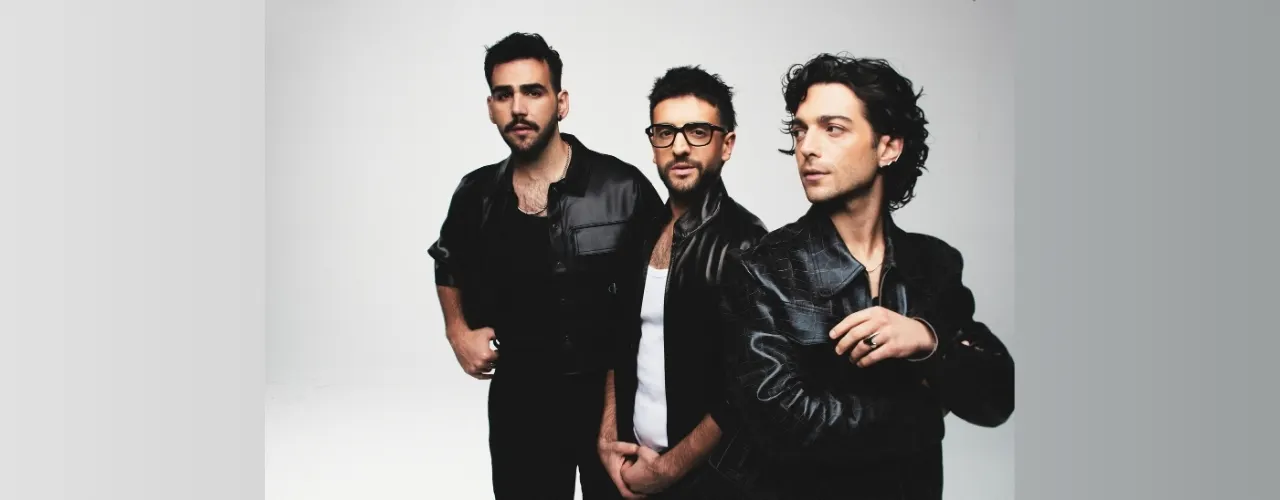
When Il Volo takes the stage, it’s tempting to focus on the soaring notes, the technical brilliance, and the perfect harmony. But with “Grande Amore,” something subtler captivates audiences: the spaces in between, the quiet fall after the rise, and the moments of stillness that linger long after the music ends.
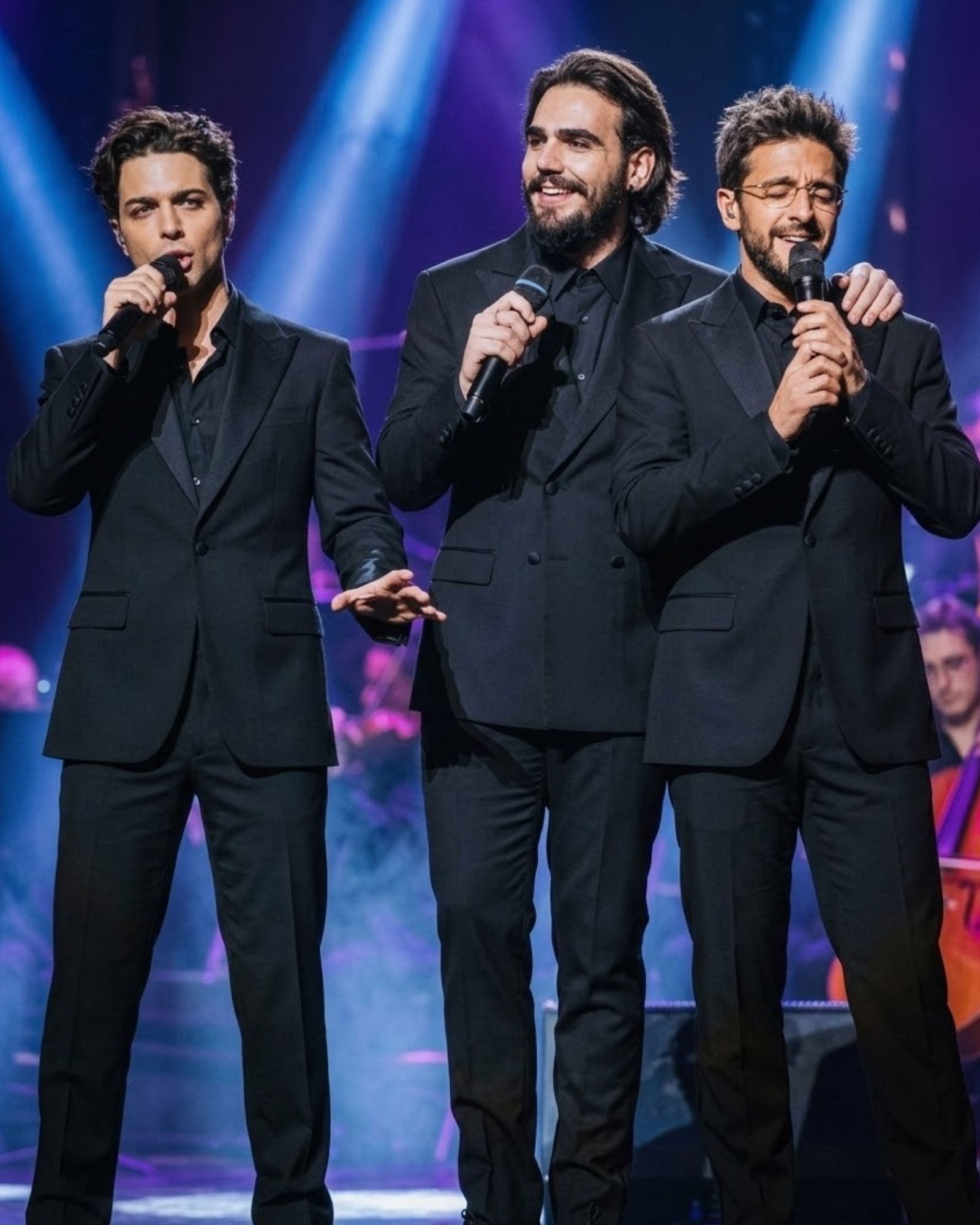
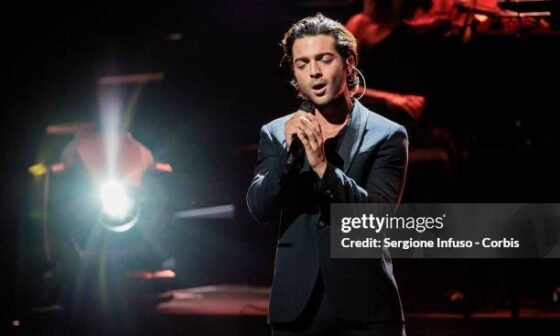
The performance builds deliberately. One voice enters, tentative yet rich; another joins, weaving warmth into the growing harmony; the third lifts the sound into a seamless trio that seems almost untouched by effort. Each addition layers emotion and history, creating tension as the audience anticipates what is to come. For a song celebrated for its climactic high note, that rise is inevitable. When it arrives, it soars, filling the theater and hearts alike.

Yet the real resonance lies not in the peak but in what follows. After the final note, there is a pause—a suspended breath that hangs in the air. It is in this fall, this quiet surrender, that the audience feels the full weight of the song. There is a vulnerability in the silence, a reminder that music is not only about technical mastery but also about what it evokes in listeners. In that stillness, the song seems to breathe, revealing subtleties often overlooked in the rush toward the high point.

A conductor observing their work summed it up perfectly: “They don’t chase the note. They let it break them first.” Il Volo’s interpretation is not about reaching a pitch flawlessly; it’s about inhabiting every phrase, letting the music move through them, and letting the audience feel that journey. Millions have watched the performance online, and concertgoers around the world have given standing ovations, yet it is always the fall—the pause, the fragile silence—that stays with listeners longest.

This approach transforms the experience of “Grande Amore.” The song, already rich with themes of longing and loss, becomes a living narrative. Il Volo does not simply perform the notes—they uncover layers of emotion embedded in the music, as though revealing memories that had previously been hidden. The peak is celebrated, but it is the quiet aftermath that tells the real story, leaving listeners with a sense of intimacy, reflection, and emotional truth.

In a way, the trio’s artistry lies in their understanding that music is more than the sum of its parts. The high notes capture attention, but the falls capture the heart. Il Volo demonstrates that the power of a song often resides not in what is sung, but in what lingers after, in the echoes, the breaths, and the moments when the music has done its work and left space for memory and emotion.

With “Grande Amore,” Il Volo reminds us why music transcends time and language. It is not just a performance to be heard; it is an experience to be felt—in every rise, every fall, and every lingering pause that follows.


0 Shares:
Leave a Reply

Your email address will not be published. Required fields are marked *

You May Also Like
Stevie Nicks
Read More

Stevie Nicks Has Always Been Unbreakable — Until This Night. For the first time since Christine McVie’s passing, she walked onto the stage looking heartbreakingly small. The show moved forward, song by song, but everyone felt it — something was missing. As the night reached its end, the lights dimmed into a soft, mournful purple. The crowd waited, unsure why the air suddenly felt heavier.

In the turbulent, soap-opera history of Fleetwood Mac, there were many wars. Lovers fought, husbands and wives divorced,…
Paul McCartney
Read More

“THE BRITISH INVASION DIDN’T JUST CHANGE MUSIC — IT NEARLY ERASED NEIL SEDAKA.” Before The Beatles stormed American radio in 1964, Neil Sedaka was already a hit machine. Songs like “Calendar Girl,” “Happy Birthday Sweet Sixteen,” and “Breaking Up Is Hard to Do” had made him one of pop’s most dependable stars. Then the British Invasion arrived. Almost overnight, the charts changed. Sedaka’s sound faded from radio, and for years it seemed as if one of America’s most successful songwriters had vanished from the spotlight. But he never stopped writing. Sedaka moved to London, started again in smaller venues, and kept composing while the music world raced in new directions. By the mid-1970s, the comeback was undeniable — helped in part by artists like Elton John, who helped bring his songs back to a new generation. In the end, Sedaka and Paul McCartney came to represent the same timeless craft: melody, piano, and the quiet discipline of songwriting. Sometimes the music sounds like it belongs to one era or another. But the best melodies are different. The melody sounded like it belonged to neither of them — and both of them at once.

“Scroll down to the end of the article to listen to music.” When the Sound of Pop Suddenly…

“SOMETHING IN THIS SONG FEELS… FAMILIAR. TOO FAMILIAR.” Bruce Springsteen didn’t just release a protest track — he slipped a quiet clue inside it. Streets of Minneapolis hit fast, loud, and angry, written and dropped in the immediate aftermath of a killing that shook the city. The lyrics rage. The timing shocks. But it’s the sound that’s making listeners stop mid-play and go, wait… haven’t I heard this before? and Fans caught it instantly

  There have long been connections between Bob Dylan and Bruce Springsteen, who inducted the former into the…
paul-mccartney
Read More

“‘Well, what about me?’” Paul McCartney admits he still holds a grudge over how his Rock & Roll Hall of Fame solo induction played out — and says it wasn’t about trophies, but fairness. After agreeing to induct John Lennon in 1994, McCartney claims he felt the Lennon–McCartney “equals” story started being rewritten, with public narratives increasingly painting him as “less than” in the partnership. He even hints a promise of recognition “next year” never came — and that frustration stuck for years. And when his solo induction finally arrived in 1999, one heartbreaking detail made the moment feel far less celebratory than people think…

Paul McCartney Admits He Still Holds a Grudge Over His Late Rock & Roll Hall of Fame Induction…