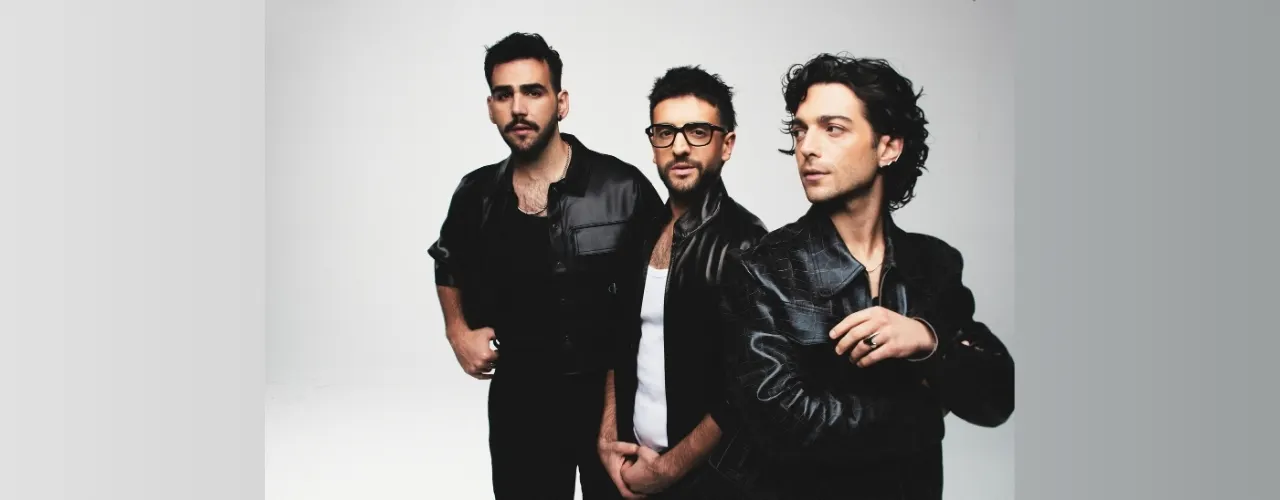
When Il Volo takes the stage, it’s tempting to focus on the soaring notes, the technical brilliance, and the perfect harmony. But with “Grande Amore,” something subtler captivates audiences: the spaces in between, the quiet fall after the rise, and the moments of stillness that linger long after the music ends.
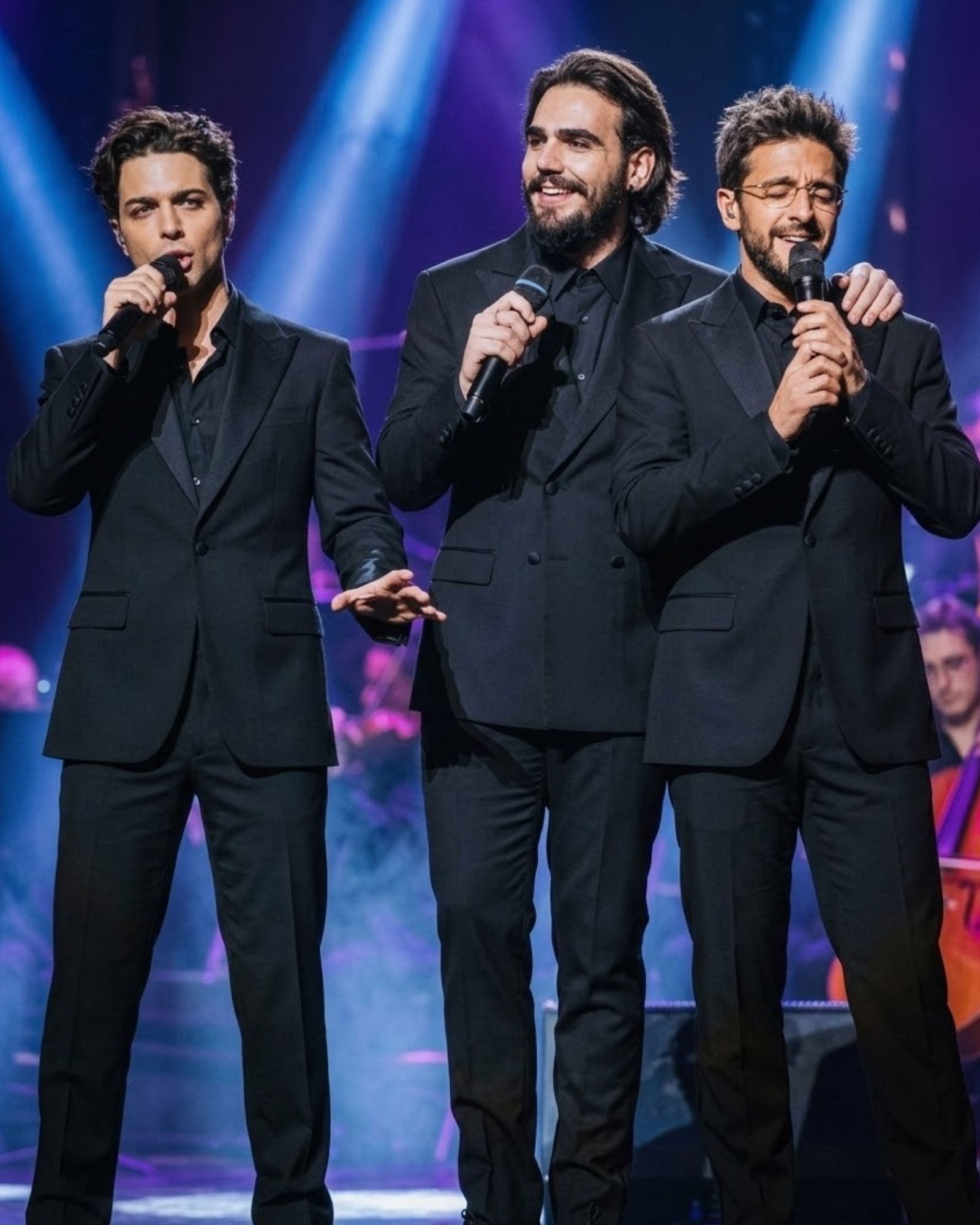
The performance builds deliberately. One voice enters, tentative yet rich; another joins, weaving warmth into the growing harmony; the third lifts the sound into a seamless trio that seems almost untouched by effort. Each addition layers emotion and history, creating tension as the audience anticipates what is to come. For a song celebrated for its climactic high note, that rise is inevitable. When it arrives, it soars, filling the theater and hearts alike.
Yet the real resonance lies not in the peak but in what follows. After the final note, there is a pause—a suspended breath that hangs in the air. It is in this fall, this quiet surrender, that the audience feels the full weight of the song. There is a vulnerability in the silence, a reminder that music is not only about technical mastery but also about what it evokes in listeners. In that stillness, the song seems to breathe, revealing subtleties often overlooked in the rush toward the high point.
A conductor observing their work summed it up perfectly: “They don’t chase the note. They let it break them first.” Il Volo’s interpretation is not about reaching a pitch flawlessly; it’s about inhabiting every phrase, letting the music move through them, and letting the audience feel that journey. Millions have watched the performance online, and concertgoers around the world have given standing ovations, yet it is always the fall—the pause, the fragile silence—that stays with listeners longest.
This approach transforms the experience of “Grande Amore.” The song, already rich with themes of longing and loss, becomes a living narrative. Il Volo does not simply perform the notes—they uncover layers of emotion embedded in the music, as though revealing memories that had previously been hidden. The peak is celebrated, but it is the quiet aftermath that tells the real story, leaving listeners with a sense of intimacy, reflection, and emotional truth.
In a way, the trio’s artistry lies in their understanding that music is more than the sum of its parts. The high notes capture attention, but the falls capture the heart. Il Volo demonstrates that the power of a song often resides not in what is sung, but in what lingers after, in the echoes, the breaths, and the moments when the music has done its work and left space for memory and emotion.
With “Grande Amore,” Il Volo reminds us why music transcends time and language. It is not just a performance to be heard; it is an experience to be felt—in every rise, every fall, and every lingering pause that follows.