For fans of The Beatles, the story of the band is often told through its biggest moments—chart-topping songs, groundbreaking albums, and performances that changed the course of music history. But sometimes, it’s the quietest moments that leave the deepest impression.
One such moment is the final meeting between George Harrison and Paul McCartney—a deeply personal encounter that took place far from the spotlight.
By the time this meeting occurred, decades had passed since their early days in Liverpool, when they were simply two young musicians chasing a shared dream. Together with their bandmates, they would go on to become part of one of the most influential groups in history. Yet in that hospital room, none of that fame seemed to matter.
There were no cameras, no audiences—just two old friends sitting side by side.
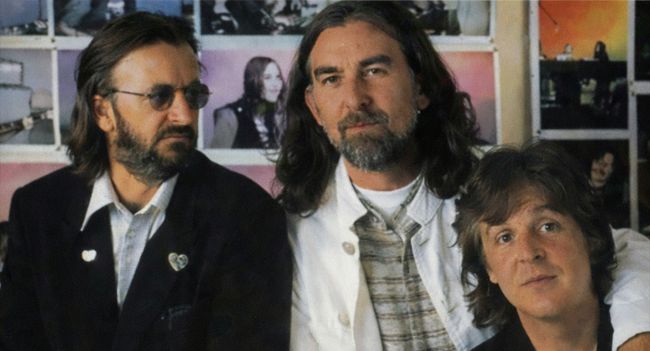
As Harrison’s health declined, the conversation between them reportedly drifted back to where it all began. They spoke about bus journeys across Liverpool, the excitement of their first guitars, and the small, defining moments that would eventually lead them to global recognition. These weren’t the grand milestones often celebrated in documentaries, but the personal memories that only they truly shared.
At one point, they even played a few quiet chords together. It wasn’t a performance in any traditional sense—there was no need for perfection or applause. Instead, it felt like a simple act of connection, as though music itself had become a bridge between past and present. For a brief moment, time seemed to soften, allowing them to revisit the bond that had shaped so much of their lives.
What makes this meeting so powerful is its contrast to everything that came before it. These were artists who had stood before massive crowds, whose music had reached millions. Yet their most emotional exchange didn’t happen under stage lights—it unfolded in silence, in a room where only memory and friendship remained.
When it was time for McCartney to leave, the moment carried a quiet weight. There were no dramatic gestures, no lengthy speeches. Just a simple farewell.
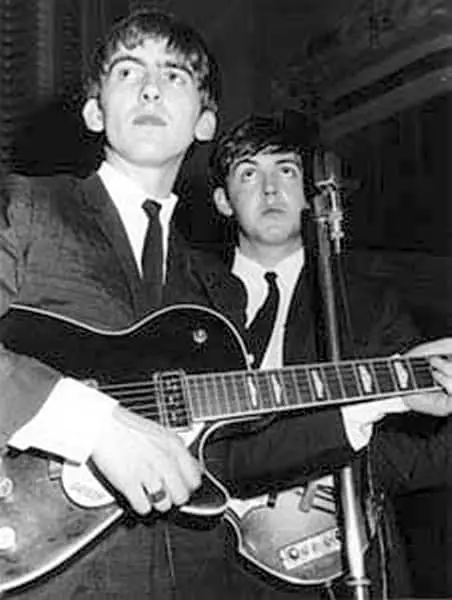
“See you around, mate.”
Those words, attributed to Harrison, have resonated deeply with fans ever since. Their simplicity is part of what makes them so enduring. They don’t attempt to capture the enormity of a life or a legacy. Instead, they reflect something more human—a sense of familiarity, warmth, and acceptance.
For McCartney, and for those who later heard the story, the phrase became more than just a goodbye. It felt like a continuation of the connection they had shared for over forty years—a bond that had survived fame, distance, and time itself.
In the end, this final meeting serves as a reminder that behind the legend of The Beatles were real relationships, built on shared experiences and lasting friendship. And sometimes, it’s not the loudest moments that define a legacy—but the quiet ones that stay with us long after the music fades.