A New Chapter Begins? The Beatles’ Sons Spark Mystery with Emotional Collaboration

Beatles

For decades, the legacy of The Beatles has remained one of the most influential forces in music history. Their songs continue to shape generations, their story endlessly revisited. But now, a new chapter may be quietly unfolding—this time, through those who grew up closest to that legacy.

The sons of the band’s members—Julian Lennon, Sean Lennon, Dhani Harrison, Zak Starkey, and James McCartney—have reportedly come together for a brand-new song. While details remain scarce, the project has already captured the imagination of fans around the world.

What makes this collaboration so compelling isn’t just the names involved, but what they represent. Each of these artists has carved out their own identity, often navigating the delicate balance between honoring their roots and establishing something uniquely their own. Bringing them together in a single project feels less like coincidence and more like a moment shaped by time.

Early reactions suggest the track is not driven by nostalgia alone. Rather than revisiting familiar melodies or reworking past hits, the song is said to take a quieter, more reflective approach. Listeners describe it as soft and understated on the surface, yet emotionally layered beneath. The lyrics, in particular, seem to resonate deeply—many interpret them as a kind of conversation between generations, touching on themes of memory, legacy, and what remains unsaid.

That sense of dialogue is part of what has made the song feel so personal. It’s not just about looking back at what The Beatles once were; it’s about exploring how their influence continues to evolve. Through their children, the story doesn’t simply end—it changes form.
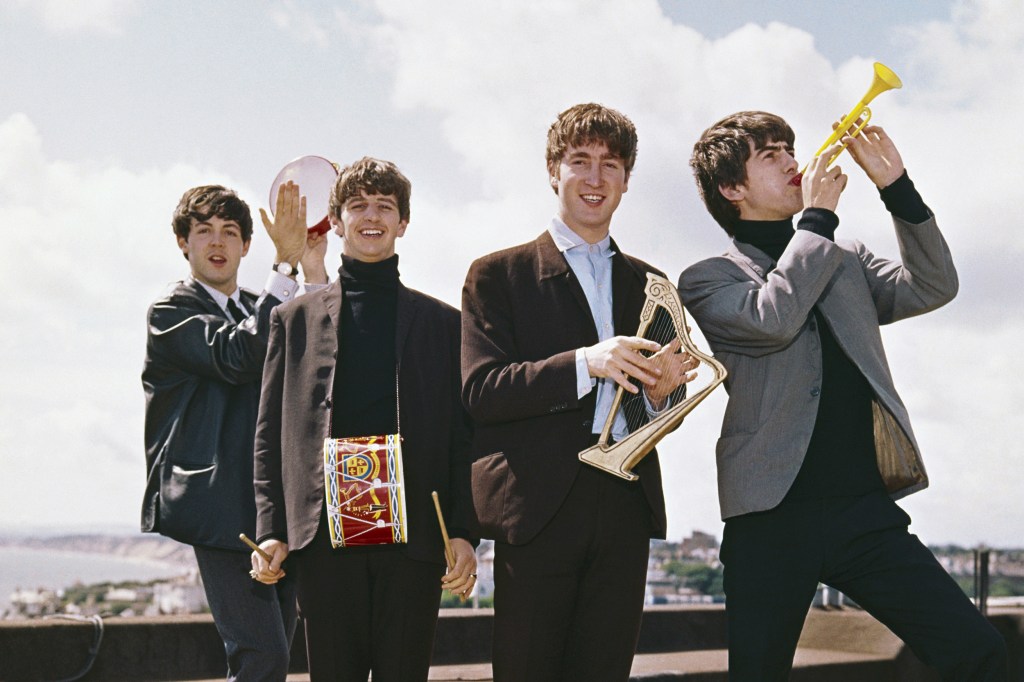
The Beatles to release new outtakes collection and restored documentary series

Yet, alongside the emotional response, there’s also an air of mystery. Fans have been quick to ask questions: Who initiated the collaboration? Was it something planned long in advance, or did it come together more spontaneously? And perhaps most intriguingly, why now?

The timing has sparked particular interest. In a cultural moment where revisiting musical legacies has become increasingly common, this project stands apart. It doesn’t appear to be tied to a major anniversary or promotional cycle. Instead, it feels more organic—almost as if it emerged from a shared desire to say something that had been waiting to be expressed.

Speculation has only added to the intrigue. Some fans believe this could be the beginning of a larger project, perhaps even a continuing collaboration that brings these artists together again. Others see it as a one-time tribute—something intentionally singular, meant to capture a specific feeling in a specific moment.

The Beatles' sons: James McCartney, Zak Starkey, (Ringo) Julian Lennon, and Dhani Harrison

Whatever the case, the response makes one thing clear: the connection to The Beatles remains as powerful as ever. But what’s changing is how that connection is being expressed.

This collaboration doesn’t attempt to recreate the past. Instead, it acknowledges it—while quietly moving forward. It suggests that legacy isn’t something fixed or distant, but something living, shaped by those who carry it in new directions.

Whether this song marks the beginning of something bigger or stands as a single, meaningful moment, it has already achieved something rare. It has reminded listeners that even the most iconic stories can still find new voices—and new ways to be heard.
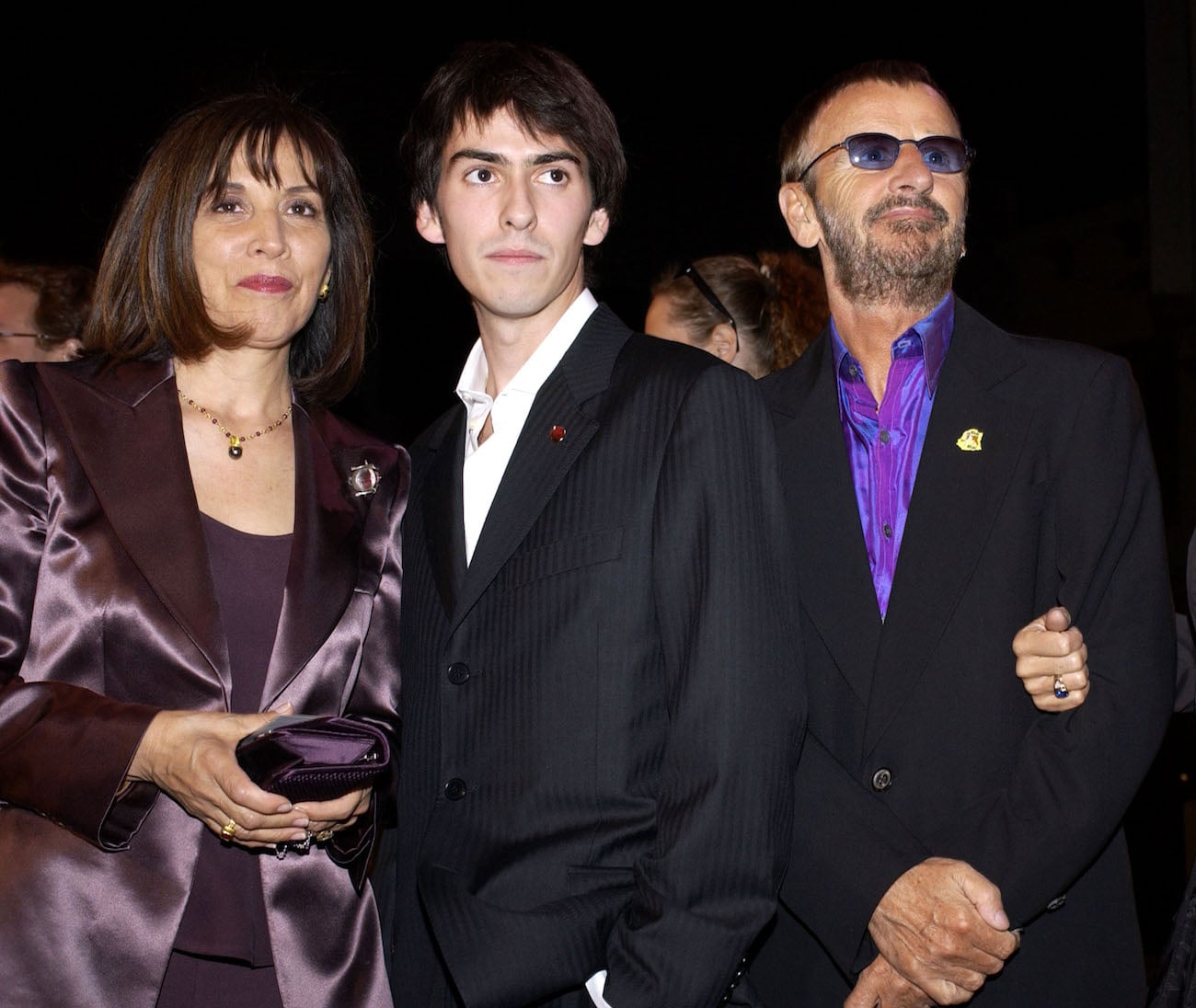
Why Ringo Starr Couldn't Teach George Harrison's Son, Dhani, How to Play the Drums

0 Shares:
Leave a Reply

Your email address will not be published. Required fields are marked *

You May Also Like
Read More

A Tour That Feels Like Time Travel: Why Paul McCartney’s 2026 Return Means More Than EverWhen the announcement broke that Paul McCartney would be touring in 2026, it didn’t arrive with the usual buzz of concert news. There was no sense of routine excitement or predictable anticipation. Instead, it landed quietly but deeply, like a familiar melody drifting back into your life after years away. For many fans, McCartney’s music has never belonged to just one moment. It has stretched across decades, threading itself through personal histories in ways that are hard to put into words. These are not just songs people remember — they are songs people lived through. They played during long drives with no destination, in bedrooms filled with late-night thoughts, and in fleeting moments when life seemed to pause just long enough to be understood. That’s why this tour feels different. It’s not simply about seeing a legendary artist perform again. It’s about reconnecting with something that has quietly shaped who we are. The chords, the lyrics, the unmistakable voice — they carry echoes of younger selves, of people we used to be and moments we thought were long behind us. There’s something uniquely powerful about hearing music live that has already lived inside you for years. It’s almost like reopening a chapter of your life, except this time, you’re reading it with the perspective of everything that came after. The songs haven’t changed, but you have — and that changes everything. And then there’s the weight of time itself. McCartney isn’t just another artist on tour; he’s one of the last living bridges to a musical era that reshaped culture forever. Seeing him perform now feels less like attending a concert and more like witnessing history still in motion. It’s a reminder that the past isn’t as distant as it sometimes feels — that it can still step onto a stage, pick up a guitar, and sing. But perhaps what makes the 2026 tour feel so significant is the quiet awareness that moments like this don’t come around endlessly. There’s a sense, unspoken but understood, that this is something to be cherished. Not out of nostalgia alone, but out of appreciation for what it represents — longevity, artistry, and the rare ability of music to remain meaningful across generations. Fans aren’t just preparing to attend a show. They’re preparing to revisit parts of their own lives. To stand in a crowd of strangers who somehow share the same memories, the same emotional connections to songs that have traveled through time alongside them. In the end, this tour isn’t just about Paul McCartney returning to the stage. It’s about the way music endures — how it holds onto moments, carries them forward, and gives them back when we least expect it. And in 2026, for a few hours under stage lights, those moments will feel alive again.

When the announcement broke that Paul McCartney would be touring in 2026, it didn’t arrive with the usual…