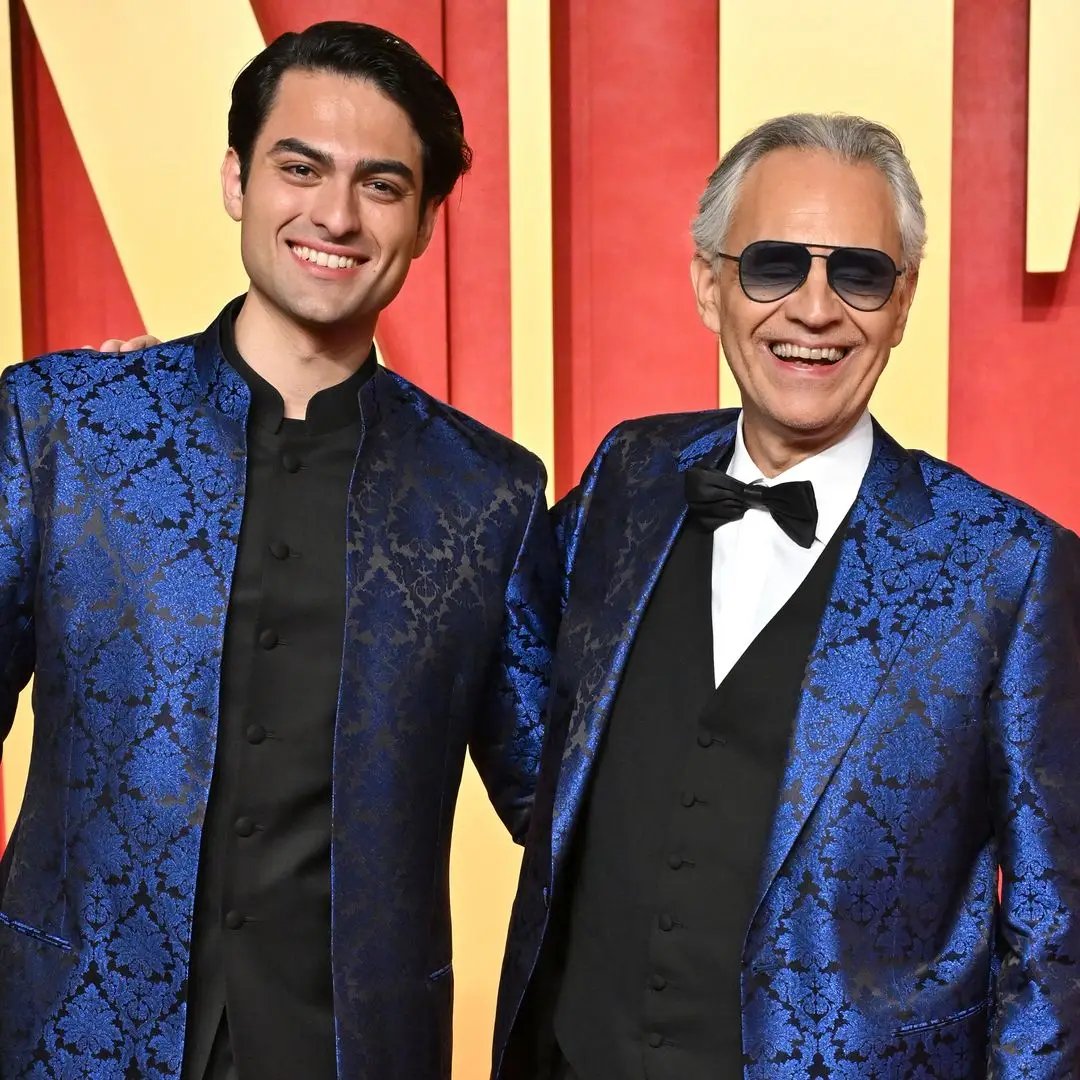
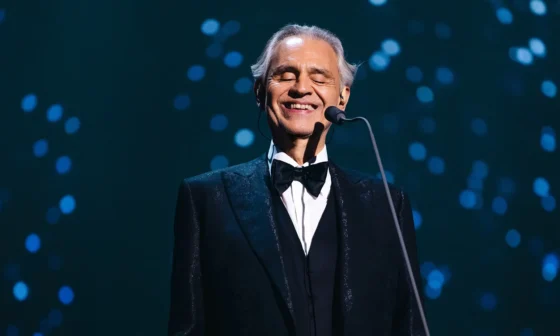
There are moments in music when a performance feels bigger than the stage it’s sung on—when it carries something deeper than melody or technique. That’s the feeling surrounding the recent duet by Andrea Bocelli and his son, Matteo Bocelli—a collaboration that has resonated strongly with listeners around the world.
For years, fans have admired Andrea Bocelli not only for his remarkable voice but for the emotional sincerity he brings to every performance. His ability to connect with audiences has made him one of the most beloved tenors of his generation. Now, sharing that space with his son adds an entirely new dimension to his music.
Matteo Bocelli, who has steadily built his own identity as an artist, brings a fresh yet complementary tone to the duet. While comparisons are inevitable, what stands out most is not similarity, but harmony. Their voices don’t compete—they blend, creating something that feels unified and natural.
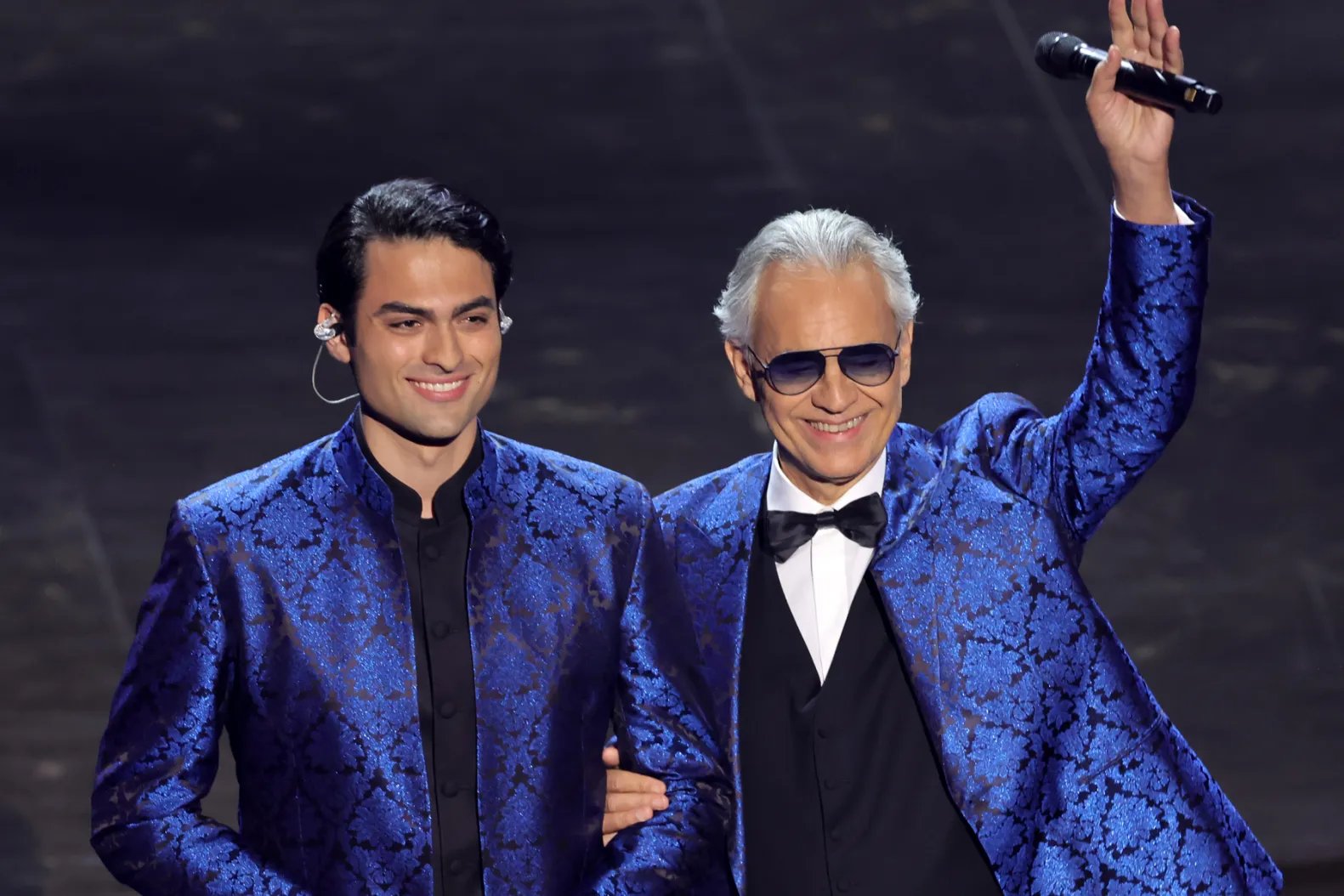
What makes this duet particularly striking is its emotional undercurrent. There is a sense of closeness that goes beyond musical collaboration. It feels like a conversation—one carried through melody rather than words alone. Each line seems to hold meaning not just for the listener, but for the singers themselves.
The idea of family in music is not new, but it rarely feels this personal. In this performance, listeners are invited into something intimate—a shared expression between father and son. That authenticity is what draws people in and keeps them listening.
The arrangement itself remains understated, allowing the vocals to take center stage. There is no overwhelming orchestration, no attempt to overshadow the simplicity of the moment. Instead, the focus remains on the interplay between their voices—how they rise, fall, and meet.
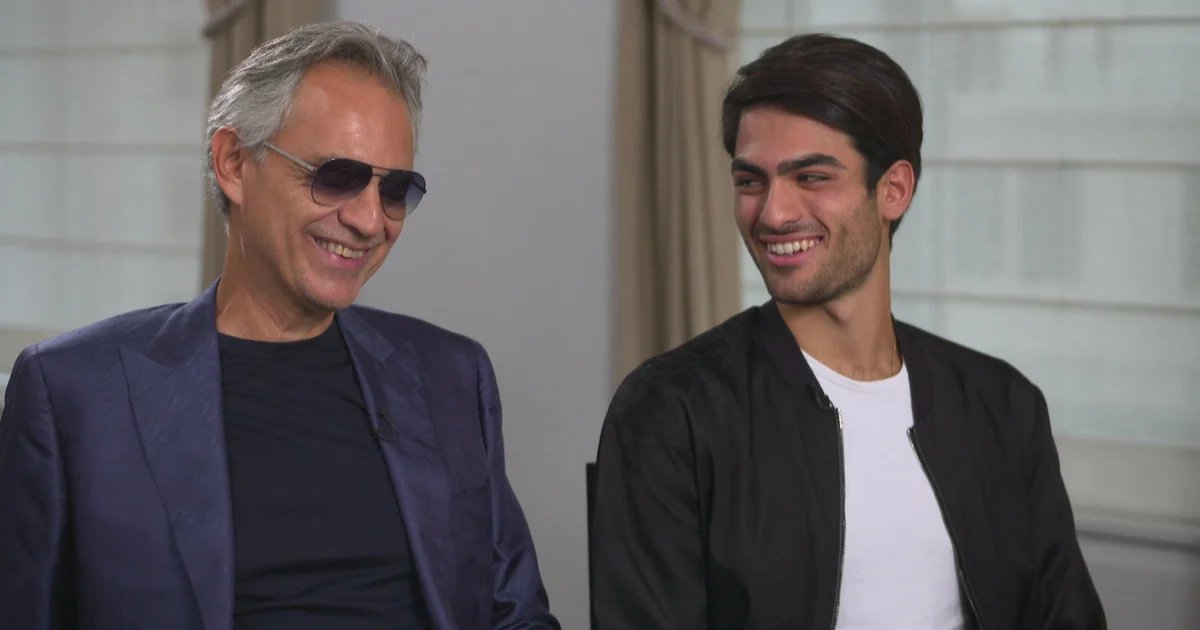
For Andrea Bocelli, whose career has spanned decades and countless iconic performances, this duet represents more than just another addition to his repertoire. It reflects continuity—a passing of musical spirit from one generation to the next. For Matteo, it’s both an honor and an opportunity to stand alongside a figure who has shaped his understanding of music from the very beginning.
Listeners have responded with enthusiasm, often describing the duet as moving and memorable. Many have noted how it evokes a sense of timelessness, as though the music exists outside of a specific moment. That quality is difficult to define, but easy to feel.
Part of that feeling comes from the balance between experience and new energy. Andrea’s seasoned, expressive delivery meets Matteo’s youthful clarity, creating a contrast that enhances the performance rather than dividing it. Together, they form a sound that feels complete.
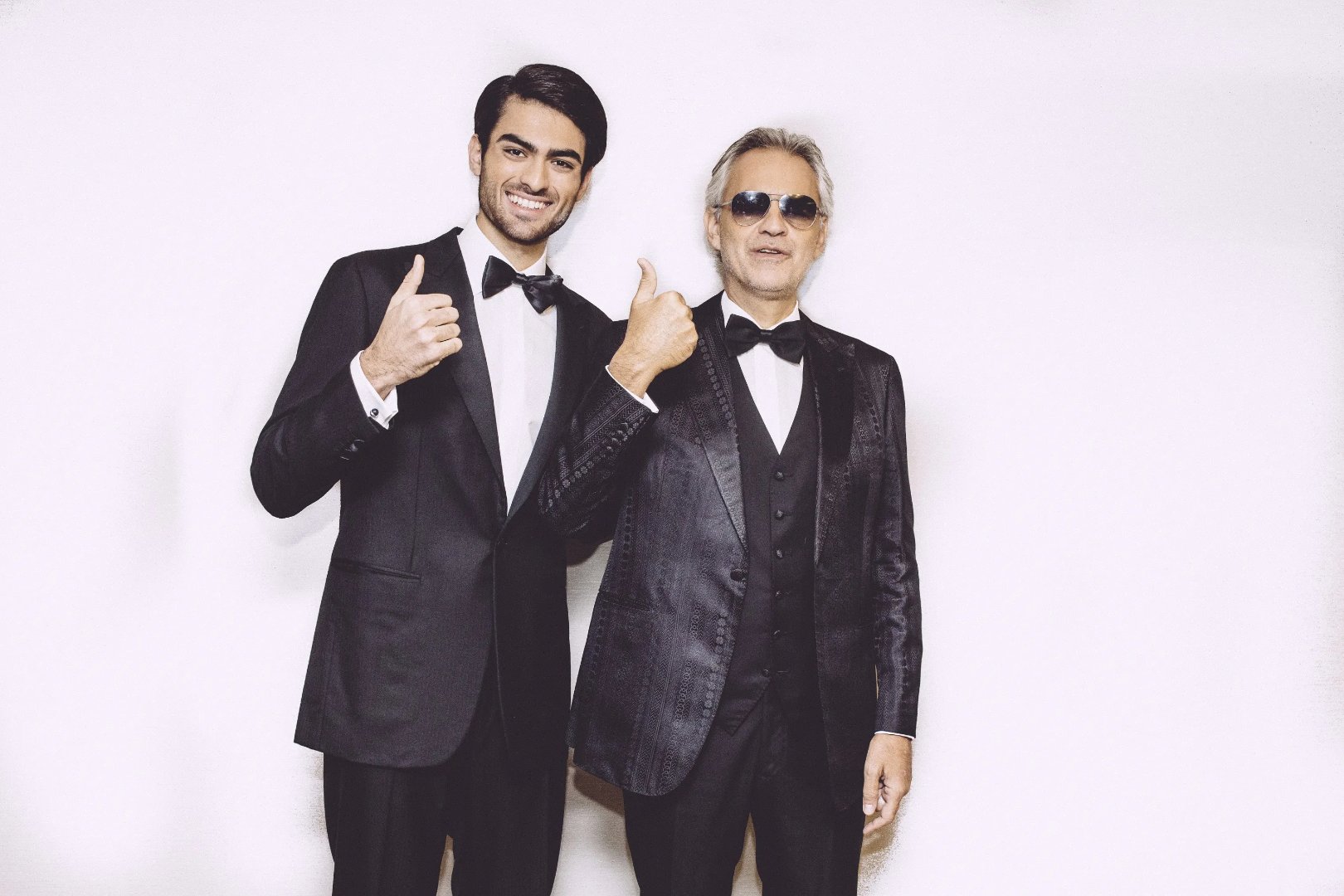
In a world where music is often consumed quickly and forgotten just as fast, this duet encourages something different. It invites listeners to pause, to reflect, and to experience the emotion behind the notes.
Ultimately, what makes this collaboration stand out is not just its musical quality, but its meaning. It is a reminder that music can be a bridge—not only between artist and audience, but between generations.
And in that shared space, something lasting is created—something that lingers long after the final note fades.