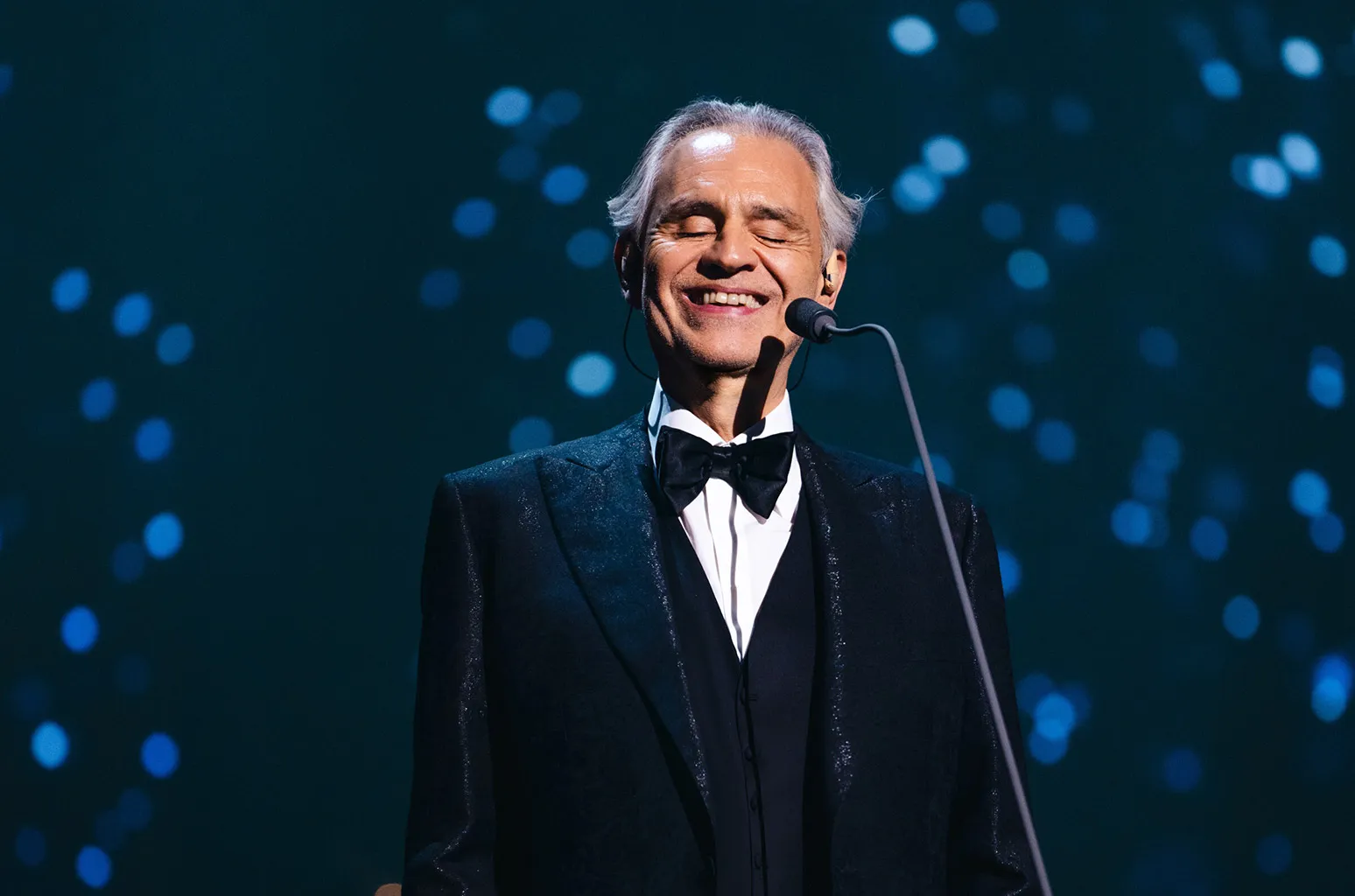
In recent days, emotional headlines have circulated online claiming that Andrea Bocelli is facing a serious health diagnosis and has chosen to continue performing rather than pursue treatment. The story has spread quickly, capturing the attention of fans around the world and prompting concern, admiration, and speculation.
But how much of it is actually confirmed?
As of now, there has been no verified public statement from Bocelli or his official representatives confirming such a diagnosis or decision. While the narrative is powerful—depicting an artist choosing music above all else—it appears to be based largely on unverified reports and viral interpretations rather than established facts.
That doesn’t make the emotional response any less real.
Bocelli’s career has always inspired deep connection. Blind since childhood and rising to become one of the most celebrated tenors in the world, his story already carries themes of resilience, dedication, and passion. For many fans, the idea that he would continue singing despite personal hardship feels consistent with the image they hold of him.
However, it’s important to distinguish between admiration and assumption.
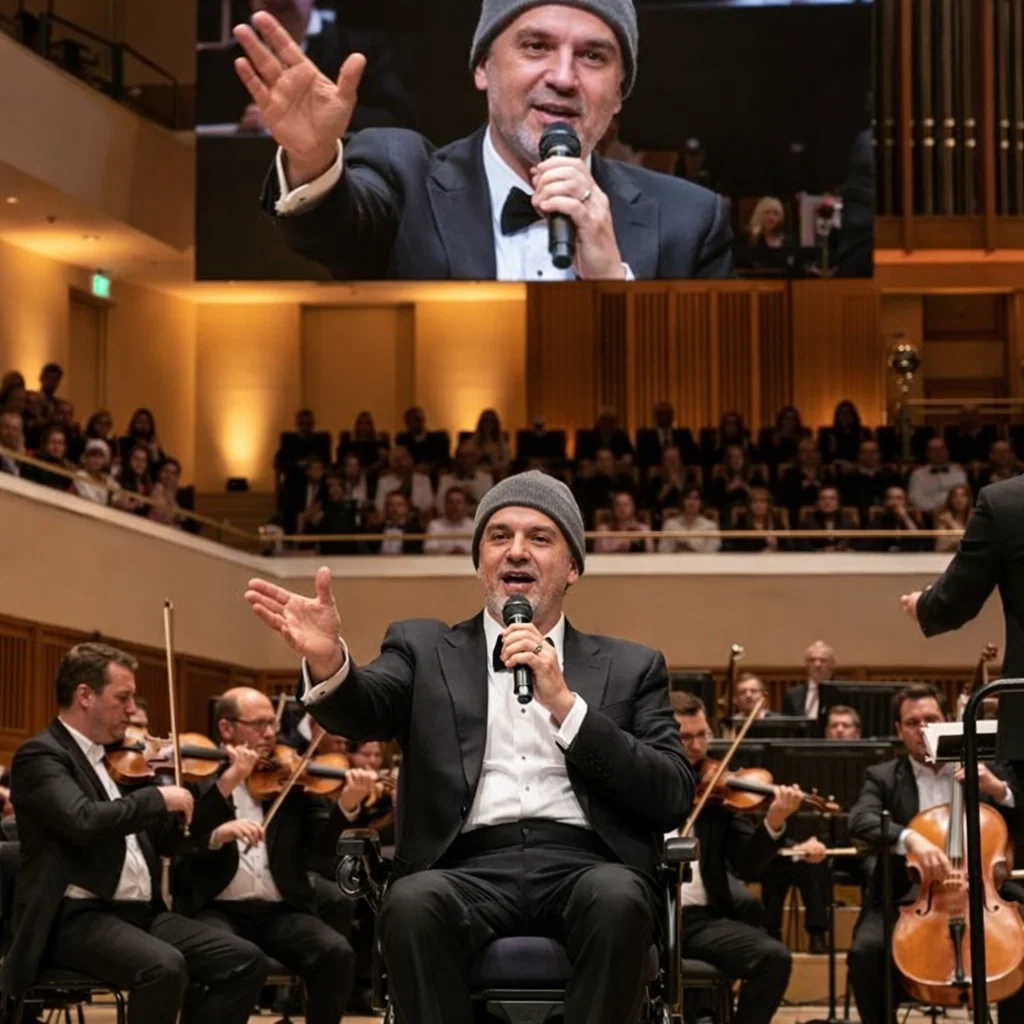
In the age of social media, stories can quickly take shape without full context. A powerful quote—like “I choose music… until my final breath”—can spread widely, even if its origin is unclear or misattributed. Over time, repetition can give such statements the appearance of truth, even when no official confirmation exists.
This situation highlights a broader pattern: audiences are drawn to narratives that emphasize sacrifice, especially in the world of music. The idea of a final performance, of an artist giving everything they have for one last moment on stage, is undeniably compelling. It taps into something universal—the desire to leave behind something meaningful.
Yet, in reality, artists like Bocelli carefully plan their careers, tours, and health decisions with professional guidance. Major announcements—especially those involving health—are typically communicated clearly and directly through official channels. In the absence of such confirmation, it’s wise to approach viral claims with caution.
For now, what remains true is Bocelli’s enduring relationship with music. His performances continue to draw global audiences, and his voice remains a symbol of emotional expression for millions. Whether on tour or in recordings, his work reflects a lifelong commitment to his art.
Fans, understandably, feel protective of that legacy. The outpouring of emotion surrounding these recent claims speaks not only to concern, but to the deep connection people feel to his music.
If there is any takeaway from this moment, it’s perhaps this: the impact of Andrea Bocelli’s career doesn’t depend on dramatic narratives. It already exists—in decades of performances, recordings, and moments that have touched listeners around the world.
And while the idea of a “final chapter” may capture attention, his story—like his music—deserves to be understood with clarity, respect, and truth.