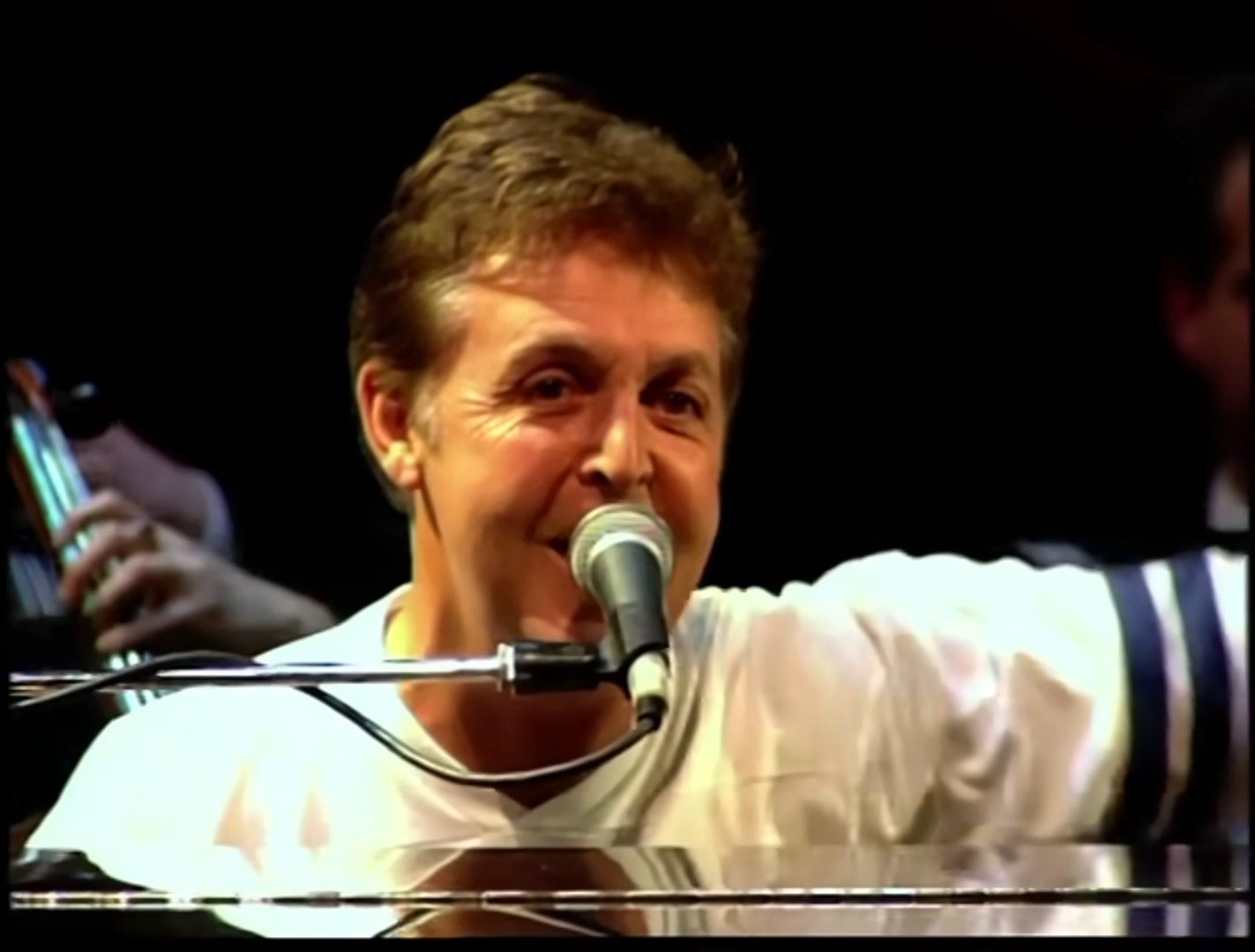
Paul McCartney at the Fonda Theatre: A Legend Up Close and Unforgettable

paul

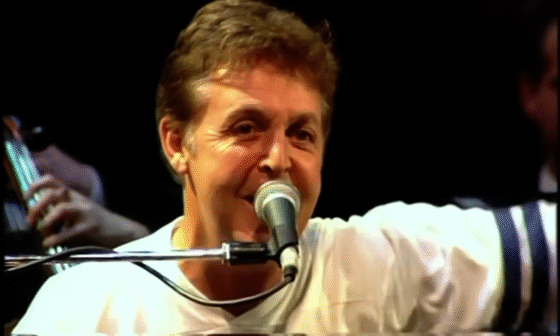
There are concerts, and then there are moments that feel almost unreal. When Paul McCartney took the stage at the Fonda Theatre, it quickly became clear that this would be the latter.

Known for headlining massive arenas and stadiums around the world, McCartney is no stranger to large-scale performances. But this show was different. The Fonda Theatre, with its intimate setting and close quarters, created a rare opportunity to experience a global icon in a way that felt personal—almost immediate.

From the opening moments, the connection between performer and audience was undeniable. McCartney didn’t just play songs; he invited the room into them. Each note carried a sense of history, not as something distant, but as something still alive and evolving.

The setlist reflected that legacy. When he launched into “Help!,” the crowd responded instantly, voices rising in unison. It was a reminder of how deeply the music of The Beatles remains woven into popular culture. Decades after its release, the song still resonates—not just as a classic, but as something timeless.
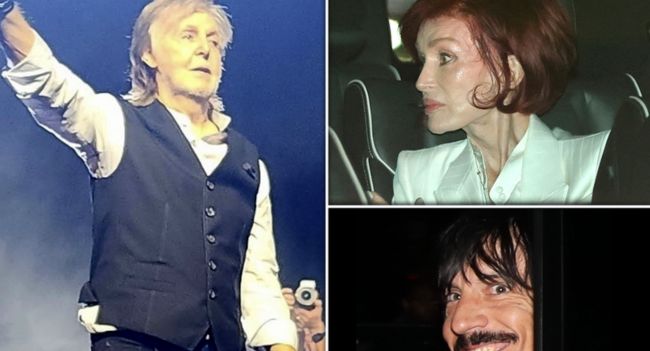
Then came “Band on the Run,” a track that showcased another side of McCartney’s career. Moving beyond his Beatles years, it highlighted his ability to reinvent himself while maintaining the melodic instincts that defined his earlier work. In the intimate setting of the Fonda, the song felt both expansive and immediate, its energy filling every corner of the room.

What made the performance especially striking wasn’t just the music—it was the way McCartney commanded the space. In a venue where every reaction is visible and every sound feels closer, there’s little room for distance between artist and audience. Yet he navigated it effortlessly, blending storytelling, humor, and musicianship in a way that felt natural.

For those in attendance, it wasn’t just about hearing familiar songs. It was about experiencing them differently. In a smaller venue, the layers of performance become more visible—the subtle expressions, the small interactions, the moments between songs. These are the details that often get lost in larger settings, but here, they became part of the experience.

The audience itself reflected the breadth of McCartney’s influence. Longtime fans stood alongside younger listeners, all drawn by the same music. It’s a rare kind of reach—one that spans generations without losing its relevance.

That’s perhaps what defines McCartney’s legacy most clearly. It isn’t just about longevity or success, though he has both in abundance. It’s about connection. Whether performing for tens of thousands or a few hundred, he has a way of making the music feel personal.

As the night came to a close, there was a sense that something special had taken place—not just a concert, but a shared moment. In a career filled with historic performances, this one stood out for its simplicity.

No grand spectacle. No overwhelming production. Just a legendary artist, a room full of listeners, and songs that continue to matter.
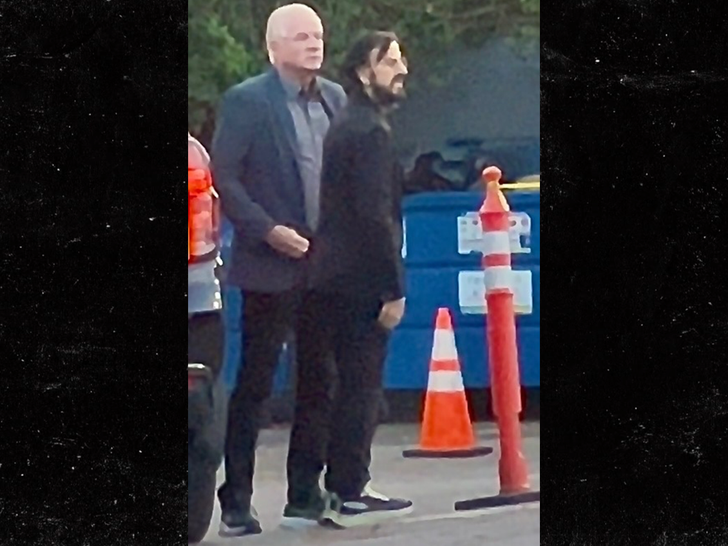
ringo starr backgrid

And in that setting, it became clear why Paul McCartney still resonates the way he does. Not because of nostalgia alone, but because the music—and the connection it creates—remains as powerful as ever.

0 Shares:
Leave a Reply

Your email address will not be published. Required fields are marked *

You May Also Like
Paul McCartney
Read More

“This Is Where It Started” — Paul McCartney Quietly Returns to a Small London Flat Far From Stadiums and Spotlights, Lowers Himself to the Floor With an Old, Worn Guitar, and Plays the Very First Chord He Ever Learned, Not to Relive the Past or Chase Nostalgia, but to Steady Himself in the Sound That Existed Before Fame, Before the Beatles, Before History Was Written, and Before the World Ever Knew His Name — a Private Moment That Reminds Us Even Legends Sometimes Go Back to the Beginning to Remember Who They Still Are

“This Is Where It Started.” — On a Return Visit to a Small London Flat, Paul McCartney Sat on the…
John Lennon
Read More

“We hadn’t really rehearsed.” In September 1969, while The Beatles still existed “on paper,” John Lennon walked onto the Toronto stage like a man with nowhere left to hide. No Paul to smooth the edges, no George to add colour, no Ringo to hold the centre — just a band thrown together in 24 hours: Eric Clapton, Klaus Voormann, Alan White… and Yoko Ono standing as an equal presence, not in the background. By most accounts, John was so terrified he vomited before going on. This wasn’t ordinary stage fright — it was something deeper: am I still enough without The Beatles? The set was rough, raw, sometimes shaky… but it was electric because for once the crowd wasn’t watching “Beatle John.” They were watching John Lennon, exposed and unfiltered, proving he could still stand on his own. And maybe right there — in that fear, and that survival — the “divorce” had already begun.

“WE HADN’T REALLY REHEARSED” — The Night John Lennon Faced the World Alone “WE HADN’T REALLY REHEARSED” —…
James McCartney
Read More

“HE’S PLAYED TO MILLIONS — BUT LAST NIGHT, PAUL MCCARTNEY HEARD ONE VOICE THAT MATTERED MOST.” Last night felt different. James McCartney stepped onto the stage, not to follow a legend, but to speak to his father. Paul McCartney sat quietly in the crowd. No spotlight. No wave. Just a man listening. When the first notes landed, Paul lowered his head. Not as a Beatle. Not as an icon. As a dad. The room softened. The air slowed. You could feel years of life sitting between every line. It wasn’t flashy. It didn’t need to be. It was a son saying thank you in the only language they share. Some moments don’t ask for applause. They ask to be remembered. He’s Played to Millions — But Last Night, Paul McCartney Heard One Voice That Mattered Most There are concerts that feel like events. Loud. Polished. Built for headlines. And then there are nights that feel smaller than the venue, even when the room is packed. Nights where the music isn’t trying to impress anyone. It’s trying to say something. That’s what people felt when James McCartney stepped onto the stage for a performance that wasn’t about legacy, records, or reputation. It was about one person sitting in the crowd: Paul McCartney. A Different Kind of Spotlight James McCartney didn’t walk out like he was chasing the weight of his last name. There was no attempt to copy Paul McCartney’s stage swagger, no nod to the biggest hits, no effort to turn it into a “Beatles moment.” Instead, he carried himself the way someone does when they’re about to say something personal. The kind of calm that looks confident on the outside, but you can tell it’s holding a lot underneath. And then, out there in the audience, Paul McCartney was just sitting. Not center stage. Not making it about himself. Not waving. Not soaking in attention. Just watching his son. That alone changed the temperature of the room. When the First Notes Landed As the first notes filled the space, something quiet happened. Paul McCartney lowered his head. Not dramatically. Not for show. Just a small movement that looked like a reflex. Like someone trying to hold back a feeling that arrived too fast. People noticed because everyone knows the public version of Paul McCartney. The legend. The songwriter. The man whose voice has been part of the soundtrack of millions of lives. But what the crowd saw in that moment wasn’t an icon reacting to a performance. It was a father reacting to his child. Not a Tribute for the World — A Message for One Person It’s easy to assume a night like this would be about reputation. About living up to a name. About trying to prove something. But what people felt was the opposite. This was a son speaking a kind of gratitude that doesn’t always fit into everyday words. When you grow up around a parent like Paul McCartney, you’re not just living with fame. You’re living with schedules, expectations, history, pressure, and the quiet parts the public never sees. Sometimes, the strongest “thank you” isn’t said across a dinner table. Sometimes it’s said through a song, where you can hide inside the melody for a few minutes and say everything you can’t say straight out. “That wasn’t just a song,” one fan wrote afterward. “That was understanding. That was respect. That was Paul McCartney’s story — returned to him by the person who knows him best.” The Room Didn’t Feel Like a Crowd Anymore As the performance continued, people said the venue felt strangely still. Phones weren’t flying up as much as you’d expect. There weren’t big reactions after every line. It wasn’t because the crowd wasn’t engaged. It was because they were listening differently. It felt like everyone understood they were witnessing something private in a public space. Like the song was creating a small circle, and somehow the entire room respected it. When the chorus swelled, time didn’t exactly stop. But it did slow down. There was no sense of “show.” No attempt to turn the moment into a viral clip. Just James McCartney singing as if he was aiming every word in one direction. And Paul McCartney receiving it. What People Will Remember Years from now, most people won’t remember what the lights looked like or what the setlist was. They’ll remember the small details. The way Paul McCartney didn’t try to take attention. The way he stayed quiet, like he didn’t want to interrupt whatever his son was giving him. The way his head dropped at the first notes, as if the music reached somewhere deep and familiar. That’s what makes moments like this stick. They aren’t built for applause. They’re built from real feeling. And when it ended, it didn’t feel like a “performance” so much as a message that finally landed where it was meant to. A Question That Lingers People left talking softly, like they didn’t want to break the mood too quickly. Because once you’ve seen something that honest, it makes you think about the people in your own life. How many times do we wait to say what we mean until we find the “right moment”? And what happens when the right moment shows up quietly, in the middle of a song, with no spotlight at all? Some nights aren’t about the crowd. Some nights are about one person in the audience — and the voice brave enough to sing straight to them.

He’s Played to Millions — But Last Night, Paul McCartney Heard One Voice That Mattered Most There are…