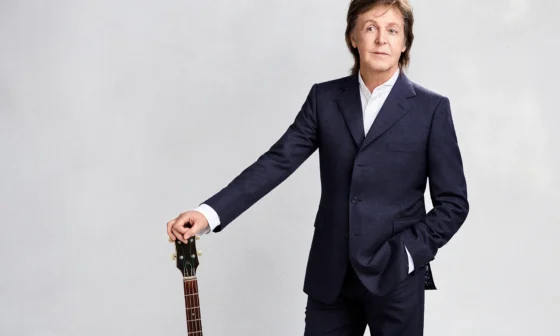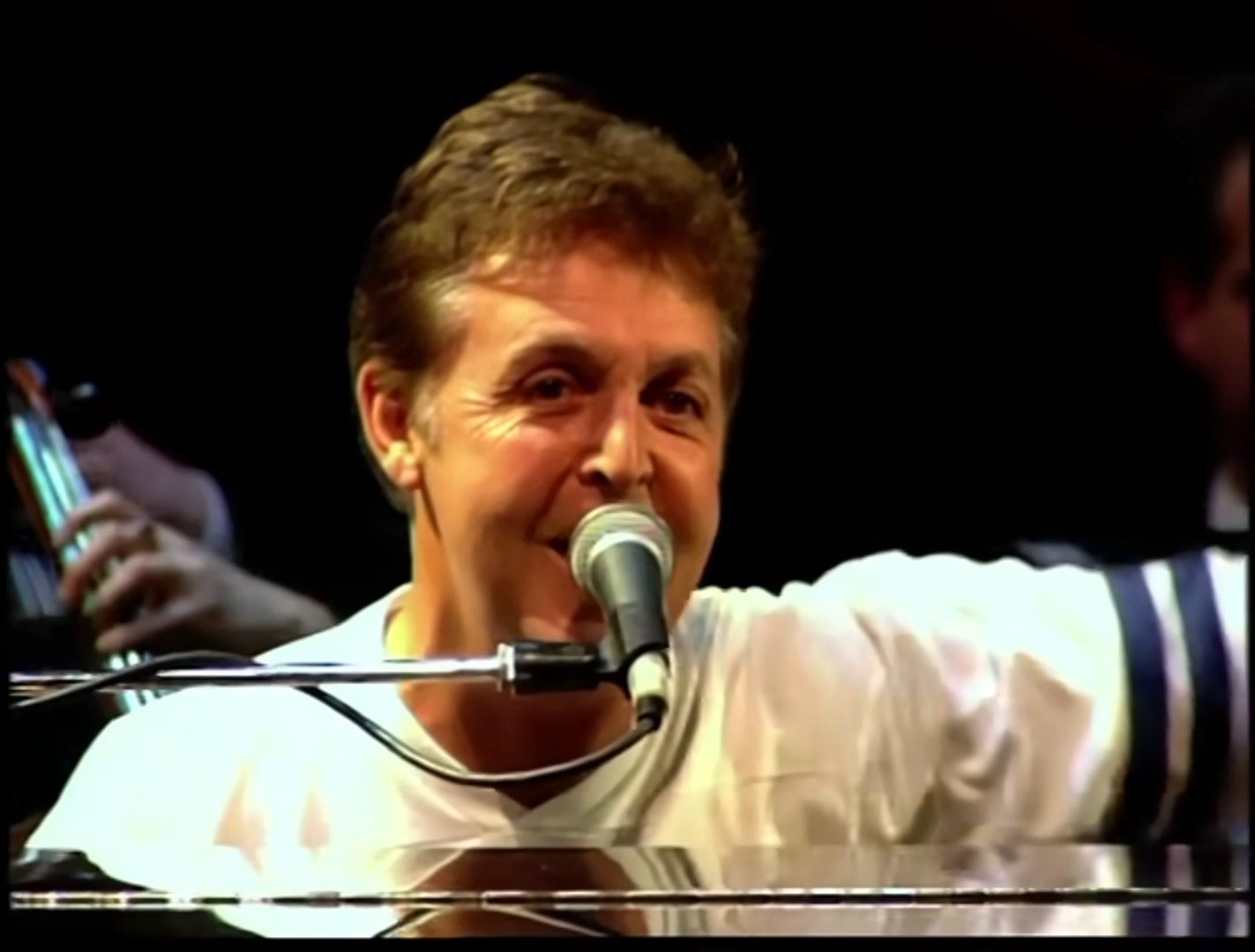
There are concerts, and then there are moments that feel almost unreal. When Paul McCartney took the stage at the Fonda Theatre, it quickly became clear that this would be the latter.
Known for headlining massive arenas and stadiums around the world, McCartney is no stranger to large-scale performances. But this show was different. The Fonda Theatre, with its intimate setting and close quarters, created a rare opportunity to experience a global icon in a way that felt personal—almost immediate.
From the opening moments, the connection between performer and audience was undeniable. McCartney didn’t just play songs; he invited the room into them. Each note carried a sense of history, not as something distant, but as something still alive and evolving.
The setlist reflected that legacy. When he launched into “Help!,” the crowd responded instantly, voices rising in unison. It was a reminder of how deeply the music of The Beatles remains woven into popular culture. Decades after its release, the song still resonates—not just as a classic, but as something timeless.
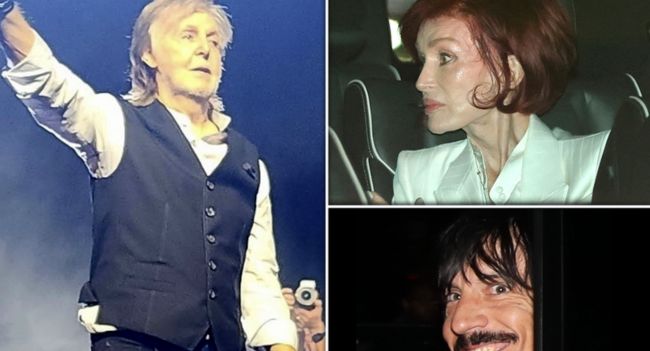
Then came “Band on the Run,” a track that showcased another side of McCartney’s career. Moving beyond his Beatles years, it highlighted his ability to reinvent himself while maintaining the melodic instincts that defined his earlier work. In the intimate setting of the Fonda, the song felt both expansive and immediate, its energy filling every corner of the room.
What made the performance especially striking wasn’t just the music—it was the way McCartney commanded the space. In a venue where every reaction is visible and every sound feels closer, there’s little room for distance between artist and audience. Yet he navigated it effortlessly, blending storytelling, humor, and musicianship in a way that felt natural.
For those in attendance, it wasn’t just about hearing familiar songs. It was about experiencing them differently. In a smaller venue, the layers of performance become more visible—the subtle expressions, the small interactions, the moments between songs. These are the details that often get lost in larger settings, but here, they became part of the experience.
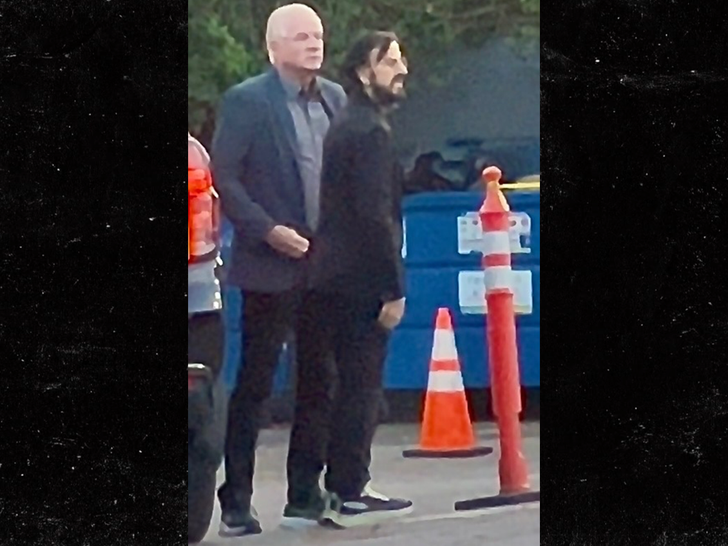
The audience itself reflected the breadth of McCartney’s influence. Longtime fans stood alongside younger listeners, all drawn by the same music. It’s a rare kind of reach—one that spans generations without losing its relevance.
That’s perhaps what defines McCartney’s legacy most clearly. It isn’t just about longevity or success, though he has both in abundance. It’s about connection. Whether performing for tens of thousands or a few hundred, he has a way of making the music feel personal.
As the night came to a close, there was a sense that something special had taken place—not just a concert, but a shared moment. In a career filled with historic performances, this one stood out for its simplicity.
No grand spectacle. No overwhelming production. Just a legendary artist, a room full of listeners, and songs that continue to matter.
And in that setting, it became clear why Paul McCartney still resonates the way he does. Not because of nostalgia alone, but because the music—and the connection it creates—remains as powerful as ever.