Before the sold-out arenas, before the international tours, and before their name became known far beyond Italy, there were just three teenagers with a shared passion—and a style many believed no longer belonged.
Il Volo began as something unusual in a modern music landscape. While pop, hip-hop, and electronic sounds dominated the charts, they leaned into operatic tradition. Their voices—rich, controlled, and emotionally expansive—stood in contrast to what the industry often expected from young performers.
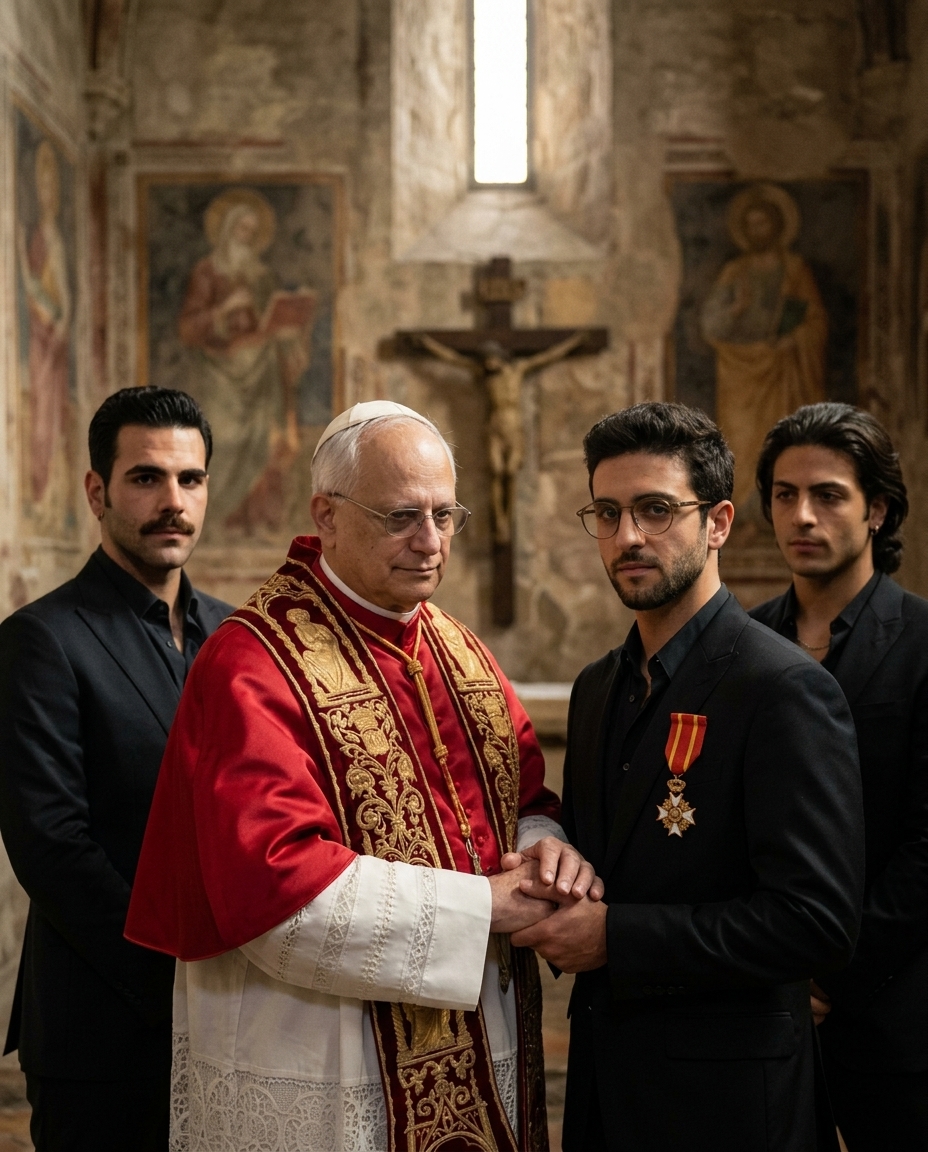
They were 14, 16, and 17 when they first stepped into the spotlight. At an age when most artists are still discovering their identity, they already knew who they were musically. And that certainty became both their strength and their challenge.
Early on, they heard the same advice repeatedly: adapt or be left behind. Industry voices suggested they tone things down—sing more quietly, choose more contemporary material, and reshape their image to fit expectations. The message was clear: what they were doing didn’t belong in the present.
But they didn’t follow that advice.
Instead, they leaned further into what made them different. They embraced the dramatic crescendos, the emotional delivery, and the deep connection to Italian musical heritage. Rather than stepping away from their roots, they made those roots the foundation of everything they did.
It wasn’t an easy path. Recognition came gradually, built performance by performance. Small stages gave way to larger ones, and audiences began to respond—not despite their style, but because of it. There was something refreshing about their refusal to conform, something genuine in the way they carried themselves.
As their following grew, so did the scale of their performances. The transition from intimate venues to major concert halls marked a turning point. What once felt like a risk began to look like a defining choice.
And then came one of the most significant nights of their journey.
Standing before one of the largest crowds they had ever faced, the weight of everything they had been told—and everything they had chosen to ignore—seemed to gather in that single moment. Years of doubt, of being told “no,” of being encouraged to change, all led to this stage.
When they began to sing, the response was immediate.
The same powerful voices that had once been questioned now filled the space with confidence. The audience didn’t just listen—they reacted, visibly moved by the performance. It was the kind of moment that artists spend years working toward, yet can never fully predict.
For those watching, it wasn’t just about the music. It was about the journey behind it. The persistence, the belief, and the decision to remain authentic in the face of pressure all came together in a way that felt undeniable.
That night became more than just another performance. It became a statement.
It showed that there is still space for tradition in a changing world. That audiences are open to something different when it’s delivered with sincerity. And that sometimes, the very qualities people are told to hide are the ones that resonate most deeply.
Today, Il Volo continues to perform for audiences around the world, carrying with them the same commitment they started with. Their story is a reminder that success doesn’t always come from fitting in—it can come from standing firm.
And for those who were there on that unforgettable night, it was clear: opera wasn’t fading. It was simply waiting for voices willing to believe in it.