
Introduction
In 1969, Linda Ronstadt was not yet the polished superstar the world would later crown as one of the greatest female vocalists of all time. She was something far more dangerous — a fearless young woman standing at the crossroads of folk, rock, and raw emotional truth. Her performance of Break My Mind captures a moment when Ronstadt wasn’t chasing perfection — she was chasing honesty, no matter how much it hurt.
Originally written by John D. Loudermilk, “Break My Mind” had been recorded before, but never like this. Ronstadt didn’t simply sing the song — she exposed it. Her voice trembles between restraint and release, sounding less like a studio-polished artist and more like someone confessing a secret she could barely carry. In 1969, when female singers were often expected to sound pleasant, controlled, and emotionally “safe,” Ronstadt dared to sound wounded.
This performance is shocking not because of volume or theatrics, but because of its vulnerability. Ronstadt sings about emotional collapse with a clarity that feels almost intrusive, as if the listener is overhearing a private breakdown. There is no melodrama, no vocal tricks — just a steady voice cracking under the weight of longing and emotional exhaustion. It’s heartbreak without glamour, pain without apology.
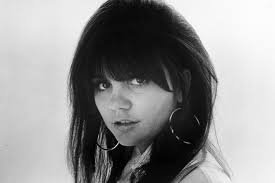
Visually and sonically, the 1969 era Ronstadt is stripped down. No grand staging. No diva persona. Just a young woman with long hair, a quiet intensity in her eyes, and a voice that refuses to lie. This was a time when she was still carving her identity after The Stone Poneys, still fighting to be taken seriously in a male-dominated rock world. And in “Break My Mind,” you can hear that struggle — not as frustration, but as determination.
What makes this performance truly sensational is hindsight. Knowing what Ronstadt would later become — a chart-topping powerhouse across rock, country, pop, and Latin music — this early performance feels prophetic. The emotional risk she takes here becomes the foundation of her career. She wasn’t just singing songs; she was building a reputation as a vocalist unafraid to feel everything.
“Break My Mind” is not an easy listen. It’s not meant to be. It’s a reminder that great artists are often born not from confidence, but from courage — the courage to let the world hear you when your heart is breaking. In 1969, Linda Ronstadt didn’t just perform a song. She drew a line in the sand and proved that emotional truth could be louder than any scream.
Video




