Some performances entertain. Others remind the world why an artist became a legend in the first place. When Paul McCartney stepped onto the stage for the 50th Anniversary of Saturday Night Live, it quickly became clear that this would be one of those rare, unforgettable moments.
At 82, McCartney carries with him more than six decades of musical history. Yet there was nothing routine about this appearance. From the very first notes, the atmosphere shifted into something reverent, almost cinematic, as he began a medley rooted in one of the most celebrated chapters of his career.
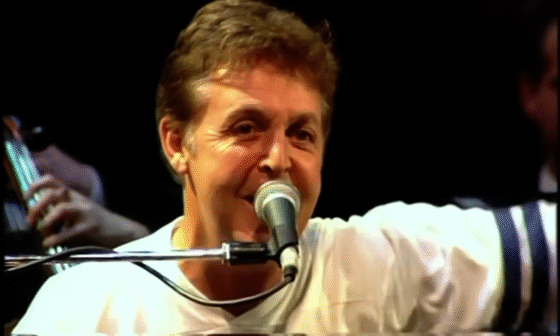
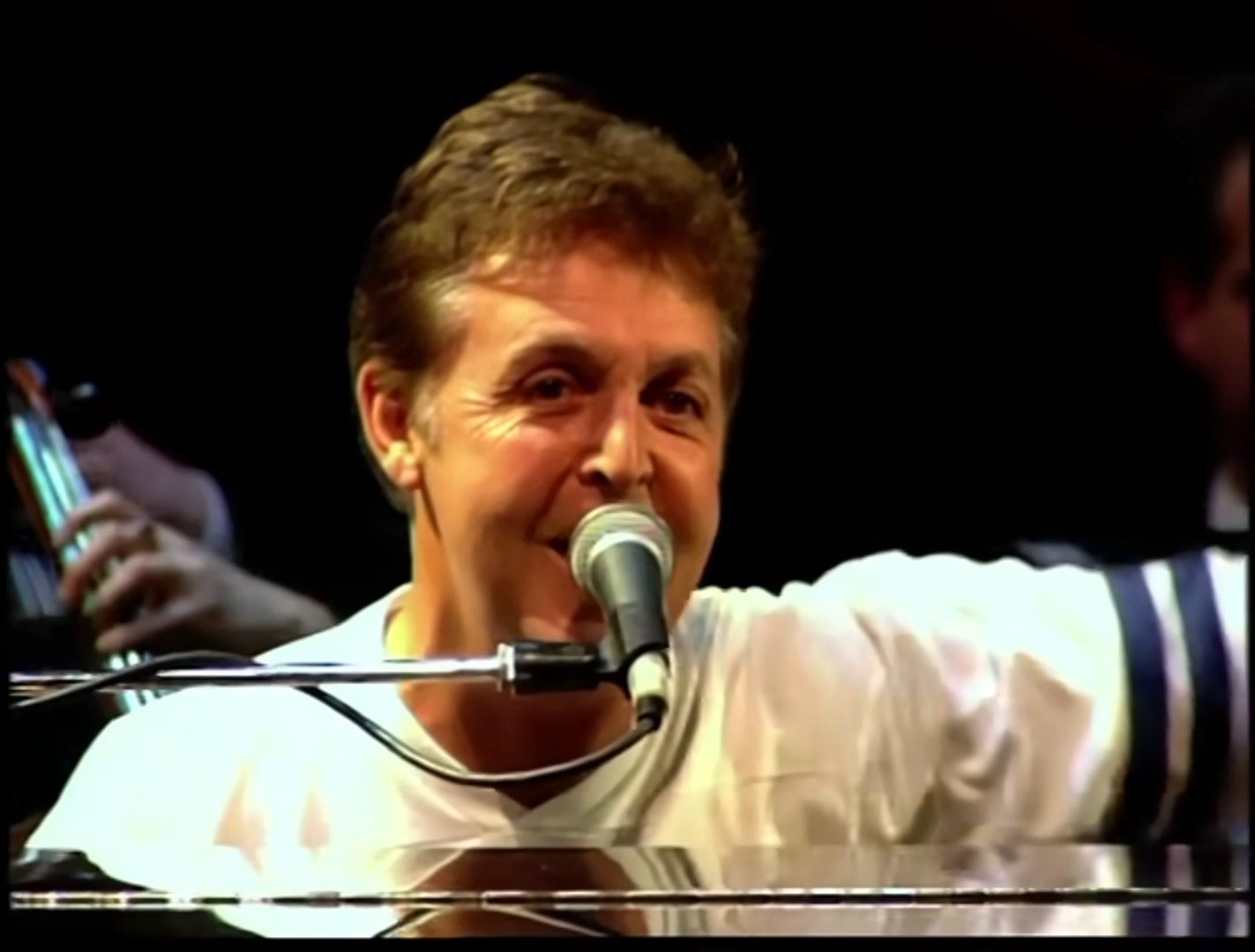
Drawing from The Beatles’ iconic Abbey Road, McCartney performed “Golden Slumbers,” “Carry That Weight,” and “The End”—a sequence that has long been cherished by fans as one of the band’s most emotional musical arcs. Seated at the piano, he delivered the opening with quiet control, his voice carrying both age and depth, adding new meaning to familiar lyrics.
There was a sense of anticipation in the room, as if everyone knew they were witnessing something special, but weren’t quite sure how far it would go.
Then came the shift.
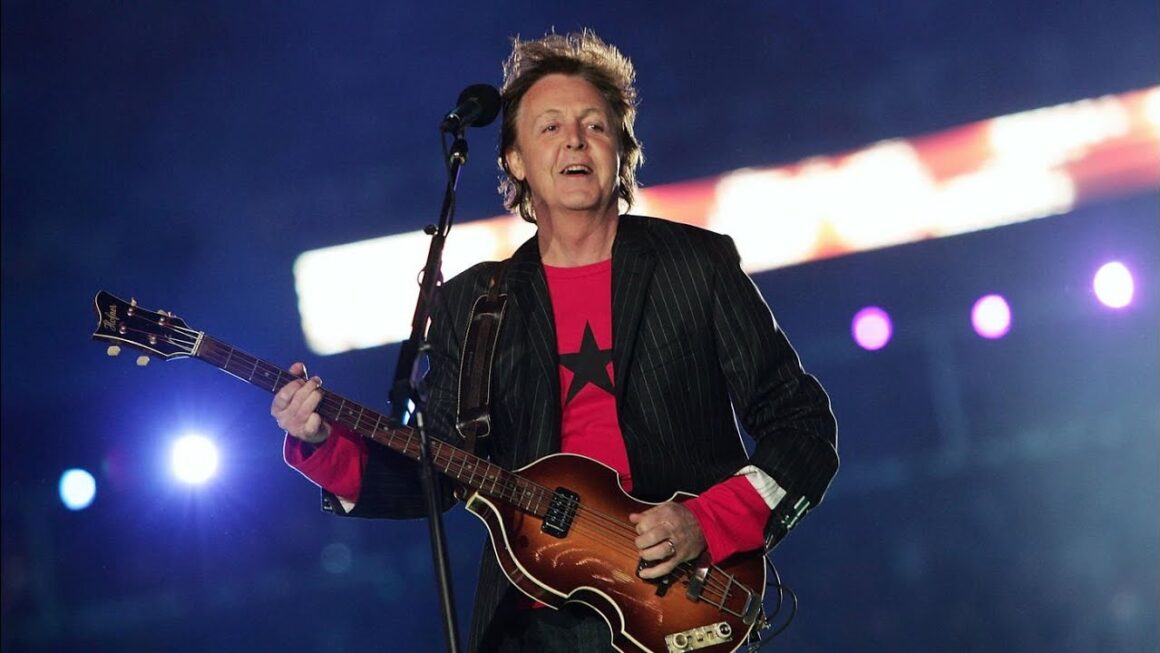
As the medley moved into its final phase, McCartney stood, reached for his guitar, and transformed the performance entirely. The transition wasn’t just musical—it was symbolic. In that instant, the reflective tone gave way to something more urgent, more electric. It was a reminder of the energy that once defined an era and continues to echo through generations.
When he launched into “The End,” the performance reached its peak. The guitar work—sharp, expressive, and full of feeling—cut through the room with surprising force. It wasn’t about technical perfection; it was about connection. Every note carried decades of experience, memory, and passion.

For longtime fans, the moment felt like a bridge between past and present. The same artist who helped shape the sound of the late 1960s was now standing on a modern stage, delivering that spirit with undiminished conviction. It was both nostalgic and immediate, honoring history while proving its relevance.
The audience responded in kind. There was no need for spectacle or elaborate staging. The music itself was enough. Applause swelled, not just in appreciation of the performance, but in recognition of everything it represented.
![Paul McCartney - Golden Slumbers/Carry That Weight/The End [Live in Amsterdam - 07-06-2015]](https://i.ytimg.com/vi/5I0Ou1gAOtk/maxresdefault.jpg)
What made the moment truly powerful was its authenticity. McCartney didn’t rely on theatrics or reinvention. Instead, he leaned into the songs, trusting their emotional weight and his own enduring connection to them. The result was a performance that felt honest, unfiltered, and deeply human.
As the final notes rang out, it became clear that this was more than just a highlight of a milestone television event. It was a statement—one that reaffirmed McCartney’s place not just in music history, but in its living, evolving present.

For a few minutes on that stage, time seemed to fold in on itself. And in that space, Paul McCartney reminded everyone exactly why his music still matters.