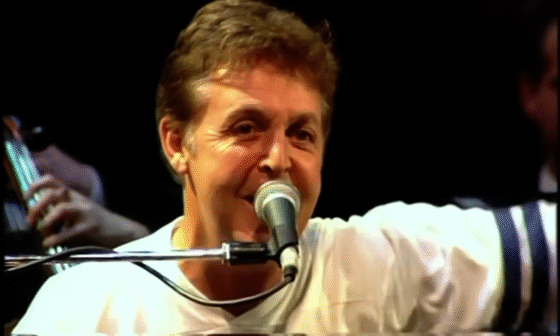
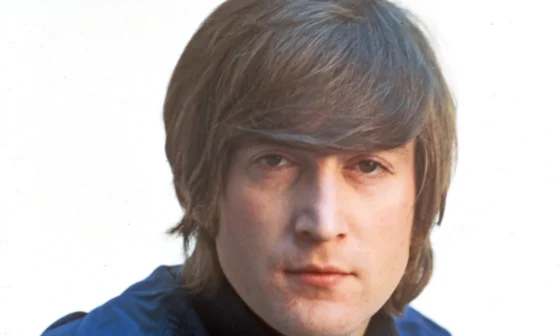
For an artist whose influence on modern music is immeasurable, Sir Paul McCartney’s new album The Boys of Dungeon Lane feels less like another release and more like a long‑awaited conversation. At 83, McCartney has crafted a record that stretches beyond melody and rhythm to embrace something much more intangible: memory itself.
From the first notes of the lead single Days We Left Behind, there’s a sense that this is not simply music, but a portal. McCartney’s voice, seasoned by time yet still resonant with sincerity, carries listeners back to the sunlit streets of his youth — to Forthlin Road in Liverpool, where dreams were as wide as the open sky and every chord struck on a battered guitar felt like a declaration of intent.
The album does not shy away from nostalgia. Rather, it wears its reflective heart on its sleeve. McCartney himself seems to acknowledge this openly when he muses, “Am I simply writing about what’s gone? But when memory is your breath, what else could I write?” That question feels like the thematic backbone of the project. Here is a man who has lived through the swinging ’60s, global superstardom with The Beatles, decades of solo exploration, and countless reinventions — and yet he returns insistently to the place where it all began.
Liverpool is more than a backdrop on The Boys of Dungeon Lane. It is a living, breathing character in the story. McCartney recalls the city’s challenges — its poverty, its narrow streets, its crowded homes — but also its warmth and spirit. It was in those humble surroundings that he and John Lennon first voiced the cracks and curiosities that would later widen into cultural transformation. Their early rehearsals were described as “clumsy” and “joyful,” set in cramped rooms where they “didn’t have much,” yet somehow had everything that mattered: friendship, ambition, and the vibrant humanity of people who believed in each other.

This emotional honesty gives the album its weight. In tracks like Sunlit Corners and Back When We Were Young, McCartney doesn’t romanticize the past so much as reinhabit it. He invites listeners to feel the texture of moments that once seemed ordinary, now rendered extraordinary through the lens of time. There’s a universality in that perspective — the bittersweet longing for days left behind resonates with anyone who has ever looked back and felt both comfort and ache.
But for all its warmth, the album holds a compelling mystery: the significance of Dungeon Lane. It’s a quiet, unnamed alley in Liverpool, unremarkable to most, yet McCartney has placed it at the emotional center of this record. What happened there? Why does this small stretch of pavement carry such weight after more than six decades? Throughout the album, hints unfold — a shared glance, a whispered memory of Lennon, an unspoken revelation embedded in a chord progression — suggesting that Dungeon Lane holds a story McCartney has carried quietly, until now.

Music fans will find in The Boys of Dungeon Lane more than songs; they’ll uncover layers of narrative, reflection, and emotional bravery. It’s a work that honors the past without being trapped by it, that celebrates youthful hope while acknowledging the passage of time. Above all, it’s a testament to the enduring power of memory — and to the way music, at its best, can make the past feel breathtakingly present once more.
👇 Listen to Days We Left Behind and dive into the mystery of Dungeon Lane — the heart and soul of Paul McCartney’s most personal record yet.