In early 1996, something unexpected happened in the story of The Beatles—a story many believed had already reached its final chapter. Without grand promotion or dramatic buildup, a new song emerged: “Real Love.” But this wasn’t just another release. It was something far more intimate.
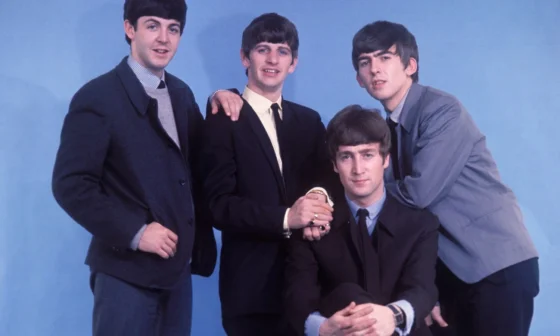
At the heart of the track was a home demo recorded years earlier by John Lennon. His voice, raw and unpolished, carried the kind of sincerity that defined much of his later work. Rather than attempting to transform it into something entirely new, the remaining Beatles—Paul McCartney, George Harrison, and Ringo Starr—approached it with care and restraint.
The decision was simple but powerful: honor the original spirit of the recording.
Inside the studio, the process was as much emotional as it was technical. Lennon’s voice, lifted from an old cassette, became the center of everything. Around it, McCartney, Harrison, and Starr added their parts—guitars, harmonies, subtle touches that didn’t overpower but instead supported what was already there.
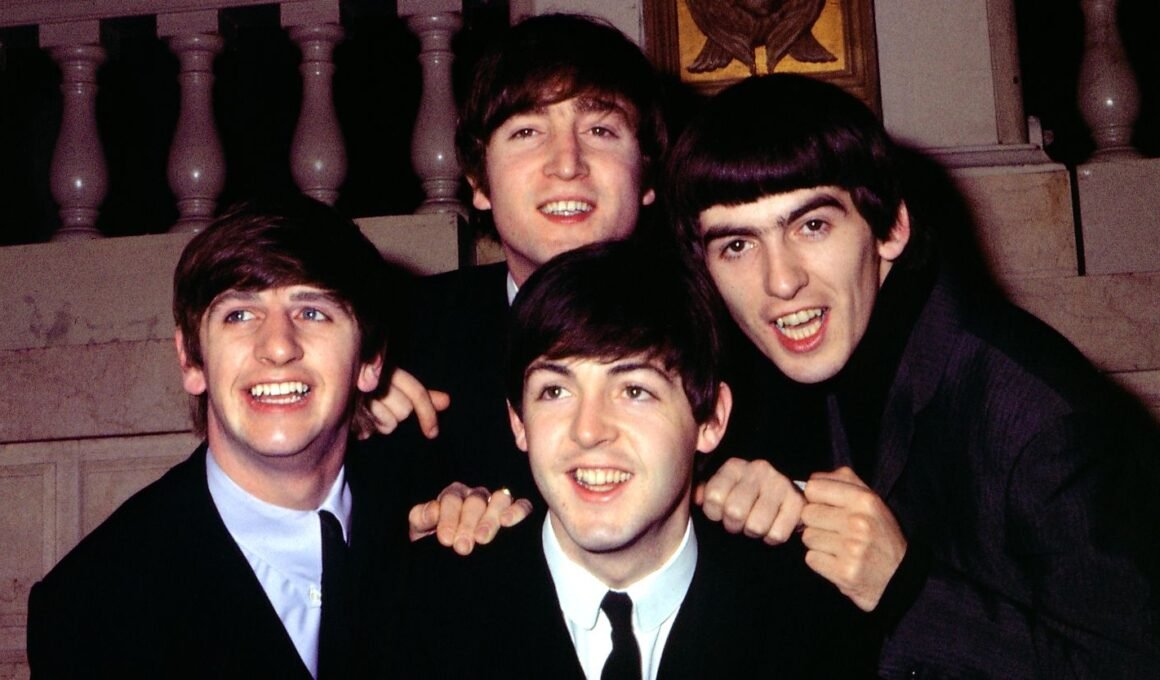
Those who have reflected on the sessions often describe a unique atmosphere. There was warmth, a sense of reunion, but also an unspoken awareness of absence. Lennon wasn’t physically present, yet his voice guided every decision. It was as if the band was, for a brief moment, whole again.
That balance—between presence and absence—is what gives “Real Love” its lasting emotional impact.
When the song was released on March 4, 1996, it didn’t arrive with the weight of a grand statement. There was no attempt to redefine The Beatles or to create a dramatic final chapter. Instead, it felt quiet, almost understated. And that was precisely its strength.
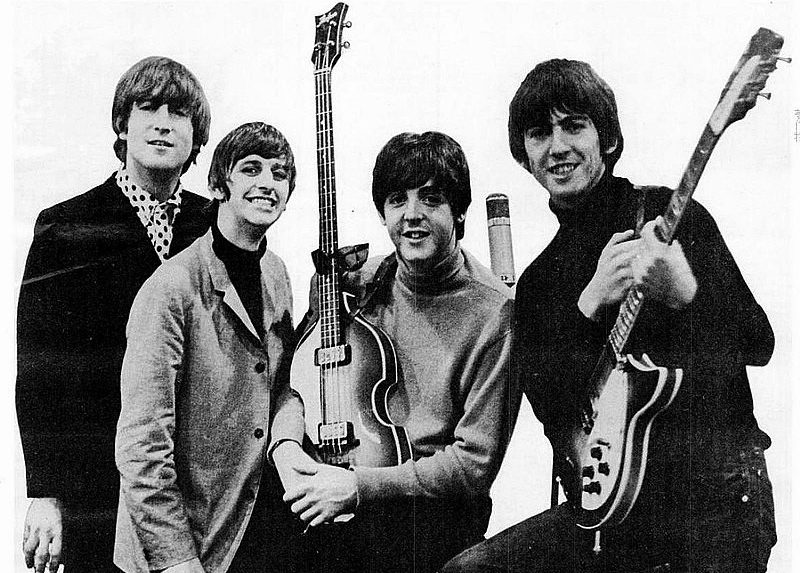
Listeners didn’t just hear a song—they felt a connection. For longtime fans, it was a reminder of what made The Beatles so unique in the first place: not just the music, but the bond between four individuals who created something greater than themselves.
“Real Love” also stood apart because it didn’t try to resolve the past. It didn’t offer closure in the traditional sense. Instead, it acknowledged that some connections don’t need endings—they simply continue, in different forms.
Over time, the song has come to represent more than a reunion. It’s a reflection of how music can bridge gaps that time and loss create. By choosing to preserve Lennon’s voice as it was—imperfect, intimate, human—the band allowed listeners to experience something genuine.
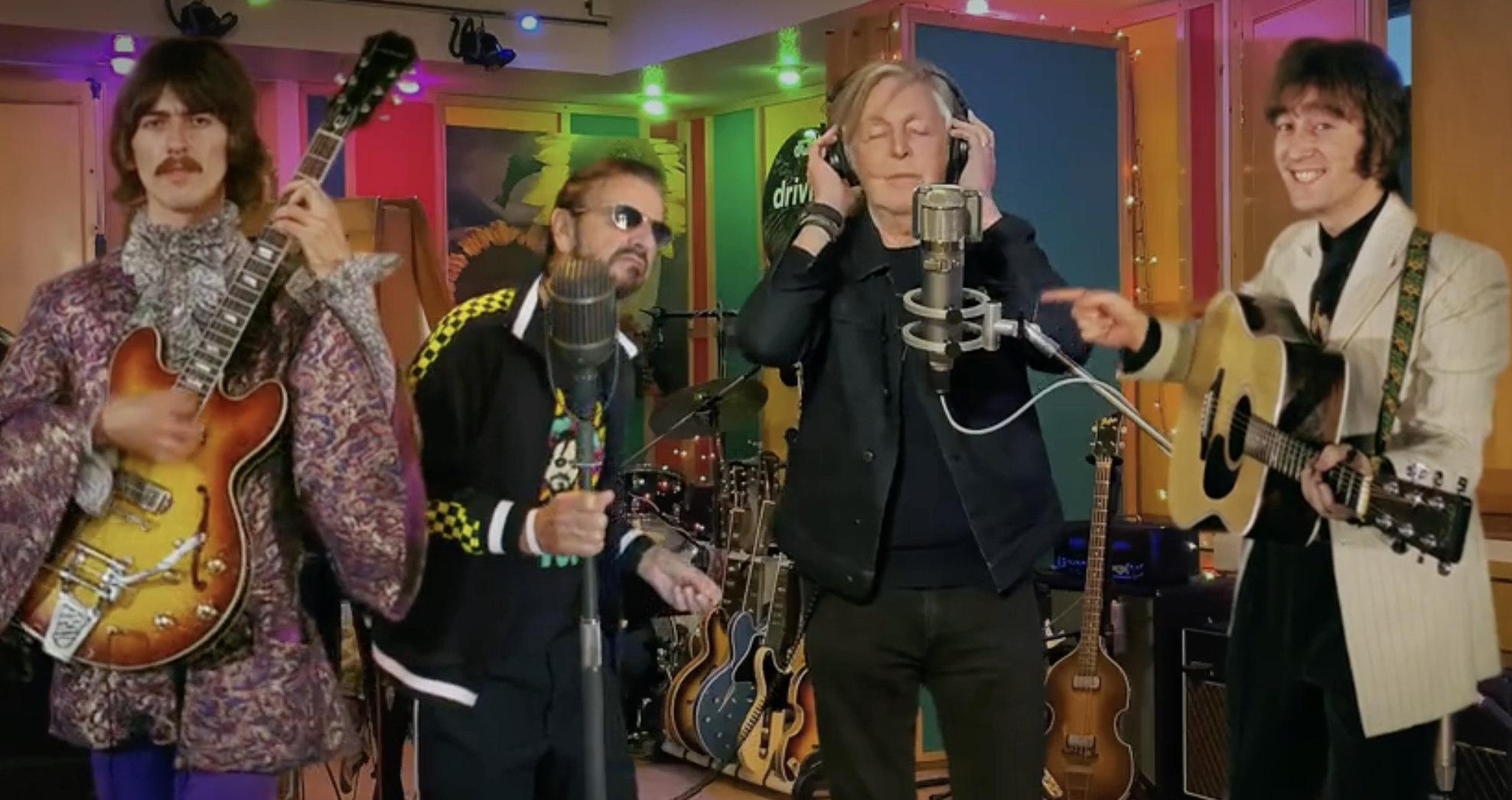
In the end, “Real Love” wasn’t about revisiting glory or reclaiming a legacy. It was about respect, memory, and quiet collaboration across time.
Not a farewell.
But a reminder.