There’s something quietly powerful about a steady rhythm. It doesn’t demand attention the way a soaring melody or a sharp lyric might—but without it, the entire structure begins to drift. In the story of The Beatles, that rhythm has always had a name: Ringo Starr.
In 2026, as music continues to evolve through artificial intelligence, streaming algorithms, and ever-shifting trends, Starr’s presence feels almost defiant. He represents something elemental—timing, feel, restraint—the kind of musicianship that can’t be easily replicated or programmed.

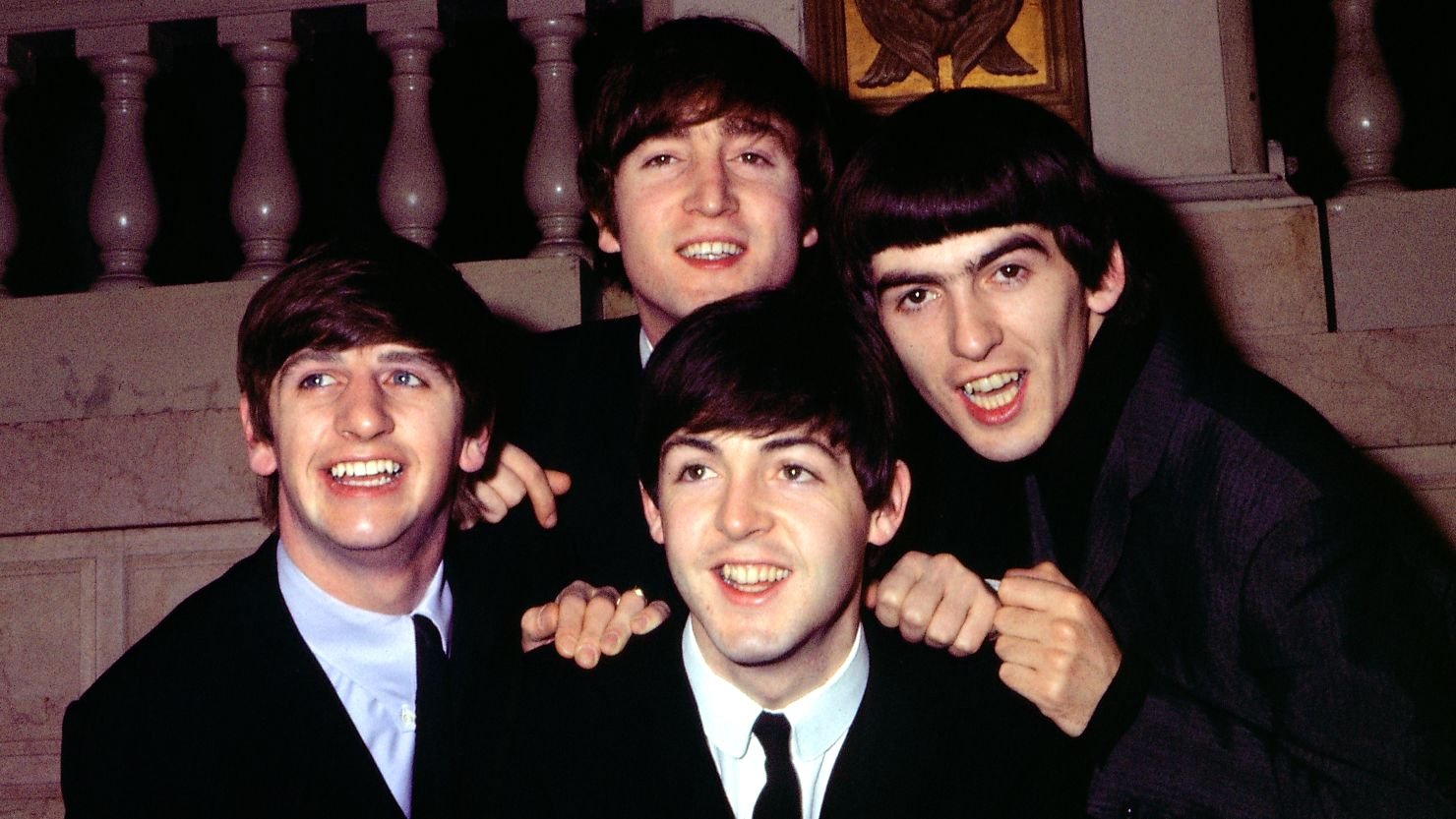
A recently resurfaced photograph from the late 1960s has brought that idea back into focus. The image is simple: four young men—John Lennon, Paul McCartney, George Harrison, and Starr—seated shoulder to shoulder on a modest corduroy couch. No grand stage, no instruments in hand, no obvious sign of the cultural shift they were in the middle of creating.
And yet, decades later, the image has sparked a familiar question: who is still listening to The Beatles today?
The answer, it seems, is everywhere.
Streaming platforms continue to introduce new generations to their catalog. Vinyl reissues sell out. Songs recorded over half a century ago still find their way into films, playlists, and everyday moments. The Beatles aren’t just remembered—they’re actively experienced.

Within that legacy, Starr’s role has undergone a quiet reevaluation. For years, he was often described in dismissive terms—the “lucky” Beatle, the one who happened to be in the right place at the right time. It’s a narrative that never quite matched the music itself.
Listen closely, and a different story emerges.
Starr’s drumming wasn’t about technical showmanship. It was about feel. His parts were deliberate, often understated, but always exactly what the song needed. He had a way of anchoring the unpredictable energy of Lennon while giving McCartney’s melodies room to breathe. It’s a balance that’s harder to achieve than it sounds—and one that helped define The Beatles’ unmistakable sound.
That’s part of what makes the rediscovered photograph so compelling. Beyond the nostalgia, fans and historians have begun to notice small details—posture, positioning, subtle expressions. There’s a growing fascination with what those details might reveal about the group dynamic at the time.

One particular element, long overlooked, has recently sparked discussion. It’s not dramatic or obvious, but it hints at the relationships within the band—the unspoken roles each member played, both musically and personally. For devoted fans, it’s another piece of a puzzle that continues to evolve even decades later.
In many ways, that’s the enduring magic of The Beatles. Their story isn’t fixed. It shifts and deepens as new perspectives emerge, as old artifacts resurface, and as listeners bring their own experiences to the music.
And at the center of it all, still keeping time, is Ringo Starr.
Not as the “lucky” one. Not as the overlooked member. But as the steady pulse—the quiet force that held everything together then, and continues to resonate now.
Because while sounds may change and technology may advance, the need for a human heartbeat in music remains constant. And that’s something no algorithm can replace.