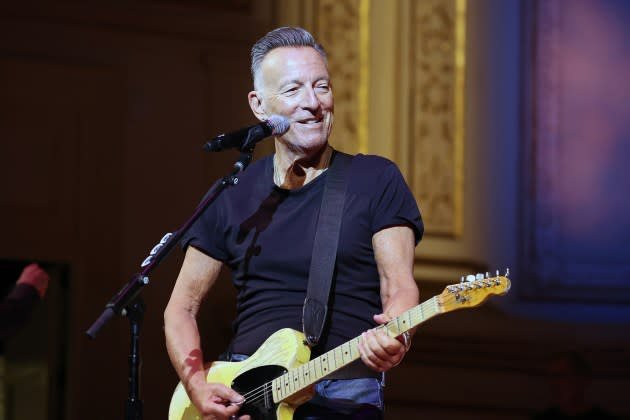
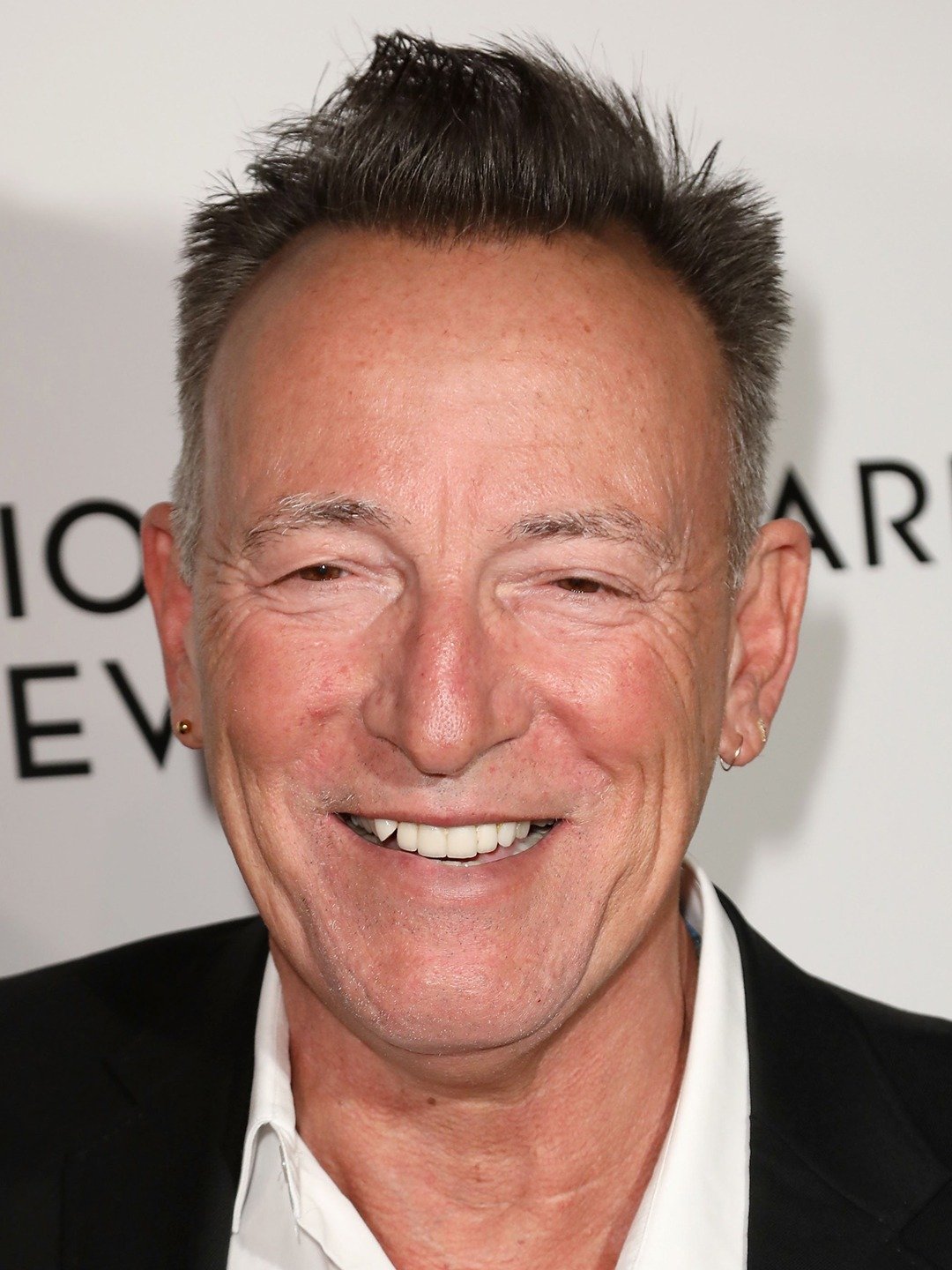
A wave of online attention has emerged following circulating posts that attribute strong political remarks to Bruce Springsteen regarding Donald Trump. The claims suggest that the legendary musician used unusually direct language during a recent interview or public conversation, expressing concern about the current direction of U.S. governance.
However, as of now, these statements remain unverified. No official transcript, full interview recording, or confirmed media report has been presented to substantiate the specific wording being widely shared online. The story appears to have originated from secondary posts and rapidly circulated through social platforms, where political and celebrity content often gains traction quickly.

Springsteen has long been known for engaging with themes related to American life, working-class struggles, and national identity through his music. Because of this, public interest in his political views is consistently high, and even partial or unverified quotes can spread widely when they appear online.
In this case, the alleged remarks being shared have sparked divided reactions. Some users have interpreted the claims as a continuation of previous instances where artists have voiced opinions about political leadership. Others have urged caution, emphasizing the importance of distinguishing between confirmed interviews and unattributed summaries circulating on social media.

As with many viral political stories involving public figures, the lack of primary sourcing is central to the uncertainty. Without verified footage or an official statement from Springsteen or his representatives, it is not possible to confirm the accuracy of the wording attributed to him.
This situation also reflects a broader trend in the digital information landscape, where short clips, paraphrased quotes, or incomplete context can quickly evolve into widely shared narratives. In politically sensitive environments, such content often spreads faster than it can be fact-checked, leading to polarized interpretations before verification is complete.
It is also worth noting that artists of Springsteen’s stature frequently become focal points in political discussions due to their cultural influence. As a result, both accurate statements and unverified claims attributed to them can gain significant attention, regardless of their authenticity.
At present, there is no confirmed evidence supporting the exact quotes circulating online. Until reliable sources provide full context, the claims should be treated as unverified and interpreted with caution.
The situation continues to develop online, but the key question remains unchanged: what was actually said, in what context, and whether the circulating version reflects the original discussion accurately.
Until those details are clarified, the most responsible approach is to distinguish between confirmed reporting and viral interpretation — especially when dealing with high-profile political figures and globally recognized artists.