For decades, Bruce Springsteen wasn’t just a rock star — he was a storyteller for the working class. From factory floors to small-town streets, his songs carried the voices of people often left out of the spotlight. Albums like Born to Run and Born in the U.S.A. turned everyday struggles into anthems, building a bond between artist and audience that felt deeply personal.
That bond is why the current conversation surrounding Springsteen feels so different — and for some fans, unexpectedly complicated.

It didn’t happen all at once. Instead, the shift has been gradual, almost subtle at first. A tour announcement here, a pricing decision there. But over time, those moments began to add up. Ticket prices for recent shows became a focal point, with many fans expressing frustration that attending a concert now feels out of reach. For an artist long associated with accessibility and authenticity, the optics struck a nerve.
Still, it’s not just about cost. Fans have also been reflecting on the overall concert experience. Some say the atmosphere feels less intimate than it once did, even in large arenas where Springsteen built his reputation for marathon, high-energy performances. Others point to changes in setlists or tour structure — small details, perhaps, but meaningful to those who have followed him for years.
What makes this moment stand out is the emotional layer beneath it. Springsteen’s music has always been about connection — about seeing yourself in the stories he tells. When fans talk about feeling a shift, they’re not just critiquing logistics; they’re grappling with a sense that something personal has changed.
Of course, not everyone agrees. Many still defend Springsteen, noting that the music industry itself has transformed dramatically. Touring economics, production costs, and the realities of large-scale performances have all evolved. From that perspective, the changes aren’t a departure from his values but a reflection of the world artists now operate in.
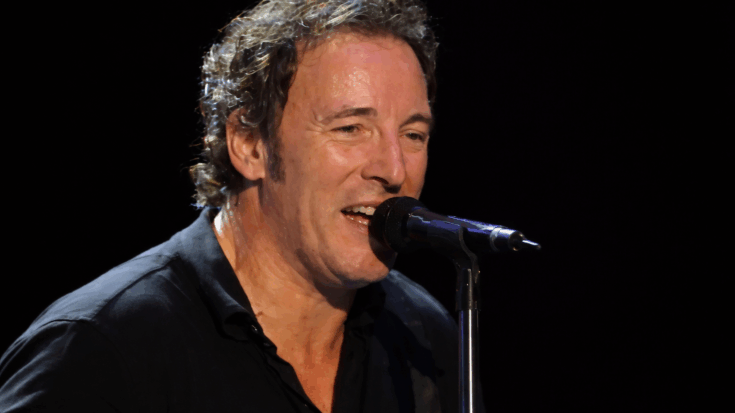
And on stage, the core of what made Springsteen iconic still shines through. His voice, his energy, and his commitment to performing remain undeniable. Night after night, he continues to deliver shows that, for many, are as powerful as ever.
But the conversation persists because Springsteen has always been held to a different standard. He wasn’t just another performer — he was “The Boss,” a symbol of something bigger than music. When expectations are that high, even small changes can feel significant.
In the end, this moment isn’t just about criticism or praise. It’s about the evolving relationship between an artist and the people who grew up with his songs. Fans aren’t simply turning away; many are trying to reconcile the artist they’ve long admired with the realities of today.
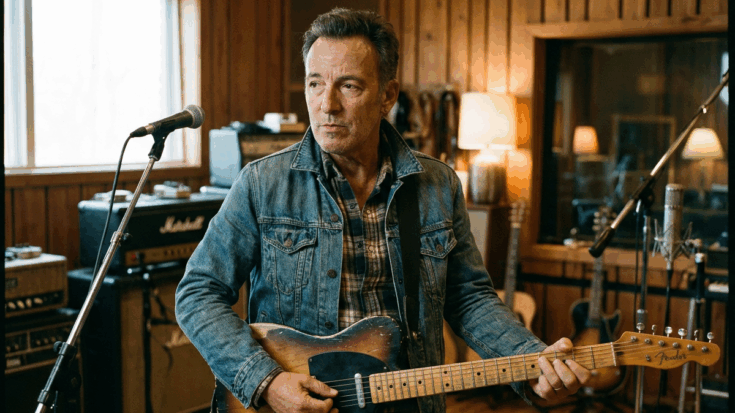
Legacies, after all, aren’t fixed. They grow, shift, and sometimes challenge the very ideas that built them. For Bruce Springsteen, that evolution is now part of the story — one that fans are still listening to, even as they question where it’s headed next.