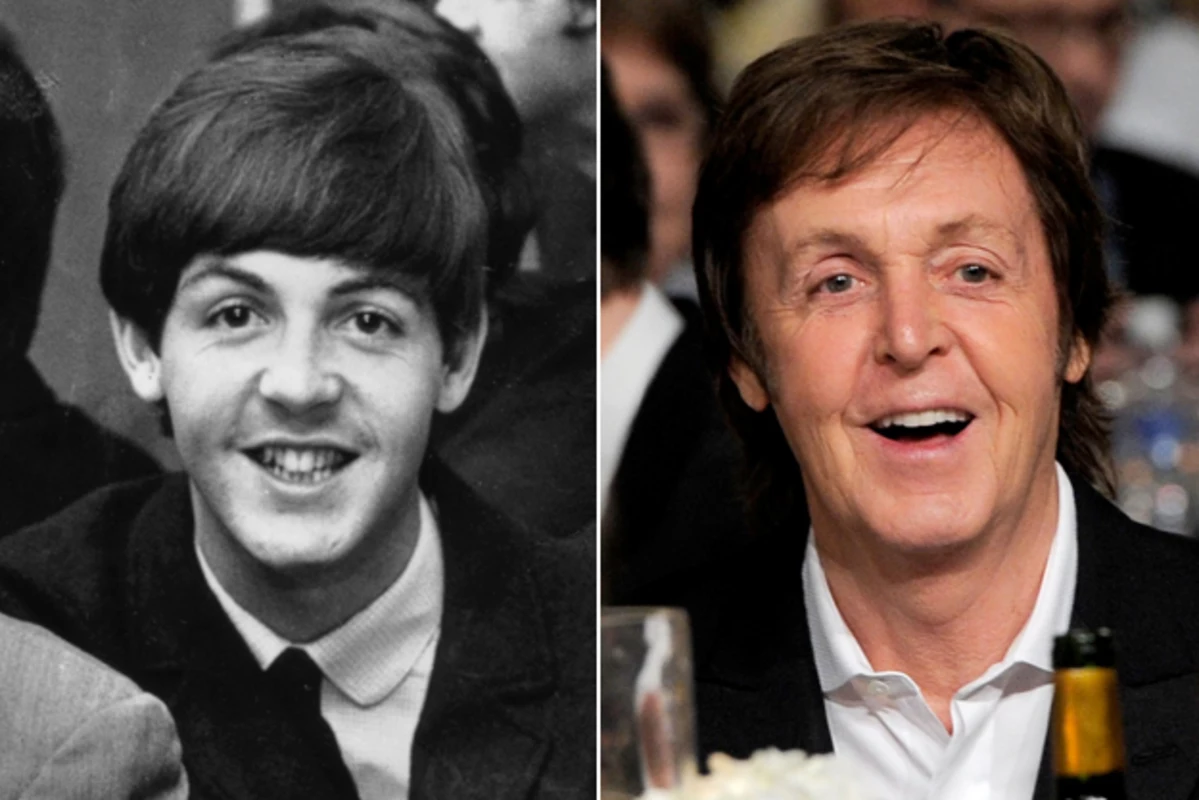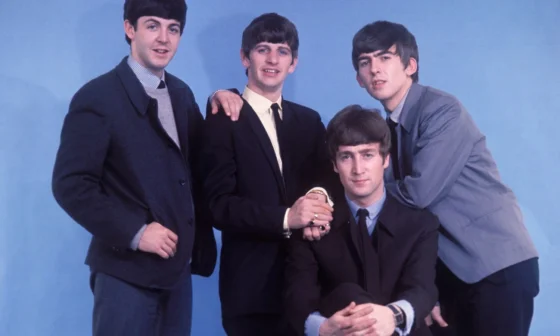
For millions of fans, the story of The Beatles is one of creativity, revolution, and timeless music. But at its heart, it is also the story of a friendship—complex, evolving, and deeply human. And for Paul McCartney, that story carries a chapter that still feels unfinished.
On December 8, 1980, the world lost John Lennon in an act of violence that stunned not just the music community, but the entire world. For McCartney, the news was almost impossible to comprehend. Over the years, he has described the moment as surreal, something that never fully settled into reality. The shock wasn’t just about losing a musical partner—it was about losing someone who had been central to his life since his youth.
Their relationship had not always been easy. After the Beatles disbanded in 1970, tensions between McCartney and Lennon became public, marked by sharp words and emotional distance. For a time, it seemed as though their bond had been overshadowed by disagreement and misunderstanding.
But like many long friendships, theirs was not defined by a single phase.
In the years before Lennon’s death, the two had begun to reconnect. The intensity of their earlier conflicts softened, replaced by something quieter and more reflective. It wasn’t a dramatic reconciliation played out in public—it was gradual, personal, and real.
At the center of this renewed connection was a simple but meaningful moment: a phone call.
McCartney has often spoken about their final conversation, describing it as warm, relaxed, and filled with the kind of ease that had once defined their friendship. There was no lingering bitterness, no unresolved argument. Instead, there was laughter, familiarity, and a sense that, despite everything, they had found their way back to each other.
That memory would become invaluable.

When Lennon died, the weight of grief could have been compounded by regret—by thoughts of things left unsaid or wounds left unhealed. But that final conversation changed everything. It gave McCartney something to hold onto, a reminder that their story had not ended in conflict, but in understanding.
It’s a quiet detail, yet it carries immense emotional significance. For McCartney, it represents closure in a situation where closure is almost impossible. It’s the difference between remembering a fractured relationship and remembering a restored one.
Fans often look for dramatic final words or hidden revelations, hoping for a single phrase that captures the depth of Lennon and McCartney’s bond. But the truth may be less about specific words and more about the feeling they shared in that moment.
A sense of peace. A sense of connection. A sense that, even after everything, the friendship remained intact.
Decades later, that bond continues to resonate—not just through the music they created together, but through the humanity of their story. It reminds us that relationships can endure conflict, that reconciliation is possible, and that sometimes, the most meaningful endings are the quiet ones.
For Paul McCartney, the loss of John Lennon will always be profound. But so, too, is the comfort of knowing that their final goodbye was not really a goodbye at all—just a conversation between two friends who, in the end, found their way back to each other.