Beyond the Spotlight: André Rieu, Andrea Bocelli, and the Private Side of a Public Life

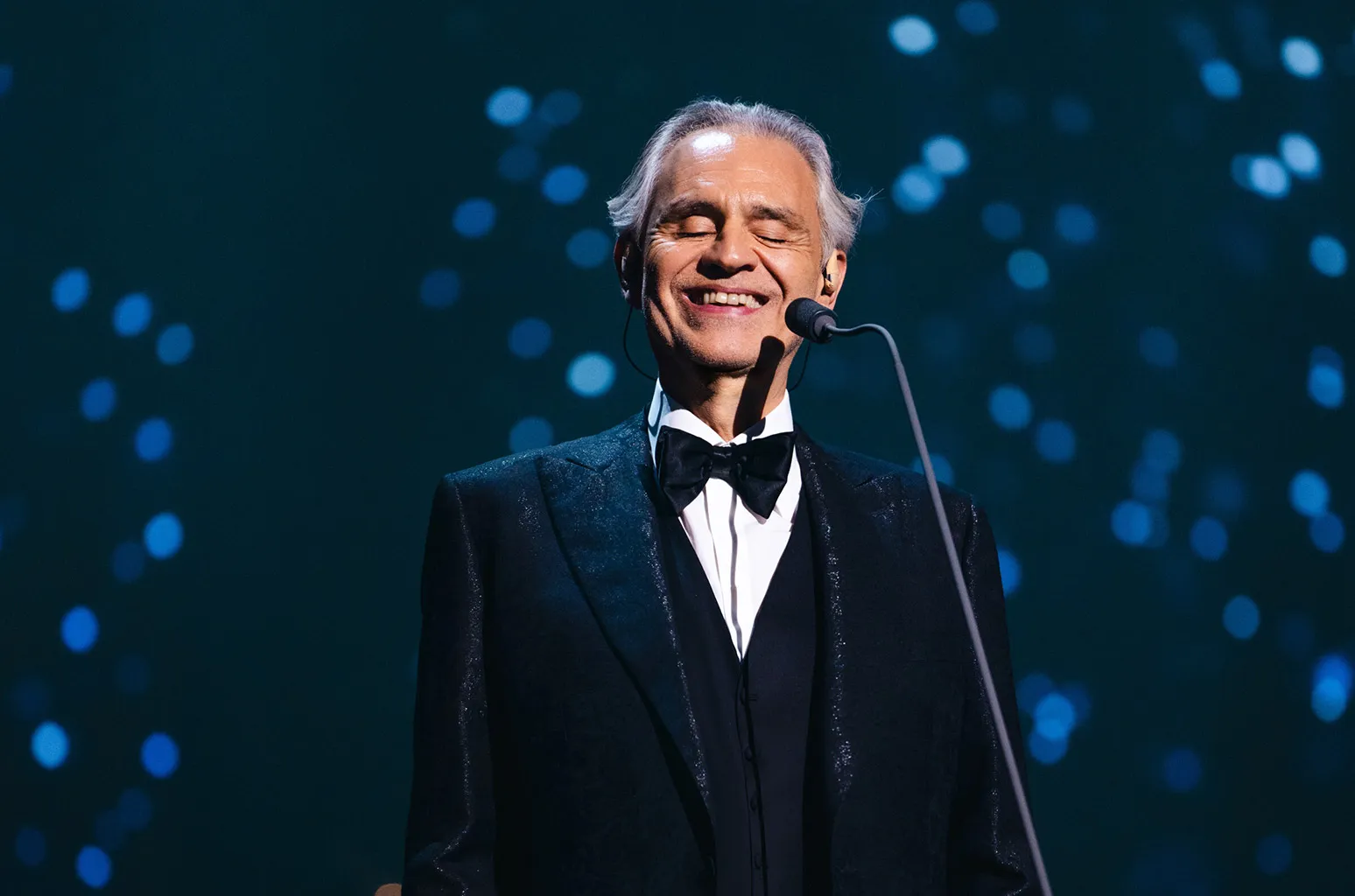
andrea bocelli

In the world of international music, few names carry the same global recognition as Andrea Bocelli and André Rieu. Their careers have been defined by decades of touring, sold-out performances, and audiences spanning generations and continents.

Yet alongside their artistic achievements, there is another aspect of their public image that often draws attention: the stability of their personal lives.

Unlike the fast-moving narratives often associated with celebrity culture, both artists have been consistently associated with long-term family relationships and a private life that remains largely separate from their stage personas. This contrast between public performance and private continuity has contributed to how audiences perceive them — not only as performers, but as individuals who maintain a sense of grounding amid global fame.

For fans, this often becomes part of the broader admiration. The idea that artists who perform for millions can still preserve a sense of personal consistency resonates strongly in an industry frequently shaped by change and visibility.

However, it is important to distinguish between public image and personal interpretation. While aspects of their family lives are known through interviews and public appearances, much of what circulates online tends to be simplified into broader narratives about “perfect” or “unchanging” relationships. In reality, like anyone, public figures experience private lives that are not fully visible to audiences.

What remains undeniable is the impact both artists have had on global music culture. Bocelli’s voice has brought classical crossover music to mainstream audiences, while Rieu has helped bring orchestral music to large-scale public celebrations around the world.

Their longevity in both career and public identity often invites reflection on what sustains a life in music over decades — discipline, adaptation, and a clear separation between professional performance and personal space.

Ultimately, the fascination with their private lives says as much about audience curiosity as it does about the artists themselves. In a world where visibility is constant, the idea of stability becomes a story in itself.

And perhaps that is why these narratives persist — not because they define the artists, but because they offer a contrast to the pace of modern fame.

0 Shares:
Leave a Reply

Your email address will not be published. Required fields are marked *

You May Also Like
Vince gills
Read More

Everly held her grandpa’s hand and whispered, “Grandpa… I’m ready,” soft enough that only Vince Gill could hear it. The whole Opry seemed to freeze for a heartbeat. The granddaughter of a legend was about to sing for the very first time, and everyone felt that quiet pride stretching across three generations. When she sang the first note, her voice trembled a little but warmed the room like soft yellow stage lights. People barely blinked. Vince leaned down, eyes shining, and gave her a slow nod as if to say, “That’s it… you’ve got this.” And when the final note faded, the whole room felt the same thing: they had just witnessed something too beautiful to ever forget.

There are moments at the Grand Ole Opry that feel almost sacred — moments when the lights soften,…
paul-mccartney
Read More

When Paul and Linda McCartney released Uncle Albert / Admiral Halsey, nobody expected the quirky, patchwork track to become one of the most beloved post-Beatles anthems — yet fans still call it a masterpiece of whimsy and genius; the song stitched together fragments of melodies like a musical collage, with Paul’s playful voice and Linda’s harmonies turning oddball lines into magic; critics at first scratched their heads, but soon the single soared to No. 1, proof that McCartney could reinvent pop on his own terms; decades later, fans replay the high-quality recording and marvel at how the song feels both chaotic and comforting, a glimpse into the couple’s shared creativity; whispers say Paul once admitted it was one of his proudest solo achievements, not because it was perfect, but because it was theirs; tabloids now dub it “the strangest love letter ever written,” a reminder that sometimes nonsense carries more truth than logic.

The anthem nobody expected When Paul and Linda McCartney released Uncle Albert / Admiral Halsey in 1971, few could have…

As the last light slipped behind the Tennessee hills, a lone black pickup eased up to Alan Jackson’s gate. No entourage. No flashbulbs. Just George Strait—arriving with the weight of a friendship the world rarely sees. Minutes earlier, news had broken that Alan was stepping away from the stage because of his declining health, sending a wave of heartbreak through country music. But George wasn’t there as the King of Country. He was there as the man who had shared buses, backroads, laughter, and late-night talks with Alan for a lifetime. He stopped at the gate, staring toward the home where their history lived—songs written, promises made, and years weathered side by side. Then, in a quiet breath the wind nearly carried away, he murmured, “You’re not alone, buddy.” And he walked through the gate.

Introduction When news spread through the country music community that Alan Jackson was stepping back from performing due to…
Beatles-on-the-Rooftop
Read More

There’s a Beatles song John Lennon wrote as a quiet signal that he was already drifting away… long before anyone dared to say it out loud He packed the lyrics with “clues” — half to mess with listeners, half to leave a message that felt too real to ignore. It sounds like a clever mind game… until Lennon later admitted it was like giving Paul a “crumb” — because he was leaving. A song that plays like a joke on the surface, but underneath it’s a early goodbye. After reading this, you realize: some of the saddest Beatles moments are the ones they never said aloud.

The Beatles Song John Lennon Used To Signal His Upcoming Departure to His Bandmates The Beatles might have…