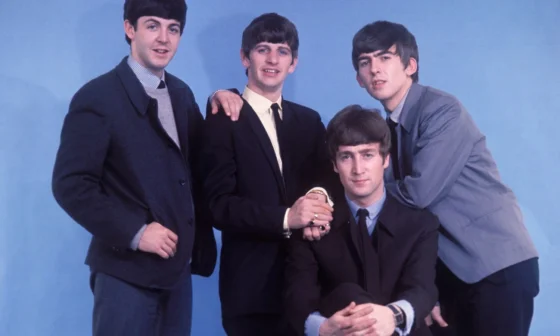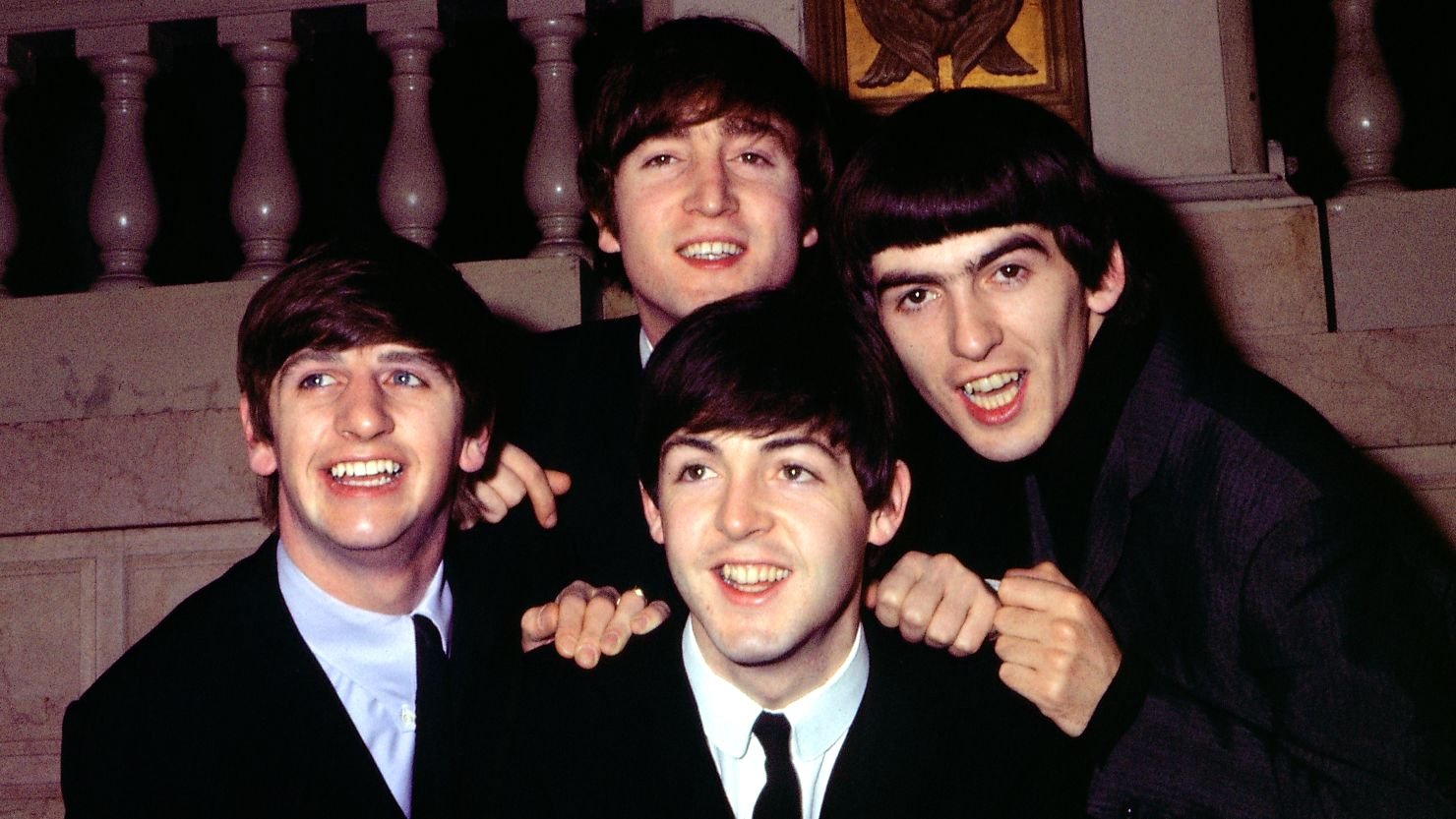
In the summer of 1968, Paul McCartney was driving out to Weybridge to visit Cynthia Lennon and her young son, Julian. The atmosphere was heavy; John and Cynthia were separating, and the five-year-old boy was caught in the crossfire of a crumbling marriage. As Paul drove, a melody began to take shape—a song of consolation for a child he cared for deeply. He started singing to himself, “Hey Jules, don’t make it bad…”
By the time he reached the studio, “Jules” had become “Jude,” a name that felt more rhythmic and slightly more mysterious. What began as a surrogate father’s attempt to shield a child from sorrow eventually became The Beatles’ most successful single, topping the charts for nine weeks. But the technical success of “Hey Jude” is secondary to its emotional architecture.
The song is a masterclass in musical evolution. It begins with the stark, vulnerable simplicity of a lone piano and Paul’s voice. It feels like a secret shared between friends. As the verses progress, the arrangement swells, gently layering in acoustic guitar, tambourine, and harmony. It mirrors the process of finding one’s footing after a tragedy—starting small and gathering strength as the community joins in.

However, the true magic of “Hey Jude” lies in its unprecedented second half. At a time when radio stations demanded three-minute pop songs, The Beatles delivered a seven-minute epic. The legendary coda—the four-minute “Na-na-na” refrain—was a radical departure from the norm. It transformed a personal ballad into a communal experience. When the orchestra joins in and the vocals reach a fever pitch, the song stops being about a specific divorce and starts being about the human capacity to endure.

For music fans, “Hey Jude” represents a turning point in the Beatles’ discography. It showed a band that, despite their own growing internal tensions, could still reach out and touch the collective soul of their audience. John Lennon himself famously loved the song, even interpreting it as Paul giving him permission to move forward with his new life with Yoko Ono.

Ultimately, “Hey Jude” endures because it offers a roadmap for moving through pain. It doesn’t deny the sadness—it acknowledges the “cold” and the “burden”—but it insists on the power of the heart to “make it better.” Whether you are a five-year-old boy in a quiet house in 1968 or a listener today streaming it through headphones, the song serves as a timeless reminder: the moment you let the music under your skin, you begin to heal.