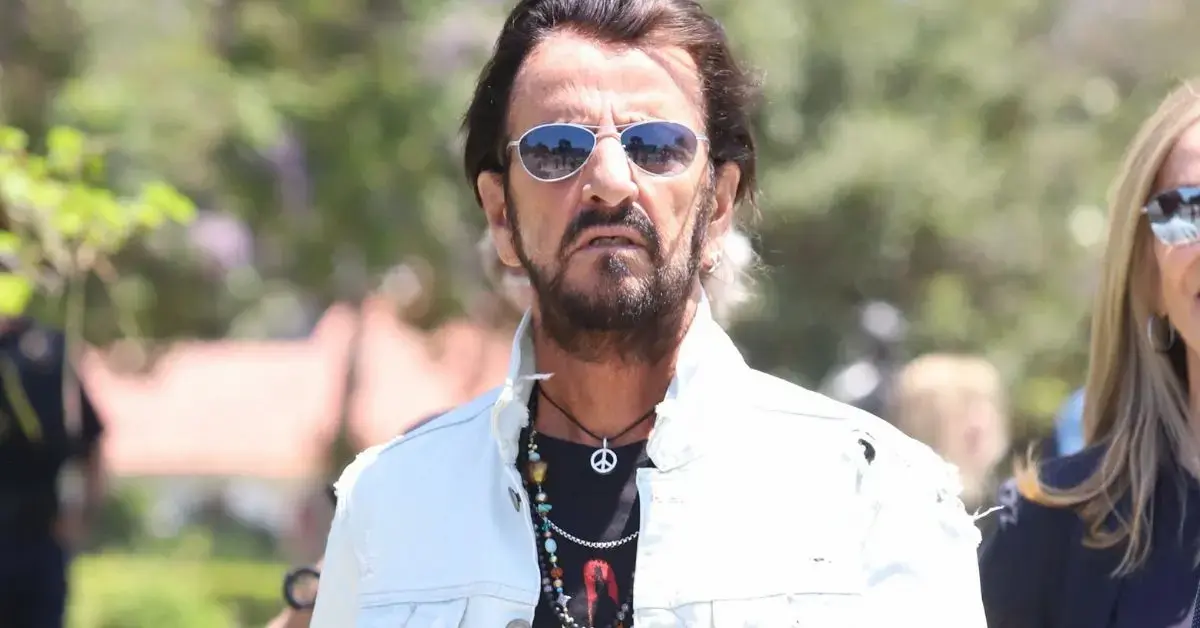
For over half a century, the history of the Beatles has been documented, dissected, and digitized down to the last second of studio chatter. Fans thought they had heard every scrap of audio the Fab Four ever produced. Yet, tucked away in the private collection of Ringo Starr were three cassette tapes that defied the narrative. These weren’t just “unreleased songs”—they were pieces of a life that was never meant to be a public performance.#
Labelled simply “INDIA,” “MAHARESHI,” and “MANILLA,” the tapes contain over four hours of candid audio recorded by Ringo during the height of Beatlemania in 1966. While the world saw the screaming fans and the chaotic press conferences, Ringo was quietly documenting the reality behind the curtain. Using a personal tape recorder, he captured the band experimenting with Indian instruments, laughing in hotel rooms, and debating setlists.
But the most striking discovery on these tapes is the music that Ringo played for himself when the cameras were off. Among the hours of conversation is a raw, solo recording of Ringo at a piano, working through an early version of “Don’t Pass Me By.” At the time, Ringo’s songwriting was often treated as a novelty by the industry, but here, in the privacy of his own space, you hear the earnest labor of a musician finding his craft years before the song would eventually land on The White Album.

Even more mysterious are the fragments of songs that have no title and no place in the official Beatles discography. One demo features a haunting refrain about “seeing the tulips grow,” while another, titled “I Bought A,” remains a tantalizing “what-if” in rock history. These weren’t rejected pitches for Sgt. Pepper; they were musical journal entries, played once into a handheld mic and then forgotten.
The existence of these tapes reminds us that even the most famous people in the world have corners of their lives they wish to keep sacred. These recordings weren’t hidden because they were bad; they were hidden because they were private. They represent a version of Ringo Starr that isn’t the “goofy” drummer or the global superstar, but an artist documenting his own journey through a whirlwind that few others could understand.
For years, these tapes stayed in the shadows, a secret archive of a year that changed music forever. They serve as a poignant reminder that the most meaningful music isn’t always the kind played for thousands of people—sometimes, it’s the song you sing to yourself in a “pretty crappy” hotel room in Manila, just to remember who you are.
This video provides a rare look and sample audio of the actual personal tapes Ringo Starr recorded in 1966, containing the private moments and song demos mentioned.