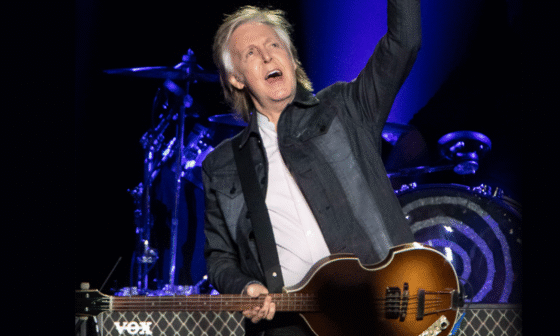
In the world of ultra-high-net-worth celebrities, the standard mode of transport is a blacked-out SUV, a private jet, or a secure motorcade. But for Sir Paul McCartney, the most successful songwriter in music history, the preferred way to get across London is often a public bus or a standard train carriage. It is a sight that has stunned countless fans over the decades: a rock legend sitting quietly among the working class, blending in so perfectly that he is often ignored entirely.
The stories have become a staple of London lore. Commuters on the train from Hastings or passengers on the local bus routes have often looked up from their phones to see a man in a simple coat and a flat cap, tucked into a corner seat with a newspaper. There is no security detail flanking him, no velvet rope, and no air of pretension. McCartney doesn’t just ride public transit for the novelty; he does it because he genuinely values the connection to the real world.

This grounded nature isn’t a recent development. McCartney’s relationship with public transport dates back to the very beginning of his career. It was, after all, on the top deck of a Liverpool bus that a young Paul McCartney watched George Harrison audition for John Lennon by playing “Raunchy” on the guitar. For McCartney, the bus represents the start of his journey, and continuing to use it is a way of maintaining his identity outside of “Beatle Paul.”
Psychologically, there is a profound liberation in McCartney’s choice. By choosing to ride the bus, he reclaims a sense of normalcy that fame often steals. In a 2018 interview, he famously mentioned that he enjoys “just being a person” and that most people on public transit are too busy with their own lives to notice him. On the rare occasions he is recognized, the interactions are usually quiet and respectful—a shared nod or a whispered “Hello, Paul” before he returns to his reading.

McCartney’s refusal to be sequestered in a “celebrity bubble” says as much about his character as it does about his music. It suggests that the man who wrote anthems for millions still views himself as part of the collective. In a world where status is often measured by how far one can distance themselves from the public, McCartney finds his strength in staying close to it. He is a billionaire who knows that the best view of the world isn’t from a penthouse, but from a window seat on the morning commute.
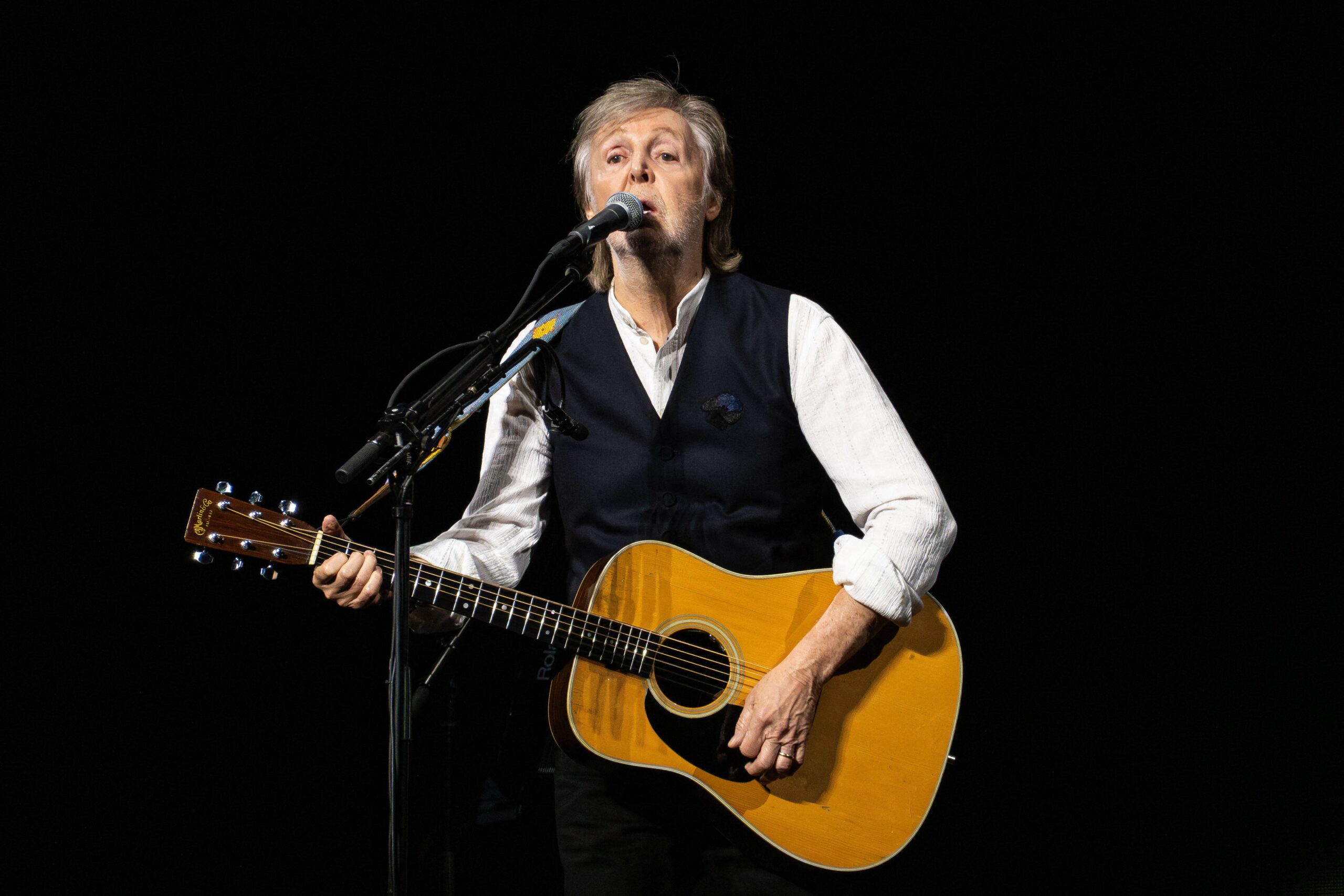
Paul McCartney – The Stories of a Legend Among Us
This video features Paul McCartney reflecting on his roots and includes scenes where he interacts with the public in ways that highlight his famously grounded personality.