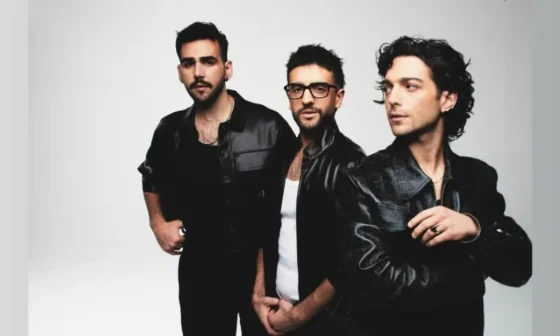
In the digital age, stories about beloved performers can travel faster than facts can be confirmed. One such narrative recently surrounding Gianluca Ginoble of Il Volo illustrates how quickly emotion and uncertainty can merge into viral storytelling—especially when it involves artists whose voices are deeply tied to public affection.
According to widely shared posts across social platforms, Ginoble is said to have announced a sudden pause from his musical career to focus on a private health matter. The posts describe an emotional message delivered with humility and restraint, emphasizing gratitude toward fans and a need to step away from the demands of performance life. In these retellings, the tone is somber, and the language is deliberately dramatic, evoking concern and empathy from audiences who have followed his career for years.
Il Volo, known for blending operatic technique wit
 h contemporary crossover appeal, has built a global following on the strength of powerful vocal harmonies and emotionally charged performances. Within that context, it is not surprising that any suggestion of a sudden absence by one of its members would generate immediate attention. Fans of the trio are deeply invested not only in the music, but also in the personal journeys of the performers who have grown up in the public eye.
However, despite the intensity of the circulating narrative, there has been no verified official statement confirming the specific claims of a severe health crisis or a permanent withdrawal from public life. As with many viral stories involving public figures, especially musicians with strong emotional fan communities, details can become amplified, reshaped, or entirely speculative as they spread online. What begins as rumor can quickly take on the appearance of fact through repetition and emotional framing.
The structure of the story itself follows a familiar pattern seen in digital fan spaces: an unexpected announcement, a dramatic pause from the spotlight, and an immediate wave of global reaction. It is a format designed to evoke urgency and empathy, often blurring the line between tribute, speculation, and misinformation. In the case of Ginoble, the emotional resonance is amplified by the nature of his work—music that is already closely associated with vulnerability, longing, and human connection.

What remains consistent, even when facts are unclear, is the attachment audiences feel toward artists like those in Il Volo. Their performances often center on themes of love, perseverance, and emotional honesty, which naturally foster a sense of closeness between performers and listeners. This connection can make fans especially responsive to any suggestion of personal struggle, whether confirmed or not.
In moments like these, the responsibility of interpretation becomes important. Viral stories often reflect more about collective emotion than actual events. They reveal how deeply audiences care, but also how quickly information can shift when shared without verification. For public figures, especially musicians whose careers depend on both visibility and emotional resonance, this dynamic can create a blurred space between reality and narrative.

Ultimately, the story surrounding Gianluca Ginoble serves as a reminder of how modern celebrity culture operates. A single post can spark global concern, and a fragment of information can grow into a sweeping narrative of loss, hope, or transformation. Whether or not the claims are accurate, the reaction itself reflects the powerful bond between performers and audiences—one built on voice, memory, and the shared experience of music that feels deeply personal.
In that sense, the silence described in these viral posts is not just about absence. It is also about how quickly the world listens when a beloved voice is even momentarily believed to be missing.