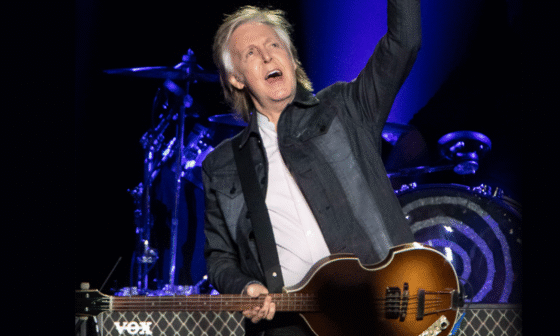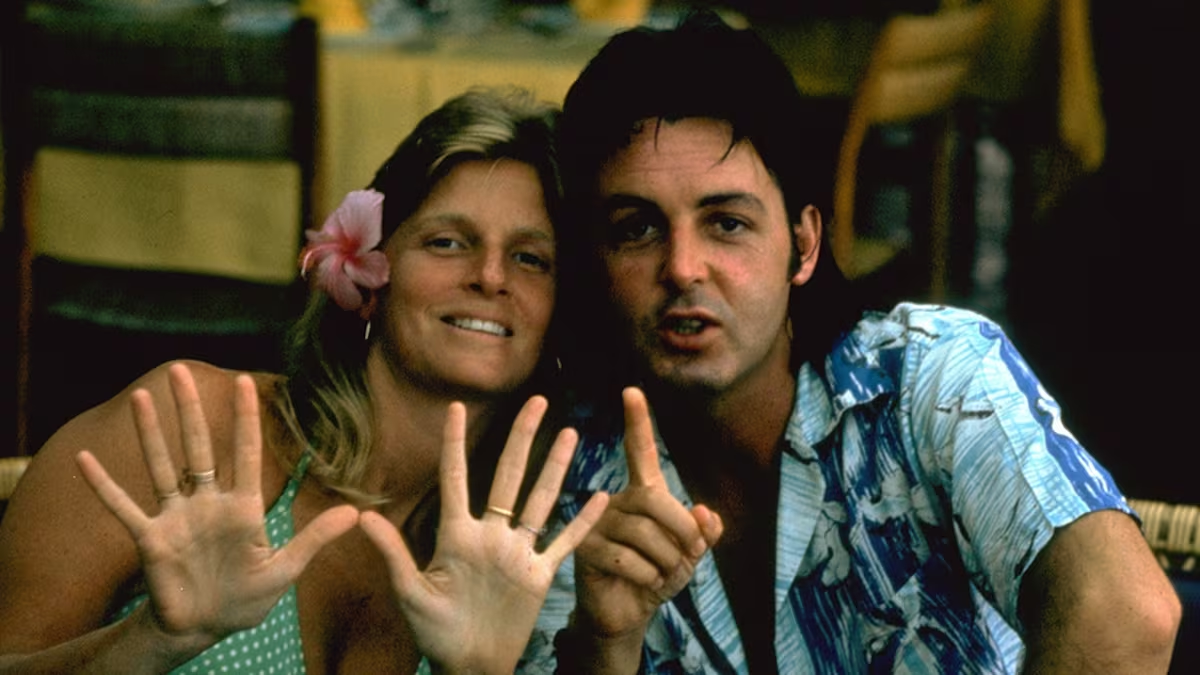
For many fans of The Beatles, Paul McCartney is forever linked to melodies that helped define generations. Yet beyond the stage and studio, his life has also been shaped by deeply personal moments—none more profound than the final hours he shared with his wife, Linda McCartney.
Linda was far more than a public figure connected to a famous musician. She was a photographer, a musician in her own right, and a passionate advocate for animal rights. Her life with Paul was rooted in creativity, family, and shared values, forming a partnership that extended well beyond music. Together, they built a life that balanced global fame with a commitment to privacy and authenticity.

When Linda’s health declined in the late 1990s, that sense of closeness became even more significant. Surrounded by family, her final moments were not marked by dramatic gestures, but by something quieter and more intimate. According to Paul, instead of saying goodbye in the usual way, he chose to paint a picture with words.
He described a peaceful, open landscape—clear skies, a sense of freedom, and a familiar image that held personal meaning. It was not just a comforting thought, but a shared language between them, something that reflected the life they had lived together. As he spoke, Linda listened, and within moments, she gently slipped away.

There is something striking about this approach to farewell. Rather than focusing on loss, it centered on imagery, memory, and calm. It reflects the way music itself often works—creating emotional spaces that words alone cannot fully capture. In that sense, Paul’s final message to Linda was not so different from a song: simple, evocative, and deeply felt.
For fans, this moment offers a rare glimpse into the private world behind a public life. It reveals a different side of Paul McCartney—not as a performer, but as a partner facing one of life’s most difficult experiences. It also underscores the strength of the bond he shared with Linda, a relationship that endured through decades of change, success, and challenge.
Linda’s legacy continues to resonate in many ways. Her photography captured candid, unguarded moments in the lives of artists and family alike. Her work in music, including her contributions to Paul’s post-Beatles projects, added another dimension to her creative identity. And her advocacy for ethical living left a lasting cultural impact that extends beyond entertainment.
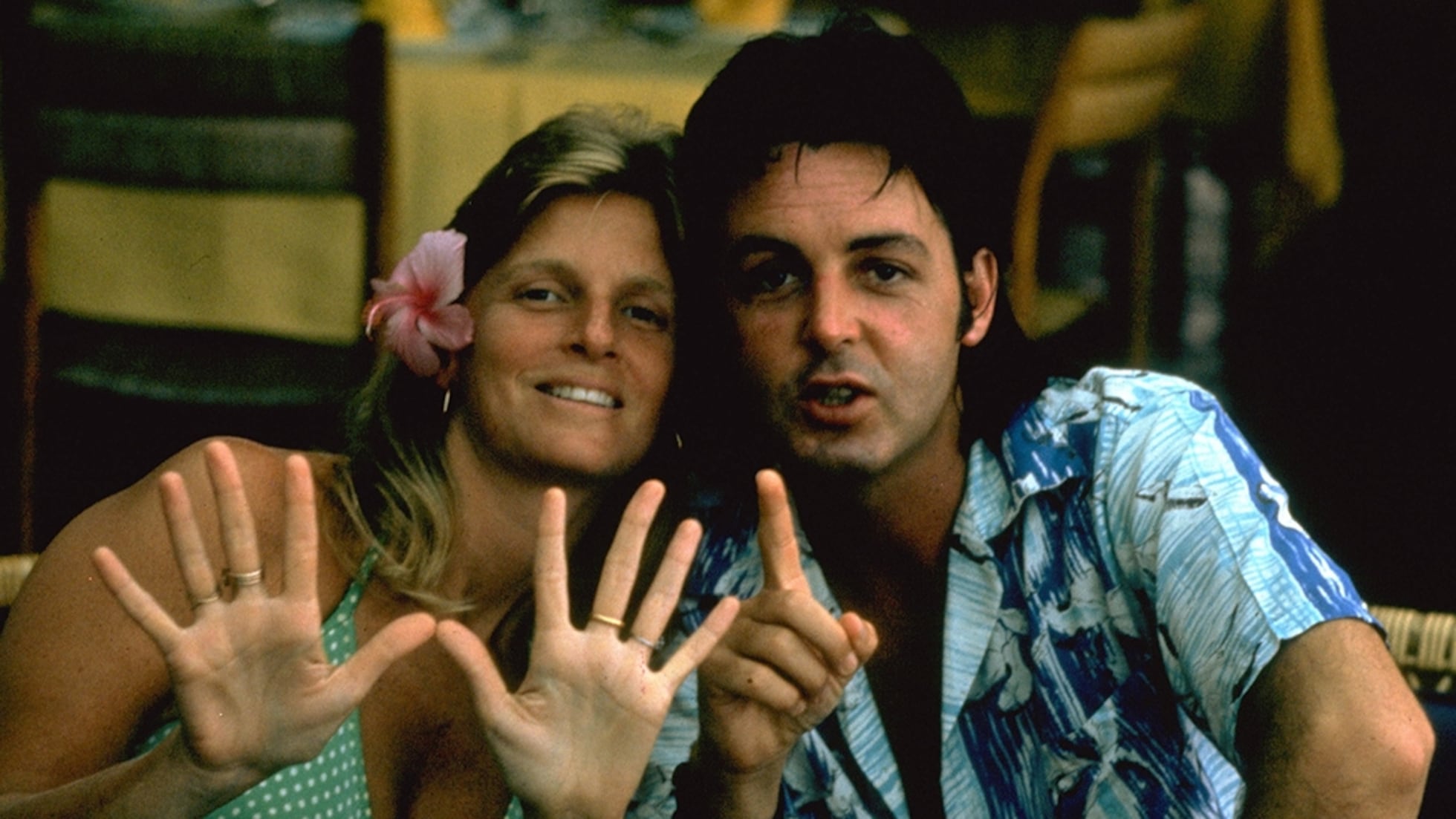
In remembering her, it’s not just her accomplishments that stand out, but the way she lived—with intention, compassion, and quiet confidence. The story of her final moments reflects those same qualities, offering a sense of peace rather than finality.
For those who have followed Paul McCartney’s journey, this chapter adds depth to the music they know so well. It reminds us that behind every song is a life filled with relationships, experiences, and moments that shape its meaning.
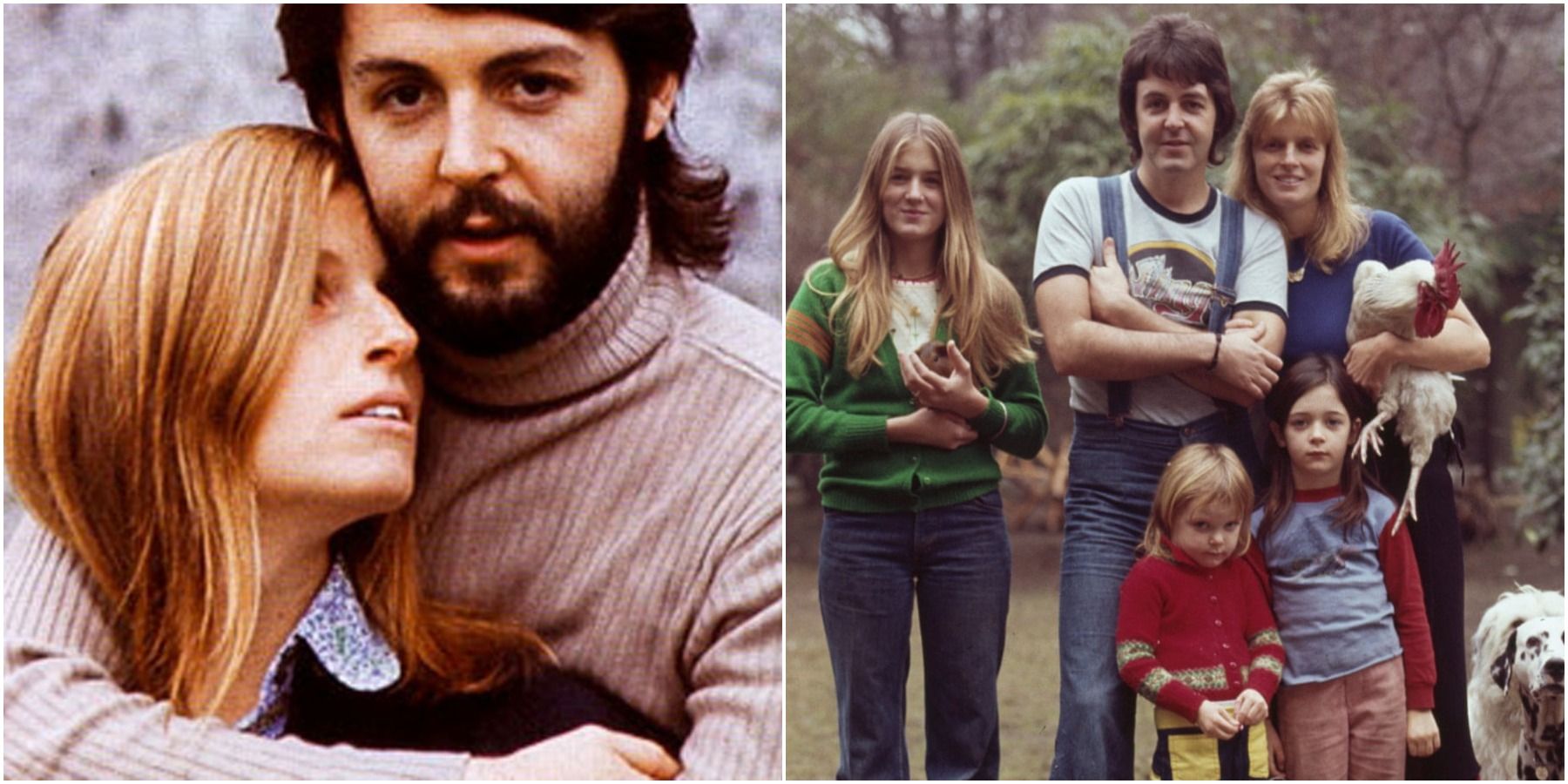
In the end, the image Paul described was more than a farewell—it was a continuation. A way of carrying forward memory and love, even as one chapter came to a close. And in that quiet exchange, something lasting was created: a moment of connection that endures, much like the music itself.