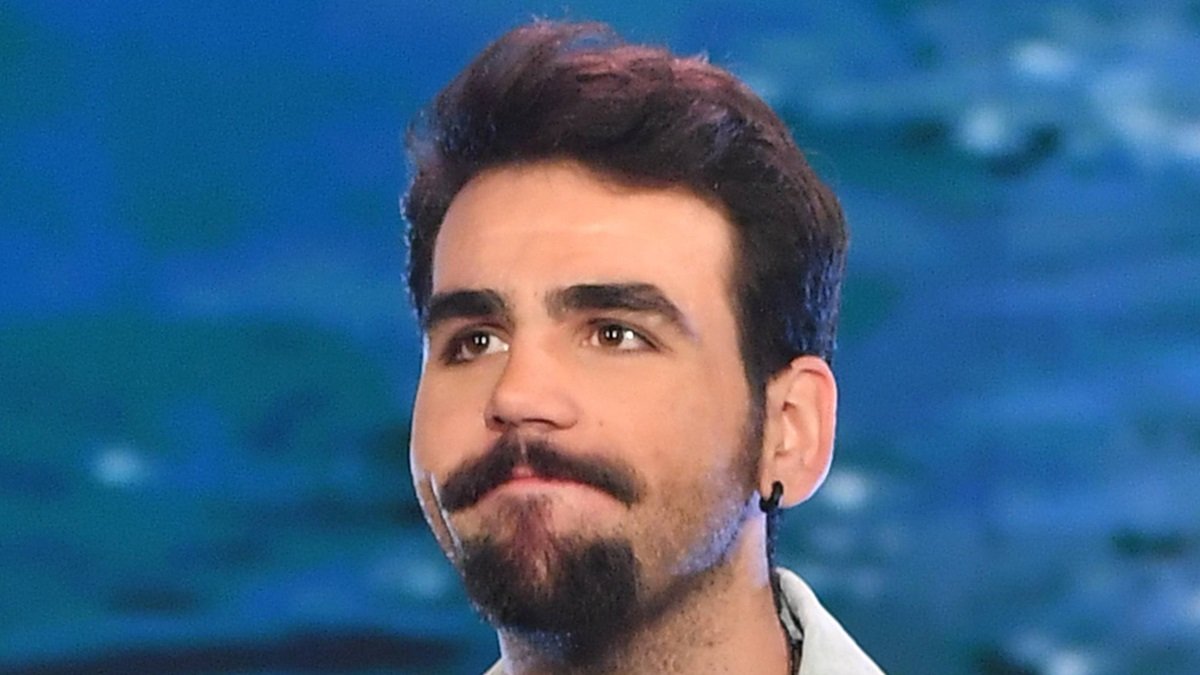
For years, Ignazio Boschetto has been recognized for the strength and clarity of his voice as part of Il Volo. On stage, he delivers performances filled with intensity and precision, captivating audiences around the world. But recently, fans saw a very different side of him—one that had nothing to do with music, yet carried just as much emotion.
The moment came quietly, away from the usual setting of concert halls and applause. It was his first time holding his newborn son, Gabriele. There were no grand gestures, no spotlight—just a father meeting his child for the first time.
As he cradled the baby in his arms, Boschetto’s composure gave way to something more vulnerable. Emotion surfaced in a way that felt unfiltered and real. For someone so accustomed to expressing feeling through song, this moment required no performance at all. It simply unfolded.
For fans who have followed his journey, the image was striking. This was the same artist known for powerful high notes and commanding stage presence, now standing in a moment of quiet awe. It revealed a different kind of strength—one rooted not in projection, but in presence.
What resonated most wasn’t just the emotion itself, but the way it connected with people far beyond that moment. Fans across the world responded with their own reflections, sharing how the scene reminded them of their own experiences with family, parenthood, or new beginnings. It became something larger than a personal milestone—it became a shared feeling.
There’s something universally understood about that first encounter between parent and child. It’s a moment that can’t be rehearsed or replicated. For Boschetto, it marked the beginning of a new chapter, one that exists outside the rhythms of touring and recording.

Interestingly, the power of the moment also lay in what wasn’t shared. Though he was seen speaking softly to his son, the words themselves remained private. That silence added a layer of meaning, allowing people to imagine the sentiment rather than hear it directly. In a world where so much is documented and explained, that small mystery felt almost rare.
For an artist whose life is often visible to the public, choosing to keep part of such a moment personal speaks to its importance. It suggests that not everything needs to be translated for an audience—some experiences are complete in themselves.
As Boschetto continues his career, this moment may not appear in any performance or recording, but it will undoubtedly shape the person behind the voice. Fatherhood has a way of shifting perspective, of grounding even the most extraordinary lives in something simple and profound.
And perhaps that’s what made this moment so impactful. It wasn’t about fame or music. It was about connection—immediate, unspoken, and deeply felt.
For fans, it offered a reminder that behind every powerful voice is a human story still unfolding. And in this case, that story has found a new beginning—one that starts not with a song, but with a quiet, unforgettable first embrace.