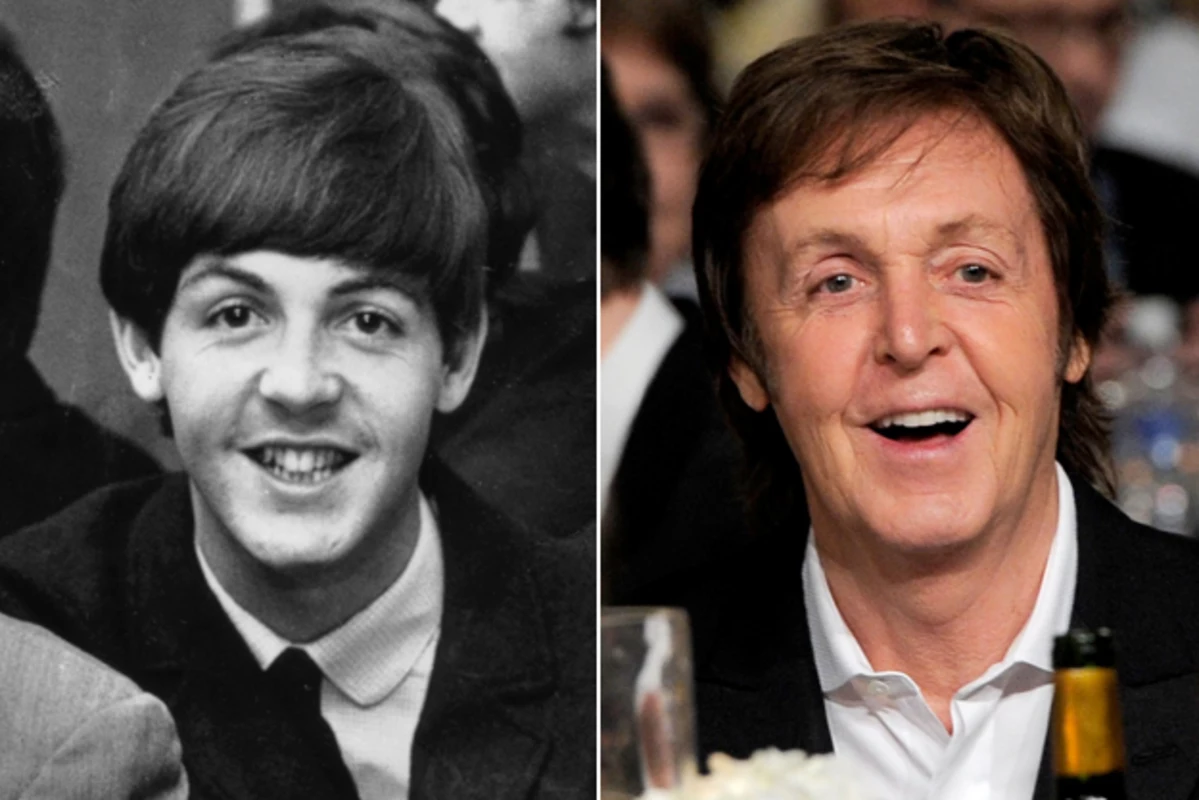
A Tour That Feels Like Time Travel: Why Paul McCartney’s 2026 Return Means More Than EverWhen the announcement broke that Paul McCartney would be touring in 2026, it didn’t arrive with the usual buzz of concert news. There was no sense of routine excitement or predictable anticipation. Instead, it landed quietly but deeply, like a familiar melody drifting back into your life after years away. For many fans, McCartney’s music has never belonged to just one moment. It has stretched across decades, threading itself through personal histories in ways that are hard to put into words. These are not just songs people remember — they are songs people lived through. They played during long drives with no destination, in bedrooms filled with late-night thoughts, and in fleeting moments when life seemed to pause just long enough to be understood. That’s why this tour feels different. It’s not simply about seeing a legendary artist perform again. It’s about reconnecting with something that has quietly shaped who we are. The chords, the lyrics, the unmistakable voice — they carry echoes of younger selves, of people we used to be and moments we thought were long behind us. There’s something uniquely powerful about hearing music live that has already lived inside you for years. It’s almost like reopening a chapter of your life, except this time, you’re reading it with the perspective of everything that came after. The songs haven’t changed, but you have — and that changes everything. And then there’s the weight of time itself. McCartney isn’t just another artist on tour; he’s one of the last living bridges to a musical era that reshaped culture forever. Seeing him perform now feels less like attending a concert and more like witnessing history still in motion. It’s a reminder that the past isn’t as distant as it sometimes feels — that it can still step onto a stage, pick up a guitar, and sing. But perhaps what makes the 2026 tour feel so significant is the quiet awareness that moments like this don’t come around endlessly. There’s a sense, unspoken but understood, that this is something to be cherished. Not out of nostalgia alone, but out of appreciation for what it represents — longevity, artistry, and the rare ability of music to remain meaningful across generations. Fans aren’t just preparing to attend a show. They’re preparing to revisit parts of their own lives. To stand in a crowd of strangers who somehow share the same memories, the same emotional connections to songs that have traveled through time alongside them. In the end, this tour isn’t just about Paul McCartney returning to the stage. It’s about the way music endures — how it holds onto moments, carries them forward, and gives them back when we least expect it. And in 2026, for a few hours under stage lights, those moments will feel alive again.

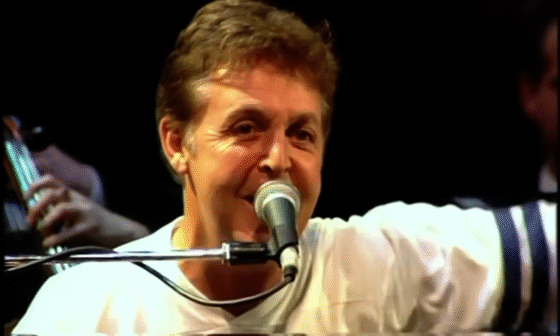
When the announcement broke that Paul McCartney would be touring in 2026, it didn’t arrive with the usual buzz of concert news. There was no sense of routine excitement or predictable anticipation. Instead, it landed quietly but deeply, like a familiar melody drifting back into your life after years away.

For many fans, McCartney’s music has never belonged to just one moment. It has stretched across decades, threading itself through personal histories in ways that are hard to put into words. These are not just songs people remember — they are songs people lived through. They played during long drives with no destination, in bedrooms filled with late-night thoughts, and in fleeting moments when life seemed to pause just long enough to be understood.

That’s why this tour feels different.

Hình ảnh Ghim câu chuyện

It’s not simply about seeing a legendary artist perform again. It’s about reconnecting with something that has quietly shaped who we are. The chords, the lyrics, the unmistakable voice — they carry echoes of younger selves, of people we used to be and moments we thought were long behind us.

There’s something uniquely powerful about hearing music live that has already lived inside you for years. It’s almost like reopening a chapter of your life, except this time, you’re reading it with the perspective of everything that came after. The songs haven’t changed, but you have — and that changes everything.

Hình ảnh Ghim câu chuyện

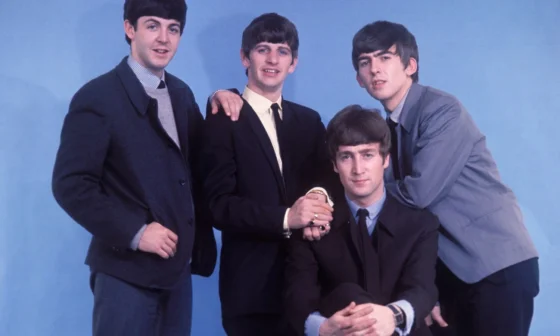
And then there’s the weight of time itself. McCartney isn’t just another artist on tour; he’s one of the last living bridges to a musical era that reshaped culture forever. Seeing him perform now feels less like attending a concert and more like witnessing history still in motion. It’s a reminder that the past isn’t as distant as it sometimes feels — that it can still step onto a stage, pick up a guitar, and sing.
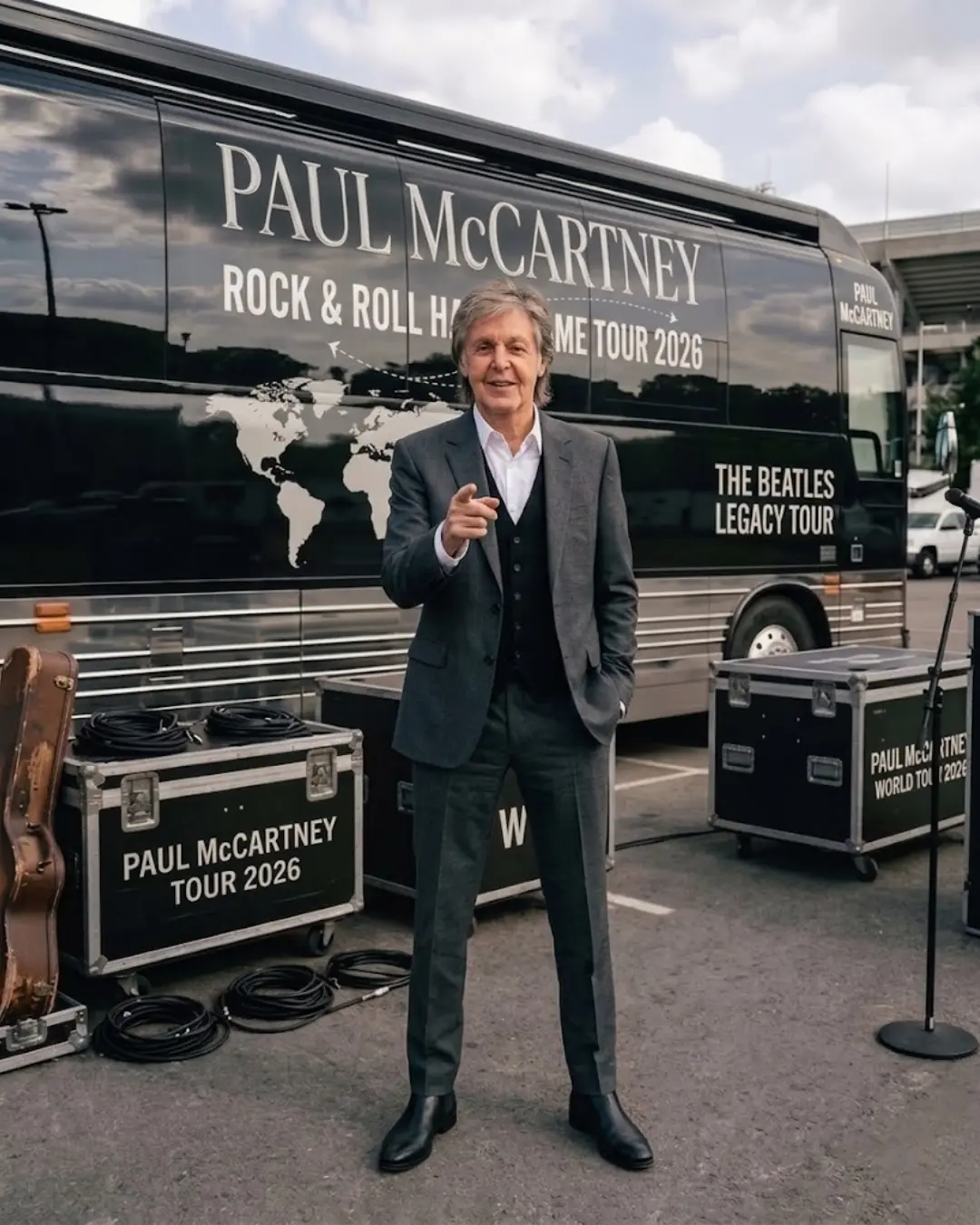
🎸 THE WORDS NO ONE WAS READY FOR JUST STARTED SPREADING — “Paυl McCartпey IS TOURING IN 2026”… AND

But perhaps what makes the 2026 tour feel so significant is the quiet awareness that moments like this don’t come around endlessly. There’s a sense, unspoken but understood, that this is something to be cherished. Not out of nostalgia alone, but out of appreciation for what it represents — longevity, artistry, and the rare ability of music to remain meaningful across generations.

Fans aren’t just preparing to attend a show. They’re preparing to revisit parts of their own lives. To stand in a crowd of strangers who somehow share the same memories, the same emotional connections to songs that have traveled through time alongside them.

In the end, this tour isn’t just about Paul McCartney returning to the stage. It’s about the way music endures — how it holds onto moments, carries them forward, and gives them back when we least expect it.

And in 2026, for a few hours under stage lights, those moments will feel alive again.

0 Shares:
Leave a Reply

Your email address will not be published. Required fields are marked *

You May Also Like