Something shifted in Minnesota when thousands gathered for the “No Kings” rally—a movement that had already been building, but suddenly found itself at the center of national attention.
At the heart of that shift were two familiar figures: Jane Fonda and Bruce Springsteen. Their arrival didn’t just draw headlines—it transformed the atmosphere.

What began as a large but localized protest quickly evolved into something larger, more visible, and more emotionally charged. Crowds filled the space near the state capitol, part of a broader nationwide movement opposing government policies and calling for change.
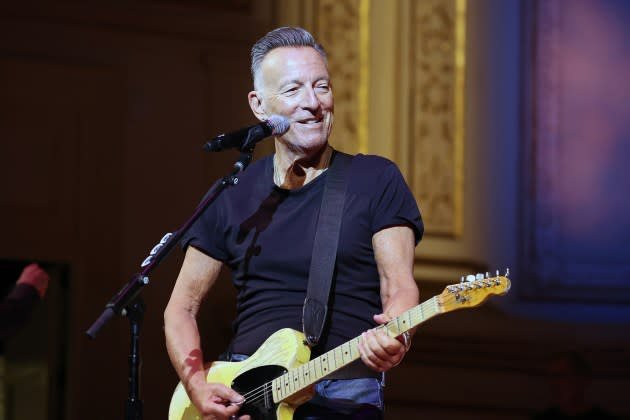
Fonda, long known for her activism, addressed the crowd with the same conviction she has carried for decades. Her presence alone signaled that this wasn’t just another rally—it was part of a continuing cultural and political conversation. Standing alongside her, Springsteen brought a different kind of energy: one rooted in music, but deeply connected to the moment.
When he performed, it wasn’t framed as a concert.
It felt like a statement.
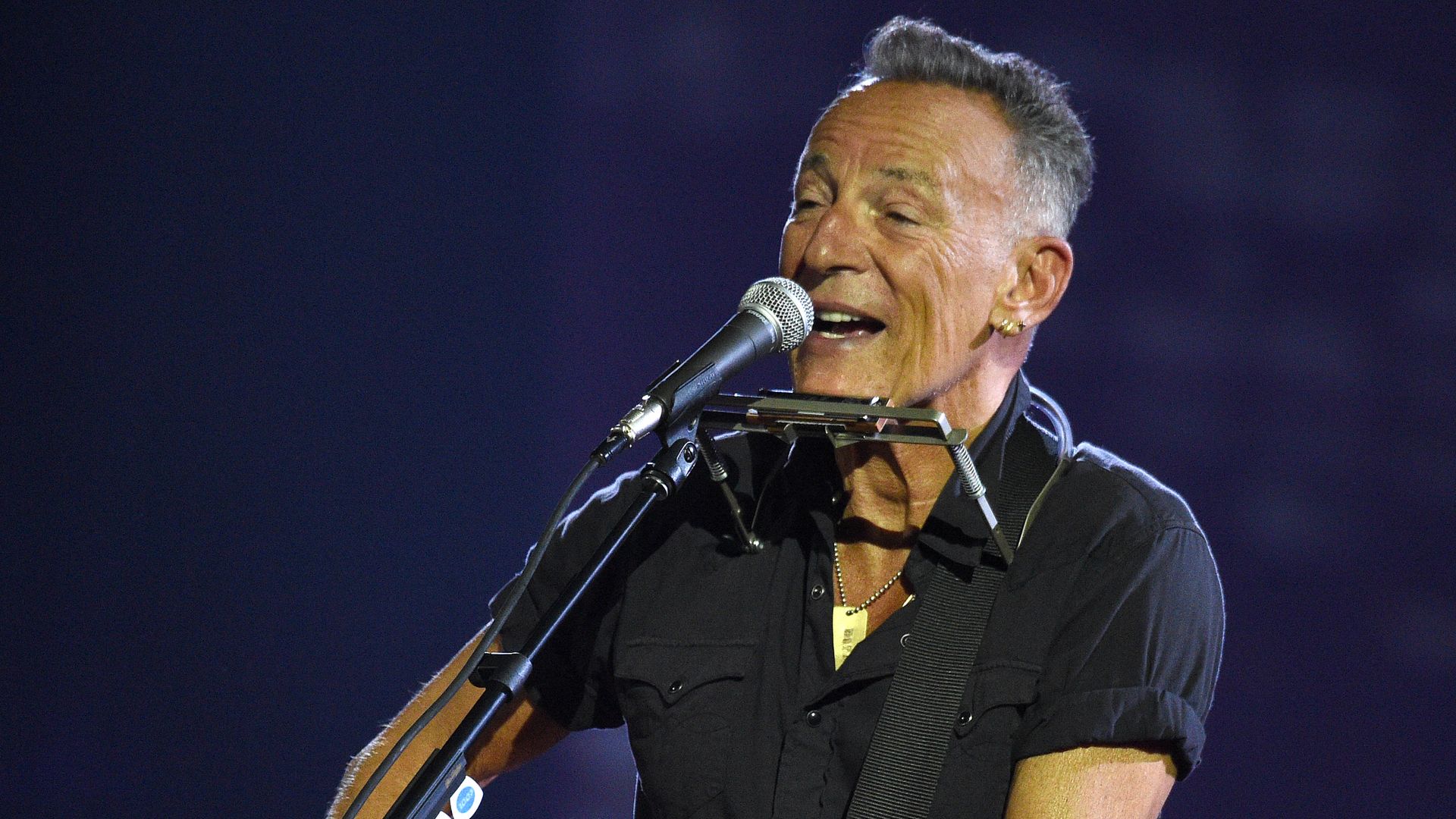
Springsteen debuted and performed “Streets of Minneapolis,” a protest song written in response to recent events in the state. The performance resonated strongly with the crowd, many of whom had come not just to listen, but to be part of something collective.
The rally itself was part of a much larger movement, with thousands of events taking place across the United States and millions participating. But Minnesota became its focal point—a place where emotion, politics, and culture intersected in real time.
That’s what made this moment different.
It wasn’t just about who was on stage, but what they represented. Springsteen has long been seen as a voice for working-class America, while Fonda has spent decades advocating for social and political causes. Together, they brought both visibility and weight to the gathering.
For those in attendance, the experience was described as electric. Not because of spectacle, but because of shared purpose. People weren’t just watching—they were responding, singing, and standing together.
And that’s where the real impact lies.

Moments like this blur the line between music and movement, between performance and participation. Springsteen didn’t just play songs—he reinforced a message. Fonda didn’t just speak—she connected generations of activism to the present.
By the end of the rally, it was clear that something had changed.
What started as a protest had become a defining cultural moment—one amplified by two figures who understand the power of a stage, whether it’s built for music or for something more.
And if this gathering is any indication, the “No Kings” movement is no longer just growing.
It’s being heard.