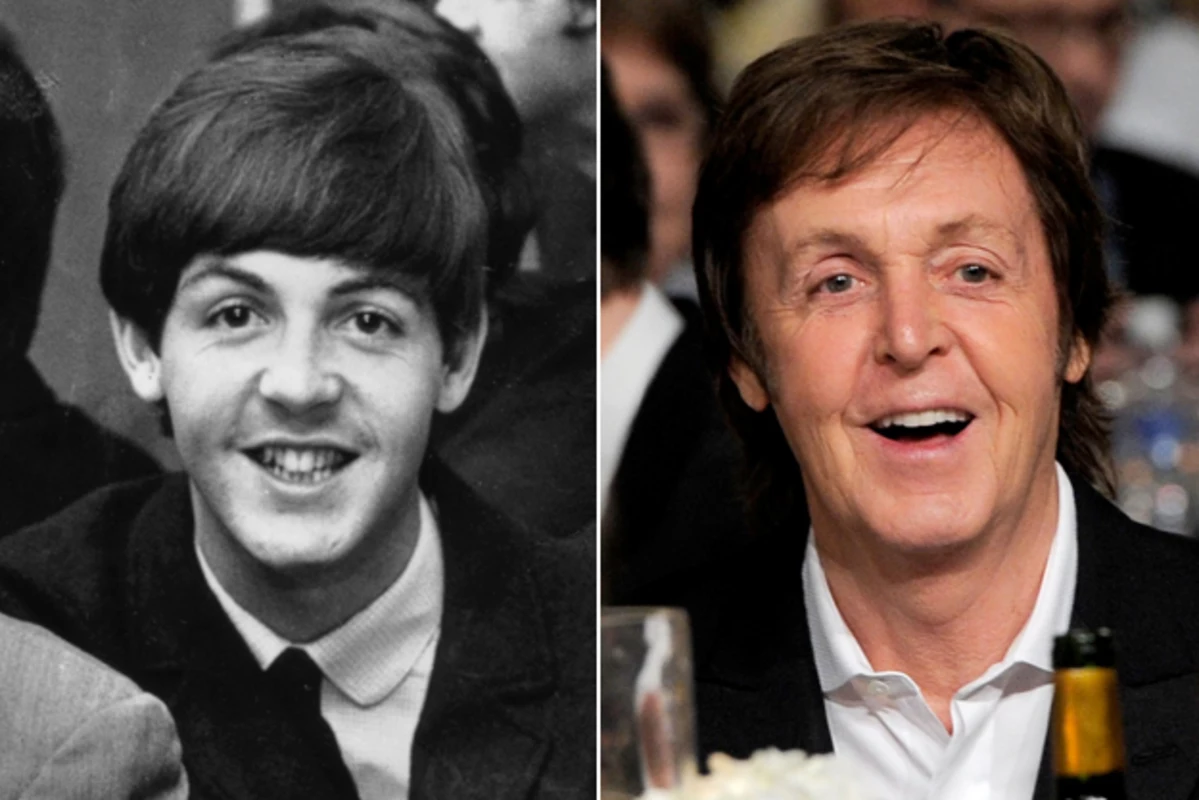
There is a specific kind of magic that happens when the right person meets the right moment in history. For the better part of a century, the world has been captivated by the story of four lads from Liverpool, but at the heart of that whirlwind stood a young man with a gift for melody that felt almost otherworldly. Paul McCartney wasn’t just a bass player or a singer; he was the architect of a sound that broke through borders, languages, and generations.
The story of the Beatles is often told through the lens of screaming fans and stadium lights, but the true depth of their impact lies in the “feeling” Paul brought to the arrangements. While the world was changing at a dizzying pace, Paul provided the emotional anchor. Whether it was the raw, optimistic energy of “I Saw Her Standing There” or the profound, universal comfort of “Let It Be,” his songwriting acted as a mirror for the human experience.
What made Paul the center of this story was his relentless curiosity. He was the one who would spend hours in the studio experimenting with tape loops, orchestral sweeps, and avant-garde textures, all while maintaining that signature accessibility that allowed a grandmother in London and a teenager in Tokyo to feel the exact same emotion at the exact same time. He understood that music wasn’t just a product—it was a vessel for storytelling.

Even after the band moved in separate directions, the “story” didn’t end. Paul carried that torch forward, proving that the music was bigger than any one era. When you see him on stage today, performing “Hey Jude” to a sea of 80,000 people, you aren’t just watching a concert. You are witnessing a communal retelling of a story that started in a small terrace house in Liverpool.

The world felt The Beatles because Paul McCartney insisted on making the music personal. He took the grand, sweeping changes of the 1960s and distilled them into three-minute masterpieces that felt like they were written just for you. He taught us that a simple melody could be a lifeline, and a chorus could be a bridge between strangers.
Today, we look back not just at a discography, but at a legacy of connection. Paul remains the heartbeat of that journey, reminding us that while voices may age and trends may fade, a story told through the right song is truly eternal. He didn’t just play the music; he invited us all to be a part of the song.