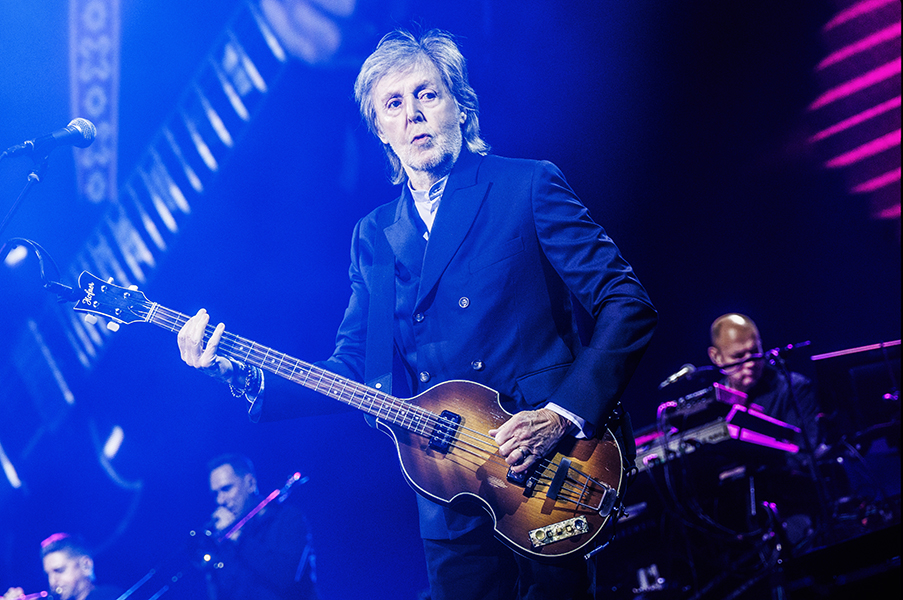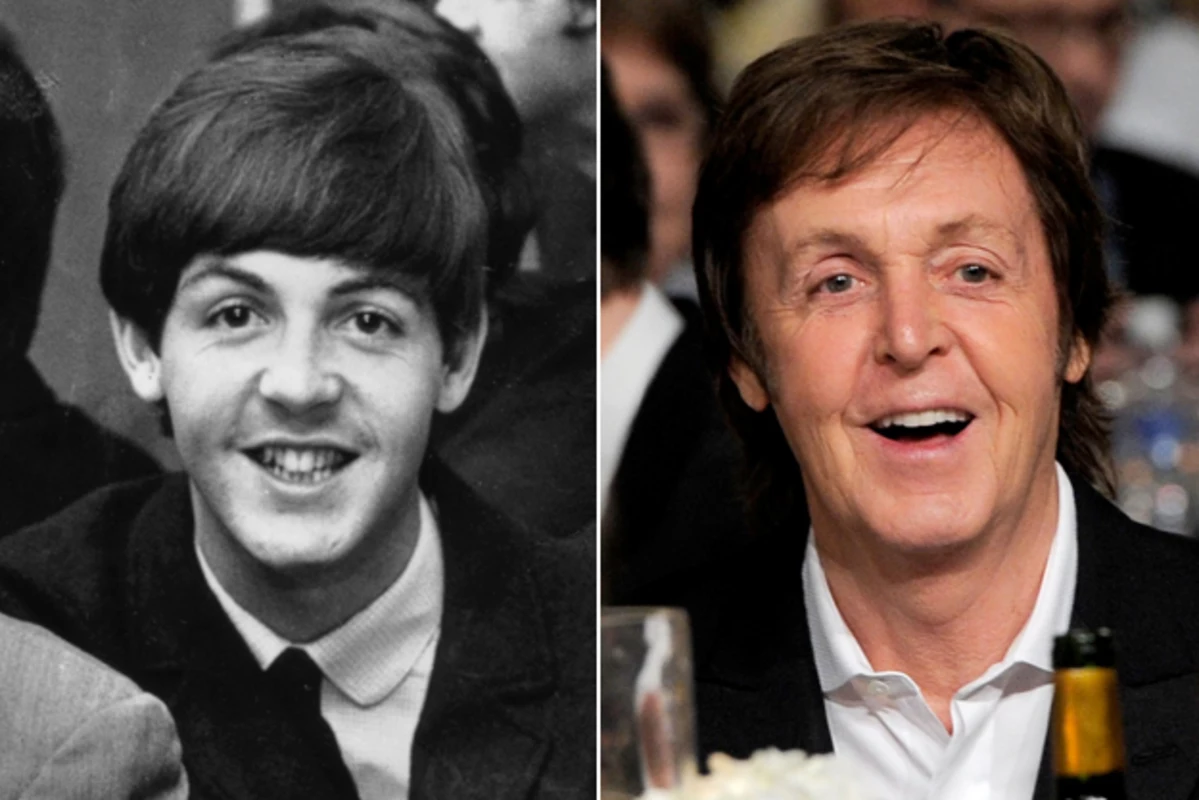
For over sixty years, the world has listened to Paul McCartney. We have hummed his basslines, analyzed his lyrics, and found the soundtracks to our lives in his melodies. But at this year’s Tribeca Festival, the spotlight is shifting away from the musician and onto the man. In a tribute that resonates with fans of all ages, McCartney is being recognized for a legacy that often goes unheard amidst the roar of the crowd: his profound commitment to social impact and humanitarian causes.

While most legends of his stature are content to let their past achievements speak for them, McCartney has consistently used his influence to act as a megaphone for the marginalized. This honor at Tribeca isn’t just for a single moment of charity, but for a lifetime of leveraging a global platform to drive change. It’s a recognition of the “quieter side” of a Beatle—the side that shows up for the planet, for animals, and for communities in crisis, often without the need for a camera crew.
From his early days advocating for vegetarianism and animal rights long before they were mainstream cultural shifts, to his support of landmine clearance and music education in underserved schools, Paul’s humanitarian work has always been a silent symphony. He has demonstrated that true power lies not in the height of one’s fame, but in the depth of one’s compassion. Whether he is performing at a benefit concert for disaster relief or quietly funding a community center in his beloved Liverpool, his actions suggest a deep belief that music is merely the bridge to a much more important destination: human connection.
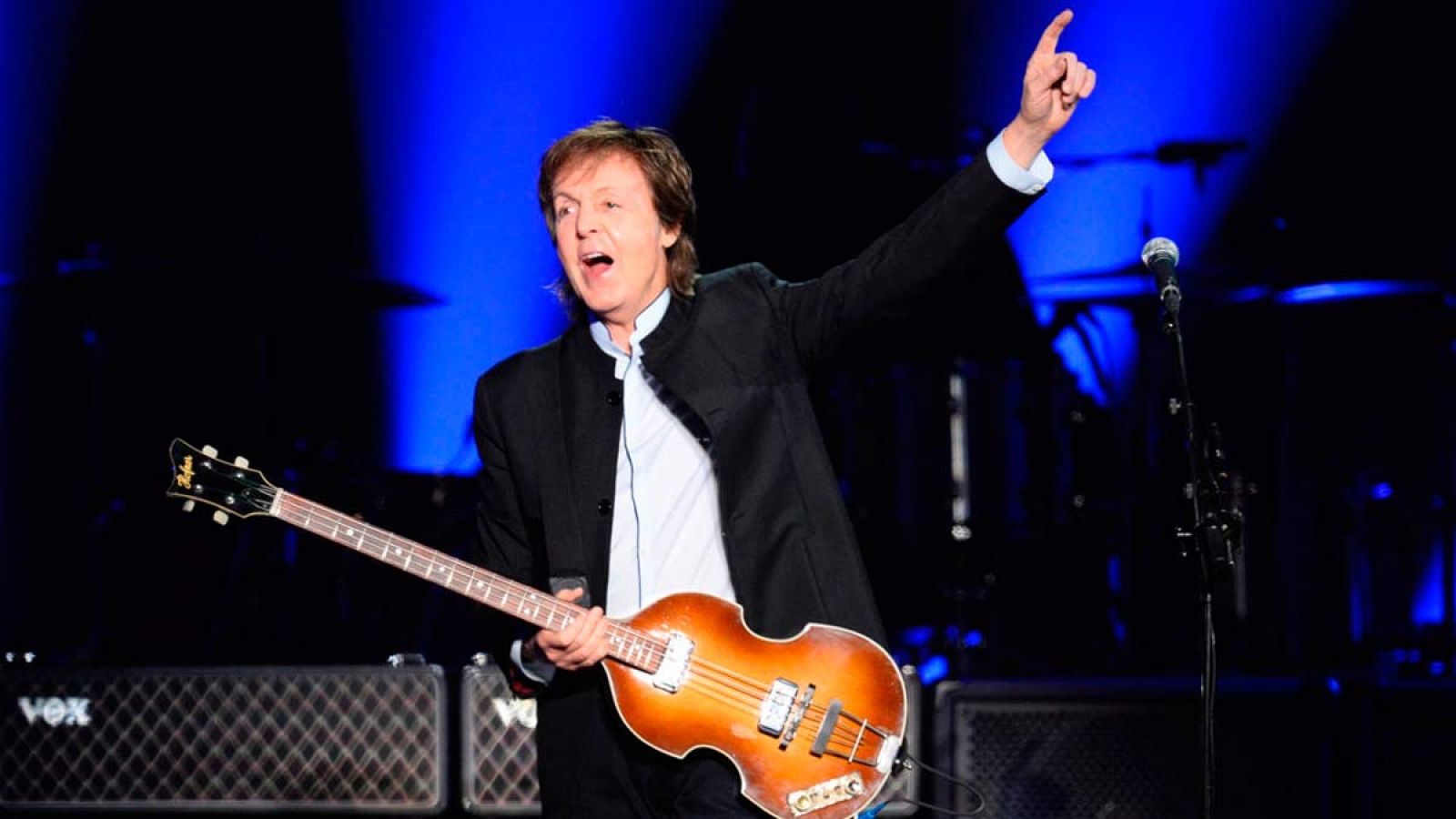
The festival’s decision to honor him highlights a shift in how we view our cultural icons. We are no longer just looking for talent; we are looking for character. Paul McCartney has provided both in spades. He has shown generations of artists that you can be the most famous person on the planet and still be a neighbor who cares about the world your grandchildren will inherit.

As he stands to be honored, fans aren’t just celebrating “Yesterday” or “Hey Jude.” They are celebrating the man who realized that a voice capable of reaching billions is a tool for transformation. In a world that often feels divided, McCartney’s work across community causes reminds us that we are all part of the same song. It is a legacy built on hope, a melody of kindness that will continue to play long after the final encore has ended.