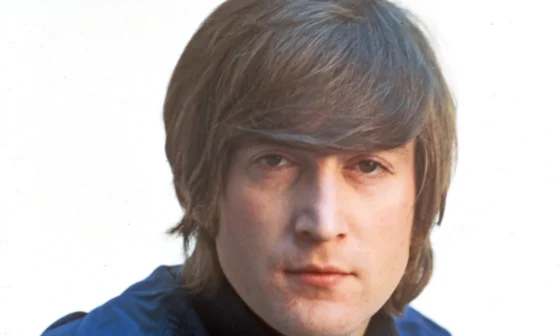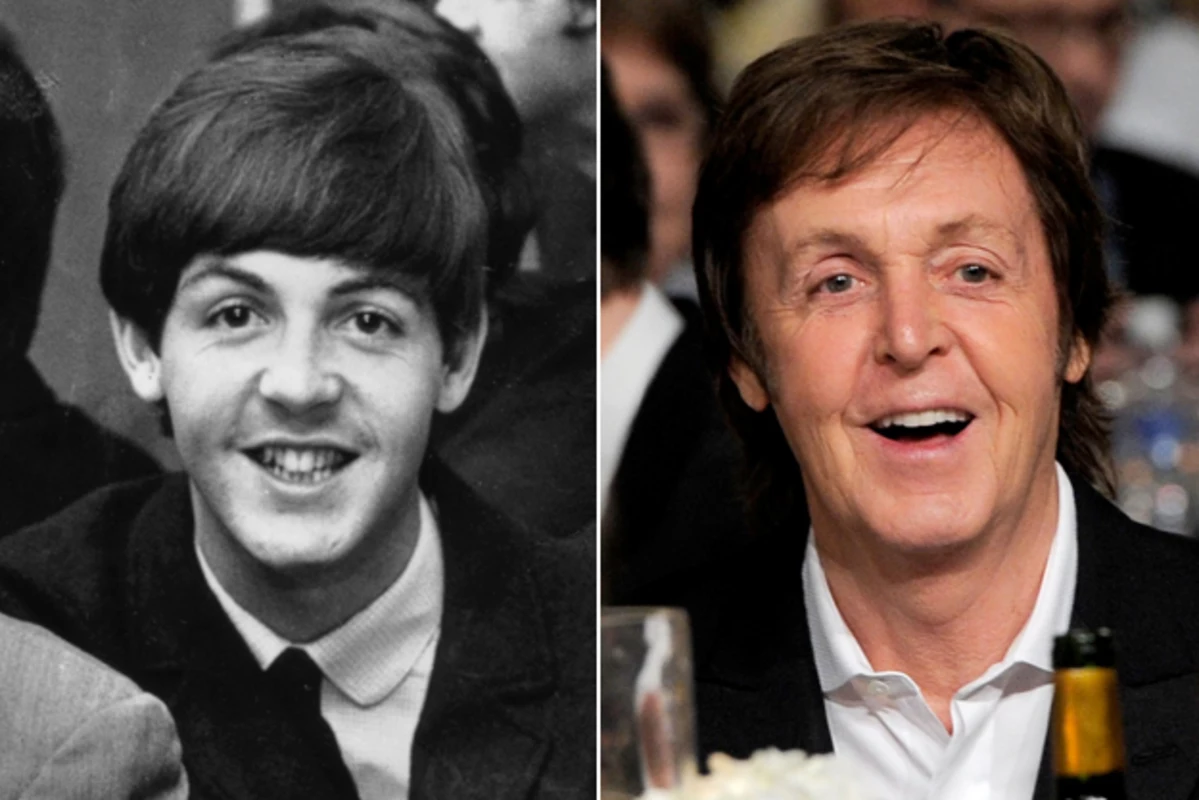
On December 8, 1980, the world lost John Lennon. News of his death spread rapidly across television and radio broadcasts, leaving millions stunned. Fans gathered outside buildings, radio stations played Beatles songs through the night, and an almost unimaginable sadness settled across the music world.
But for Paul McCartney, the loss was far more personal than the headlines could ever describe.

When reporters first approached Paul after the tragedy, many expected some profound statement — words worthy of two men whose music had changed modern culture forever. Instead, Paul appeared visibly shocked and emotionally overwhelmed. His early public reaction seemed brief and restrained, which some people initially misunderstood.
Yet grief rarely arrives in perfect sentences.
Behind the cameras was a man trying to process the sudden loss of someone who had shaped nearly every important chapter of his youth and early adulthood.

Long before the fame, before The Beatles became a global phenomenon, Paul and John were simply two young boys in Liverpool bonded by music, ambition, humor, and curiosity. They pushed each other creatively, challenged one another constantly, and together built a songwriting partnership that would become legendary.
Their relationship was never simple. Like many close friendships, it carried moments of deep connection alongside tension and disagreement. As the Beatles grew larger than anyone could have imagined, pressure surrounded every aspect of their lives. Creative conflicts, business struggles, and personal differences gradually created distance between them during the band’s later years.

Even so, the connection between John and Paul never fully disappeared.
Those close to them often spoke about the complicated affection that remained beneath the disagreements. They understood each other in ways few people could. Shared experiences from youth — especially ones lived under extraordinary circumstances — create bonds that cannot easily be replaced.
That is part of why John’s death affected Paul so deeply.

In later years, Paul would speak more openly about his grief and the difficulty of accepting the loss. Songs, interviews, and performances occasionally revealed traces of unresolved sadness, reflection, and love for the friend he had once spent countless hours writing beside.
Fans often revisit those moments because they reveal something profoundly human beneath the myth of Beatlemania. History tends to remember John Lennon and Paul McCartney as cultural icons, but moments like this remind people that they were also vulnerable individuals navigating friendship, fame, ambition, and loss in front of the entire world.
Perhaps the most heartbreaking aspect was the silence that followed the public attention. After the reporters left and the headlines faded, Paul still had to wake up each day knowing that the person who had shared the beginning of his musical journey was gone forever.
No applause, success, or fame could protect him from that reality.

Decades later, the emotional weight of that loss continues to resonate with Beatles fans because it represents something universal. Beyond the records and legendary songs was a friendship that helped shape music history — one filled with creativity, conflict, loyalty, and memories stretching back to adolescence.
And even now, many listeners still hear echoes of that connection every time a Beatles song begins to play.