In the heart of southern Italy, where ancient stone buildings rise like a memory carved into time, Matera has seen centuries of history unfold. But on this particular night, the city witnessed something more intimate — a musical moment that felt suspended between past and present.
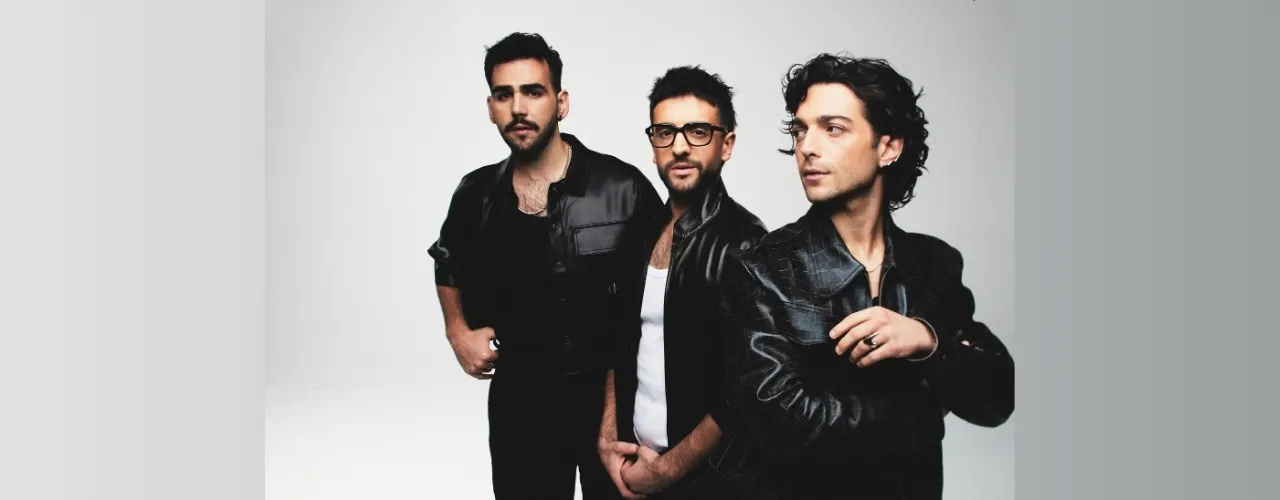
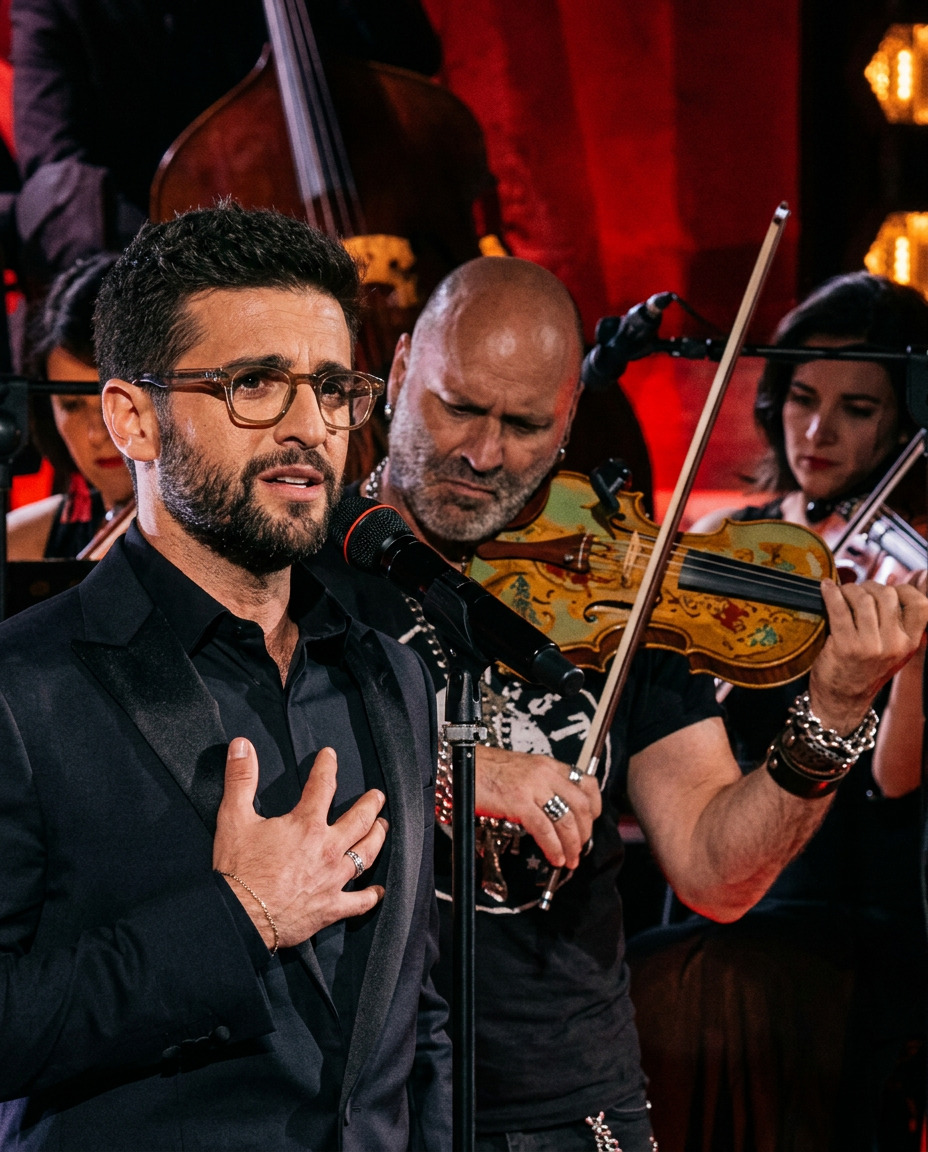
On stage was Piero Barone, performing with his group Il Volo during their anniversary concert, “Il Volo 10 Years – The Best Of.” The show was designed as a celebration of everything the trio had achieved over a decade: international tours, platinum records, and performances alongside some of the most respected names in global music, including Barbra Streisand and Plácido Domingo.
Yet in Matera — the UNESCO-listed city known for its ancient Sassi caves and dramatic atmosphere — the celebration took on a different emotional weight.
For Piero, the stage wasn’t just a platform for performance. It felt like a return to something deeper.
He has often spoken about his roots in Sicily, and on this night, that sense of origin seemed to surface in every phrase he sang. There was a rawness to the performance that contrasted with the grandeur of the production around him. The Orchestra della Magna Grecia provided a sweeping foundation, but the emotional center remained the voice at the front of the stage — clear, powerful, and deeply human.
Then came the moment no one expected.
Without announcement or introduction, violinist Alessandro Quarta stepped forward. The lights did not shift. The crowd did not react immediately. But the change was immediate in sound — a single violin line cutting through the orchestral arrangement like a second voice entering a conversation already in progress.
What followed was not just accompaniment, but dialogue.
Voice and violin moved together, sometimes echoing, sometimes challenging each other, building a tension that felt almost cinematic. The ancient stone walls of Matera seemed to absorb the sound and return it softened, as if the city itself had become part of the performance.
For many in the audience, it was no longer simply a concert. It was an experience that blurred the line between artist and environment, between music and memory.
Later, Piero reflected on the night in a brief post that quickly spread among fans. He didn’t rely on elaborate words. Instead, he shared a simple message and an expression that, according to followers, carried more emotion than any detailed explanation could offer.
Moments like this are what have defined Il Volo over the years. Beyond awards and chart success, their performances often center on emotional connection — the kind that doesn’t need translation.
In Matera, that connection felt even stronger. It wasn’t about nostalgia or spectacle. It was about presence — a reminder that music, at its most powerful, doesn’t just fill a space.
It transforms it.
And for one night in Matera, between a voice and a violin, an entire city seemed to hold its breath.