When Voice Met Violin in Matera: The Night Il Volo Turned a Decade of Success Into Pure Emotion

il volo

In the heart of southern Italy, where ancient stone buildings rise like a memory carved into time, Matera has seen centuries of history unfold. But on this particular night, the city witnessed something more intimate — a musical moment that felt suspended between past and present.

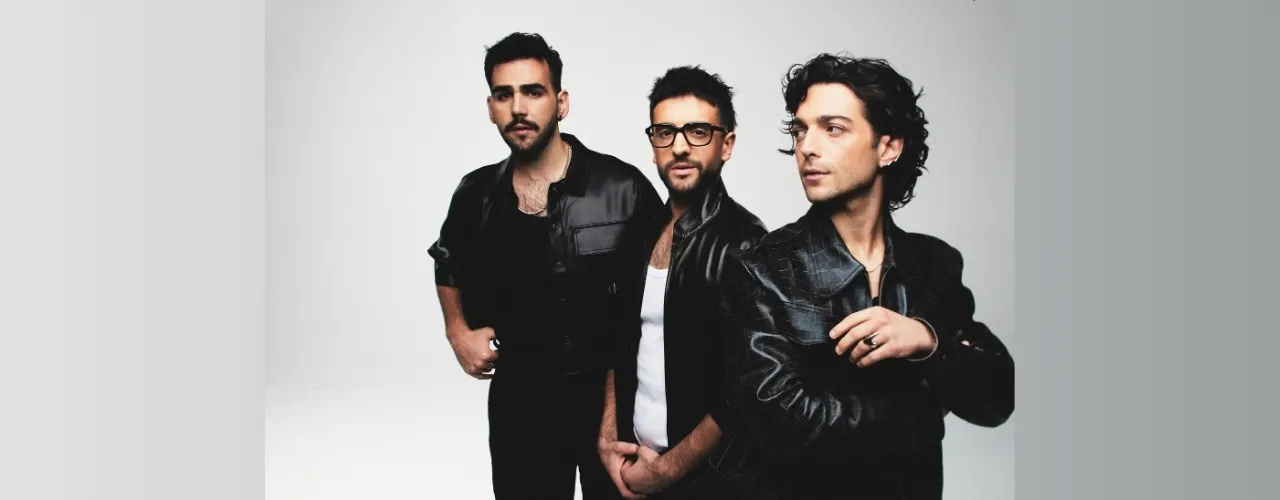
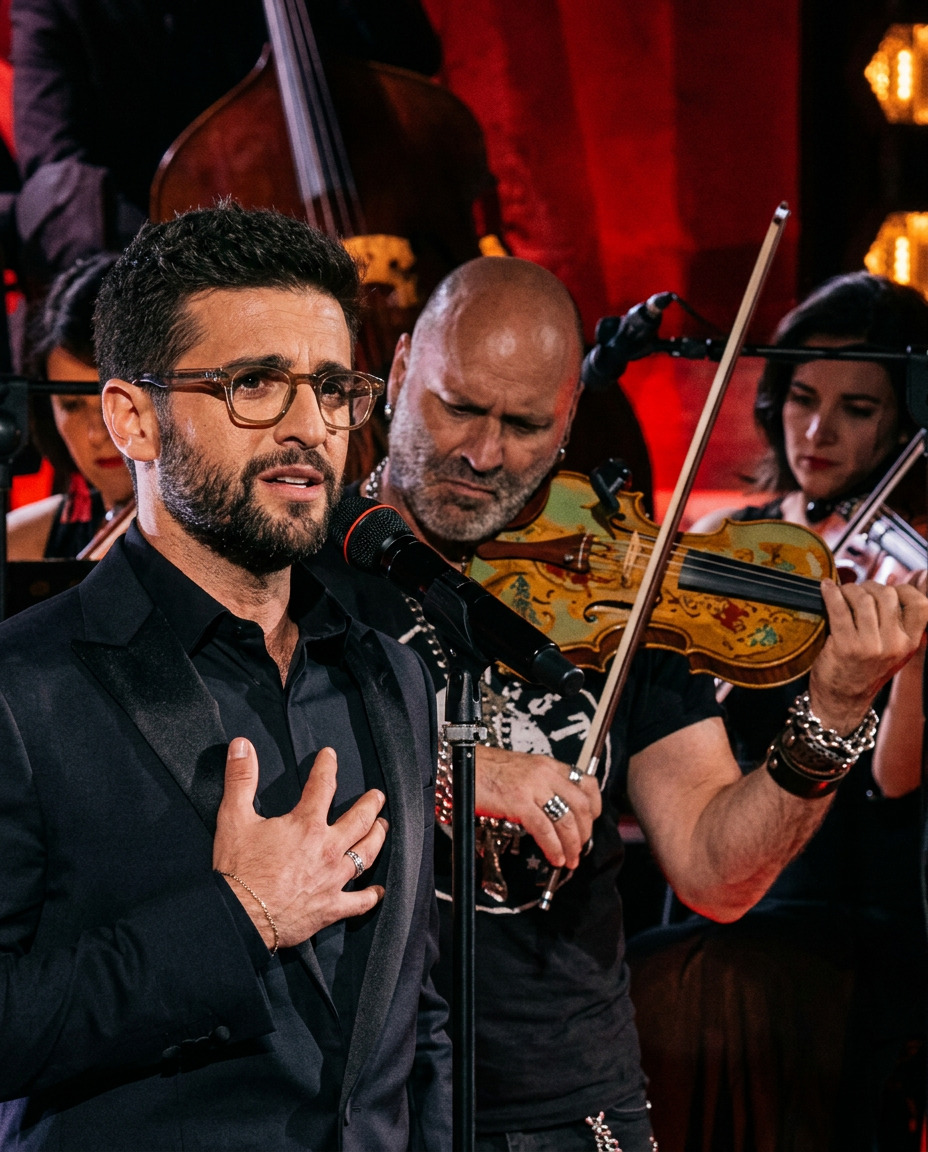
On stage was Piero Barone, performing with his group Il Volo during their anniversary concert, “Il Volo 10 Years – The Best Of.” The show was designed as a celebration of everything the trio had achieved over a decade: international tours, platinum records, and performances alongside some of the most respected names in global music, including Barbra Streisand and Plácido Domingo.

Yet in Matera — the UNESCO-listed city known for its ancient Sassi caves and dramatic atmosphere — the celebration took on a different emotional weight.

For Piero, the stage wasn’t just a platform for performance. It felt like a return to something deeper.

He has often spoken about his roots in Sicily, and on this night, that sense of origin seemed to surface in every phrase he sang. There was a rawness to the performance that contrasted with the grandeur of the production around him. The Orchestra della Magna Grecia provided a sweeping foundation, but the emotional center remained the voice at the front of the stage — clear, powerful, and deeply human.
Then came the moment no one expected.

Without announcement or introduction, violinist Alessandro Quarta stepped forward. The lights did not shift. The crowd did not react immediately. But the change was immediate in sound — a single violin line cutting through the orchestral arrangement like a second voice entering a conversation already in progress.

What followed was not just accompaniment, but dialogue.

Voice and violin moved together, sometimes echoing, sometimes challenging each other, building a tension that felt almost cinematic. The ancient stone walls of Matera seemed to absorb the sound and return it softened, as if the city itself had become part of the performance.

For many in the audience, it was no longer simply a concert. It was an experience that blurred the line between artist and environment, between music and memory.

Later, Piero reflected on the night in a brief post that quickly spread among fans. He didn’t rely on elaborate words. Instead, he shared a simple message and an expression that, according to followers, carried more emotion than any detailed explanation could offer.

Moments like this are what have defined Il Volo over the years. Beyond awards and chart success, their performances often center on emotional connection — the kind that doesn’t need translation.

In Matera, that connection felt even stronger. It wasn’t about nostalgia or spectacle. It was about presence — a reminder that music, at its most powerful, doesn’t just fill a space.

It transforms it.

And for one night in Matera, between a voice and a violin, an entire city seemed to hold its breath.

0 Shares:
Leave a Reply

Your email address will not be published. Required fields are marked *

You May Also Like
Stephen Wilson
Read More

Stephen Wilson Jr. didn’t just perform at the 2025 CMAs—he tore the whole room open and put it back together again. His haunting version of “Stand By Me” felt less like a song and more like a storm rolling through the arena. One spotlight. One trembling voice. And suddenly the entire crowd was frozen, hanging on every note as he poured years of pain, love, memories, and unanswered questions into the air. By the time he clutched a rosary at the end, it stopped being a performance altogether. It became a prayer. A confession. A son talking to his father the only way he still knows how. What started in quiet living rooms—him singing through tears, trying to make sense of the grief—had now become a hymn echoing across Nashville’s biggest stage.

Sometimes, one voice and one spotlight is all it takes to shake an entire arena. Stephen Wilson Jr.…
Bob dylan
Read More

“WHEN MY VOICE FADES, HERS WILL CARRY IT ON.” Those words echoed in the hush of the venue just before Bob Dylan stepped into a moment few expected — and no one will ever forget. After decades of mystery and silence, Dylan appeared on stage in Chicago, but not in the way we’re used to seeing him. There, beside him, stood his granddaughter. He didn’t speak. He nodded. He handed her the microphone. And in that instant, the spotlight shifted. She began singing “Forever Young.” Her voice trembled—soft, unsteady at first—but filled with something sacred. The audience leaned in. Thousands watched. Millions would eventually see the video online. It was raw and real: the past and future holding hands through melody. Wordlessly, Dylan stepped back, letting the torch be handed. The crowd wasn’t cheering by the final verse—they were silent, still, tears in their eyes, hearts wide open. It wasn’t simply a performance. It was a legacy being passed from one soul to the next—a man whose songs defined generations, trusting the next to carry the weight and wonder. That night they weren’t just listeners: they were witnesses to music’s continuity, to tradition becoming tomorrow. In an era of fleeting hits and evergreen recycling, this moment reminded us that true artistry lives in the line between yesterday and tomorrow. Dylan’s voice may someday fade—but that night showed us that when it does, hers will carry it on. 🎥 Watch the performance here: YouTube clip: “Bob Dylan & Granddaughter – Forever Young (Live)”

“WHEN MY VOICE FADES, HERS WILL CARRY IT ON.” Those words echoed in the hush of the venue…
jelly
Read More

“MILLIONS WERE WATCHING, BUT JELLY ROLL WAS TALKING TO GOD.” Jelly Roll stood on the Grammy stage with shaking hands and wet eyes. He didn’t sound like a winner. He sounded like someone who had survived himself. His voice cracked as he said Jesus doesn’t belong to parties or labels. He belongs to the lost. The words hung in the bright lights, heavier than the trophy. He spoke about a prison radio, a Bible, and nights when hope felt illegal. You could almost see those old walls behind him as he whispered, “I love you, Lord.” Tattoos, tears, and a quiet pause between breaths. It felt less like a speech and more like a confession. Some stories don’t start on stages. They start in the dark. And this one still has pages left.

“Jesus Is For Everybody” — When Jelly Roll’s Tears Turned the Grammys Into Holy Ground No one could…