When Britney Spears released “Everytime” in 2004, few could have predicted that the gentle piano ballad would become one of the most analyzed songs of her career. Arriving during a period of intense media scrutiny, the track quickly attracted attention not only for its melody but also for the emotions many listeners believed were hidden within its lyrics.
At the time, Spears was one of the most talked-about celebrities in the world. Her highly publicized relationship and subsequent breakup with Justin Timberlake had become a constant subject of headlines, interviews, and public speculation. As a result, nearly every artistic release connected to either performer was viewed through the lens of that relationship.
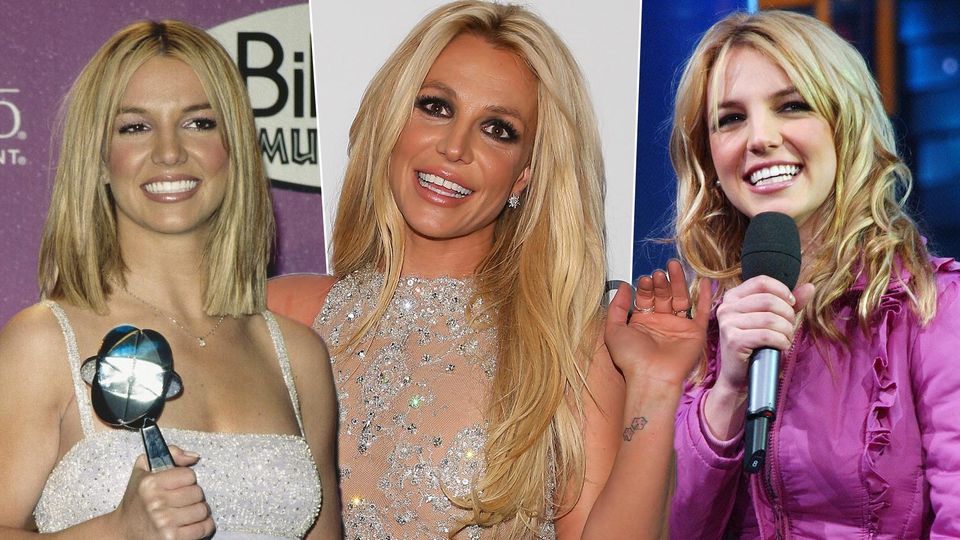
“Everytime” stood apart from many of Spears’ previous singles. Instead of energetic dance production, the song featured a simple piano arrangement and a vulnerable vocal performance. The understated style immediately captured listeners’ attention and allowed the lyrics to take center stage.
As the song climbed the charts, fans began carefully examining each line. Online discussions, magazine articles, and fan communities debated whether the track was inspired by personal experiences and whether it reflected emotions connected to the end of her relationship with Timberlake. While interpretations varied widely, the speculation itself became part of the song’s legacy.
What made “Everytime” particularly compelling was its openness. Rather than presenting a clear narrative, the lyrics left room for listeners to project their own experiences onto the music. Themes of regret, misunderstanding, longing, and emotional vulnerability resonated with audiences regardless of how they interpreted the song’s origins.
The music video further contributed to public fascination. Its emotional imagery and reflective tone encouraged deeper analysis, leading many viewers to search for additional meaning behind the visual storytelling. Combined with the media attention surrounding Spears at the time, the song became a focal point for conversations about celebrity relationships and public perception.

More than twenty years later, “Everytime” continues to occupy a unique place in Britney Spears’ catalog. While many of her biggest hits are remembered for their cultural impact and chart success, this ballad is often celebrated for its emotional sincerity and timeless appeal.
The enduring interest surrounding the song demonstrates how music can evolve beyond its original release. Whether listeners view it as a personal statement, a universal reflection on heartbreak, or simply a beautifully crafted ballad, “Everytime” remains a song that invites interpretation and emotional connection.

For many fans, that lingering sense of mystery is precisely what keeps the song relevant. Decades after its release, listeners are still discussing its meaning, revisiting its lyrics, and discovering new perspectives within its quiet, haunting melody.