
When most people think of the Royal Albert Hall, they picture a packed audience, thunderous applause, and unforgettable concerts unfolding beneath one of the world’s most famous domes. But Anna Lapwood’s Midnight Sessions invites listeners into an entirely different version of the iconic venue—one that exists long after the crowds have gone home.
Recorded late at night, the EP embraces the unique atmosphere that only an empty concert hall can provide. Without the familiar sounds of an audience, every note has room to breathe. The silence becomes part of the performance itself, allowing the music to unfold with a remarkable sense of intimacy that many listeners find deeply moving.
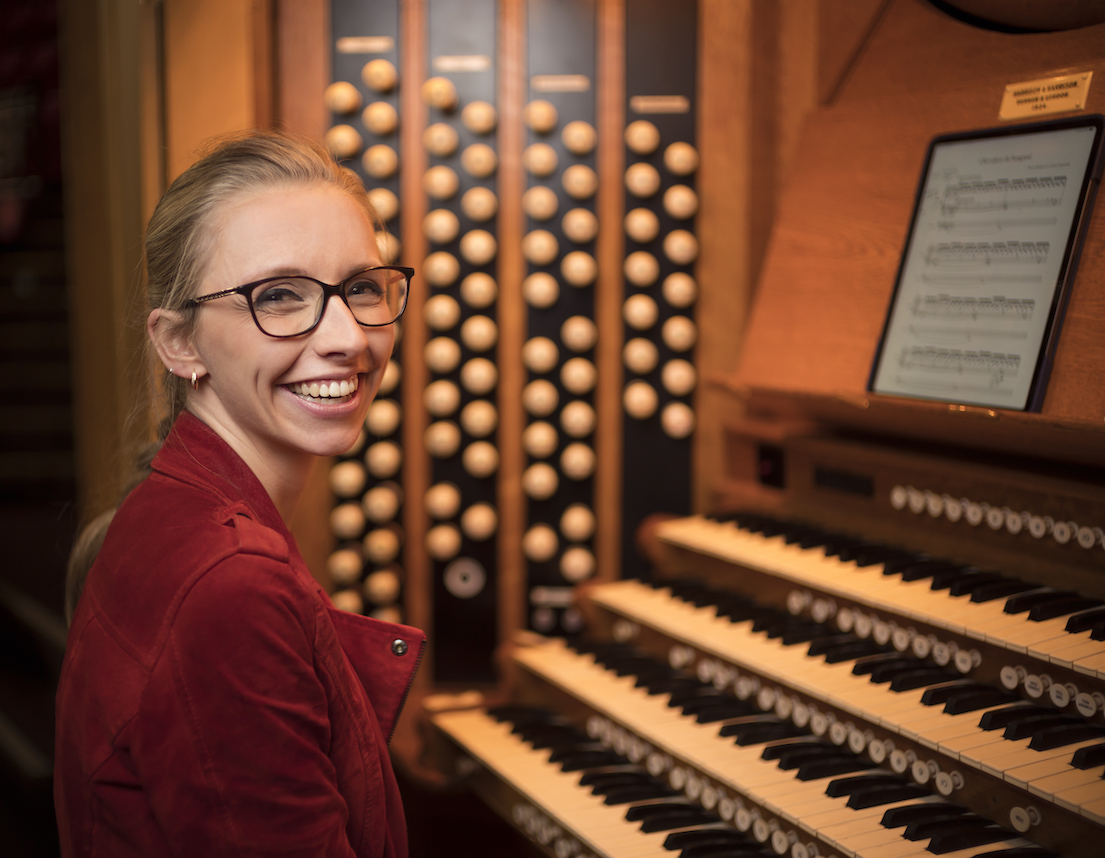
For Lapwood, whose performances have introduced countless people to the expressive power of the pipe organ, the setting is every bit as important as the instrument. The Royal Albert Hall’s celebrated organ has long been admired for its immense range and character, capable of producing everything from the gentlest whisper to waves of sound that fill the vast auditorium. In an empty hall, those qualities become even more apparent, as each tone lingers naturally before fading into the building’s rich acoustics.
That distinctive atmosphere has become one of the defining features of Midnight Sessions. Rather than presenting music with dramatic flourish from the opening bar, Lapwood allows each phrase to develop patiently. The result is a recording that feels remarkably personal, as though the performance is taking place for a single listener rather than thousands.
Many who have discovered the EP say this is what makes it so memorable. There is a sense of closeness that can be difficult to capture in studio recordings, where every detail is often polished to perfection. Here, the natural resonance of the hall remains part of the experience, giving the music warmth, depth, and an unmistakable feeling of authenticity.

Listeners have pointed to one particular quality that continues to stand out. As the music unfolds, the combination of the organ’s rich tones and the hall’s spacious acoustics creates such an immersive soundscape that it becomes easy to forget the performance was recorded at all. Instead, many describe feeling as though they are sitting alone inside the Royal Albert Hall, hearing every note exactly as it echoes through the empty space.
That reaction speaks to Lapwood’s broader approach as a musician. Throughout her career, she has sought to make the pipe organ feel welcoming and relevant to modern audiences, introducing the instrument through both classical masterworks and contemporary repertoire. Her performances often balance technical brilliance with emotional openness, inviting listeners to connect with the music regardless of their musical background.
Midnight Sessions reflects that philosophy beautifully. Rather than relying on spectacle, it finds its greatest strength in simplicity, atmosphere, and careful interpretation. The quiet moments are allowed to remain quiet, making the crescendos all the more powerful when they finally arrive.
In the end, the recording offers something increasingly rare in today’s fast-paced world: the opportunity to pause and simply listen. By transforming one of the world’s grandest concert halls into a space that feels surprisingly intimate, Anna Lapwood reminds us that music does not always need a full audience to make a lasting impression. Sometimes, all it takes is a quiet room, a remarkable instrument, and the feeling that, for a few unforgettable minutes, the performance is meant for you alone.