Every musician remembers certain words that stay with them long after a lesson ends. Sometimes they are words of encouragement. Other times, they become unexpected challenges that shape an entire career. For acclaimed organist Anna Lapwood, one of those moments came early in her musical journey, when she was told to “play more like a man.”
Years later, Lapwood revisited that experience during a conversation with Princess Anne, sharing how a brief comment remained with her over the years. Rather than telling the story with bitterness, she reflected on it with honesty, using it as an opportunity to discuss how expectations within the classical music world have evolved—and why authenticity matters more than ever.

At the time, the remark could easily have become a source of self-doubt. Young musicians often receive countless opinions about how they should perform, present themselves, or fit into established traditions. Comments delivered in a teaching environment can linger for years, especially when they touch on identity rather than musical interpretation.
For Lapwood, however, the experience became part of a much larger journey. Instead of trying to imitate someone else’s style simply to meet an expectation, she continued developing her own musical voice. As her career progressed, that individuality became one of her greatest strengths.
Today, Lapwood is recognized not only for her exceptional performances on the pipe organ but also for introducing the instrument to entirely new audiences. Through concerts, recordings, educational work, and social media, she has helped countless people discover the expressive possibilities of an instrument many had previously associated only with traditional church music.
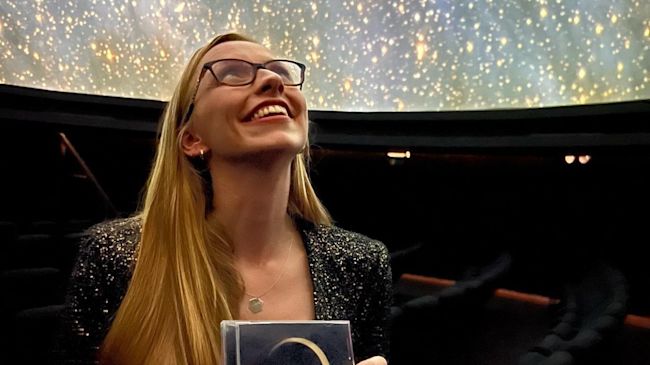
Her growing audience appreciates more than technical excellence. Many are drawn to the warmth and openness she brings to her performances, along with her willingness to speak candidly about both successes and challenges. Stories like this one resonate because they reveal that even accomplished musicians have faced moments of discouragement.
The conversation with Princess Anne highlighted that broader message. Rather than focusing solely on the criticism itself, Lapwood emphasized what came afterward: the decision not to let someone else’s expectations determine the kind of musician she would become. It was a reminder that meaningful artistic expression comes from honesty, curiosity, and confidence rather than conformity.
That perspective has inspired many listeners beyond the world of classical music. Whether in education, creative careers, or everyday life, countless people have experienced moments when they were told they should change fundamental parts of themselves to succeed. Lapwood’s story offers a different perspective—that lasting success often comes from refining your own strengths instead of abandoning them.

Her journey also reflects changing attitudes within classical music, a field that continues to welcome broader voices and experiences. Musicians today are increasingly encouraged to celebrate individuality while respecting tradition, creating space for new interpretations and fresh connections with audiences around the world.
Looking back, those five words remain part of Anna Lapwood’s story—but they no longer define it. Instead, they serve as a reminder of how far she has come and of the confidence she built by remaining true to herself. In sharing that experience so openly, she has given others permission to do the same, proving that the most powerful response to criticism is not always proving someone wrong, but quietly becoming the person you were always meant to be.